.webp?width=91&height=70&name=MCDLG%20Logo%20(Resize).webp)
How much does it cost to have a leaky damper? The best damper may cost more, but the bill for skipping requirements will add up over time. Learn more about these costs on the Newsstand.
You are reviewing an upcoming project for ways to cut down on costs. The project calls for several control dampers for the HVAC system, but maybe you can get away with a cheaper option.
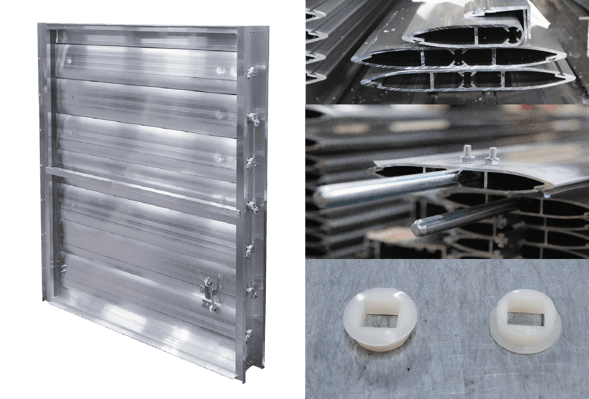
Now, let's say you track down dampers that can do the trick for the most part. The dampers work, but they don’t meet all the requirements.
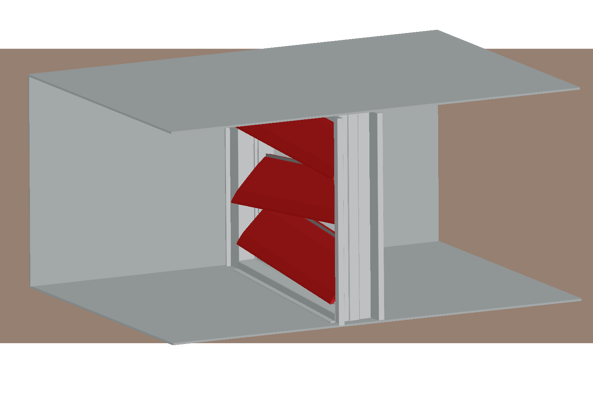
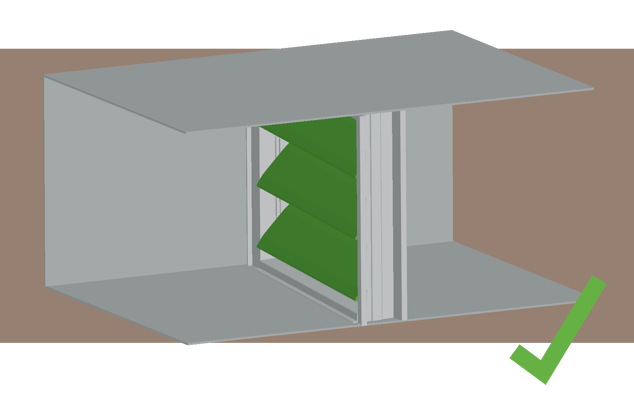
These dampers take longer to close, because they are slightly overloaded in this part of the ductwork. This is becase the dampers you chose have a lower maximum static pressure. It’s not a big difference. Maybe it will be fine. They just need something to open and close the ducts, right?
The Performance Cost
What is happening here? It seems clear in this example, but it might not be as obvious in the field. These dampers don’t meet the static pressure requirement here, which means they struggle to close in this environment. First, this issue creates inefficiency in the system. Air will continue to move through the damper as it tries to reach the fully closed position.
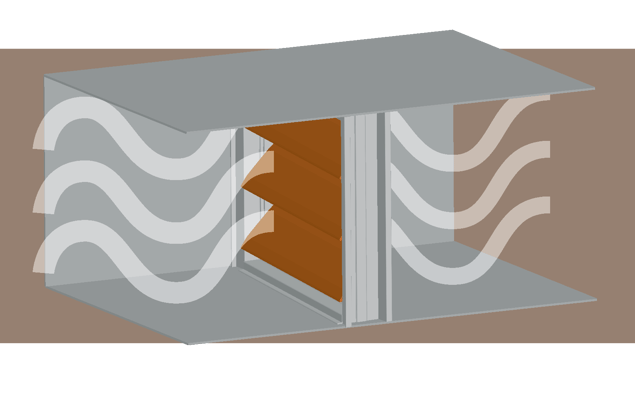
It may seem minor, but that can add up over the course of a day, a week, a month, and so on. Multiply that by every damper with the same issue, and you have major inefficiencies plaguing your HVAC system.
These not only cost more in energy – to compensate for the airflow issues – they can also wear down other equipment in your system. This leads us to a more important issue.
The Maintenance Cost
The second issue involves damper failure. These dampers may open and close now, but the strain endured comes with a cost. Damper components are more prone to failure when the damper operates outside of its maximums.
Each closing action will put additional strain on the damper, putting unnecessary wear on each component and raising the chances of failure. It should go without saying: a failed damper is highly inefficient.
The best way to avoid these costs is to start with the right choice. Choose dampers that can operate within the intended application. Check the damper’s stats to make sure they can work for your project. If the damper doesn’t make the cut, even by a small amount, then don’t use it for your project.
Dampers should have no trouble opening and closing your HVAC system. Remember, requirements come first.
For more on air control dampers, check out these Newsstand articles:
- The Condenser - Remember Damper Maintenance
- Selecting Dampers for Office Building HVAC
- Five Types of Dampers in HVAC and When to Use Them
- Five Things to Know When Selecting Dampers