.webp?width=91&height=70&name=MCDLG%20Logo%20(Resize).webp)
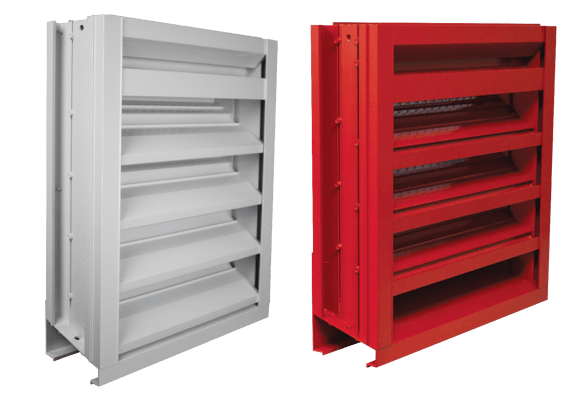
Louvers are versatile, but their main purpose is protection. When choosing a louver, you will be looking to protect a ventilation opening. In this article, we will discuss louver protection, what it means, and how to choose the best louver to protect your openings.
Why Louvers?
Water can damage and destroy HVAC components, like intake fans or ductwork. These components will corrode over time, if left unprotected.
Water damage will reduce indoor air quality as well. Moisture provides a place for mold to grow. You don’t want mold anywhere in your HVAC system, and especially not at an air intake point. This is why you need adequate protection at the start and end points of your HVAC system. Louvers provide that protection.
What is Louver Protection?
“Louver protection” is rainfall rejection. Louvers protect ventilation openings from rain. The term "louver protection" can refer to the individual features that deflect and reject incoming water, or it can refer to the tests that measure its rejection capabilities. The goal of louver protection is preventing water damage.
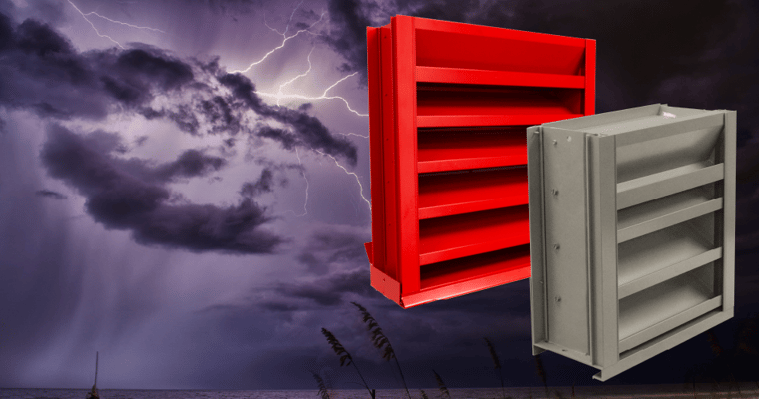
In the HVAC industry, we often look at the tests, the ratings, and the test data to determine a louver’s capabilities. If you are looking at two drainable louvers, then the louver that completed wind driven rain testing will provide better protection.
Of course, you should always review the test data before selecting louvers.
It is still important to understand the louver’s features. Understanding these features can help you make sense of the test results.
Blade Angle
Louver blades have a predetermined angle. This angle helps the blades deflect incoming rain, while allowing air through the louver’s free area. The angle will change from louver to louver. At MCDLG, our stationary louvers maintain a blade angle between 30 degrees and 47 degrees.
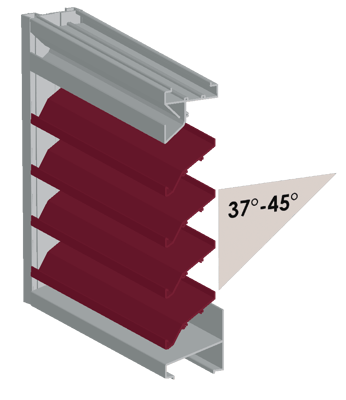
This range is common for most manufacturers. Generally, a lower blade angle makes a steeper incline on the blade, which generally translates to better water rejection.
A steeper incline can also translate to greater pressure drop, which lowers the louver’s air performance. This isn’t always the case. The louver’s submittal will have the complete details on the unit’s performance.
Blade Catches
Some louvers will have blades with catches along the profile. These catches look like hooks when viewed from the profile. Each catch runs the full length of the blade and capture rainwater carried into the louver. When air passes through the louver, it will also pass over the blade catches along the profile.
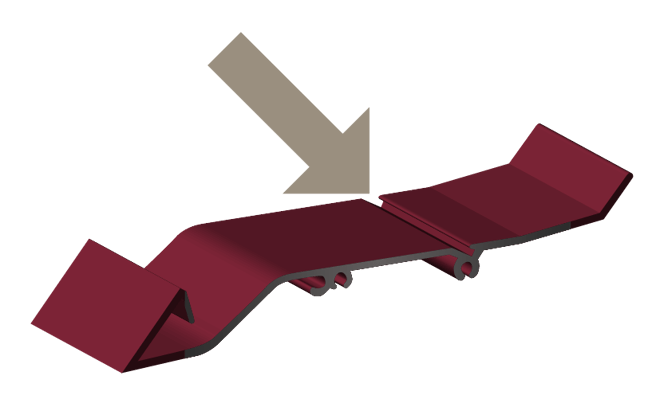 Water in the airstream will collect inside the catch. Blade catches are often tied to drain channels in the jambs of the louver, which direct rainfall to the louver’s sill. These catches can affect airflow, since they act as obstructions along the blade’s profile.
Check the louver’s submittal for performance data. This is the best way to determine the louver’s air performance.
Drain Troughs
Drainable louvers will have drain troughs along the face of each blade. These troughs collect the water deflected by the blades and direct it to the drain channels in the jambs. In a non-drainable louver, the water will roll off the blades and out of the louver.
In heavy rain, the water from the top of the louver collects with water from lower sections before it can leave the louver. Think about air passing through a waterfall. The air will push the water into the louver.
Drainable troughs prevent this by channeling the water to channels in the jambs. The water can only collect in each individual blade trough. It cannot collect into a stream further down the louver.
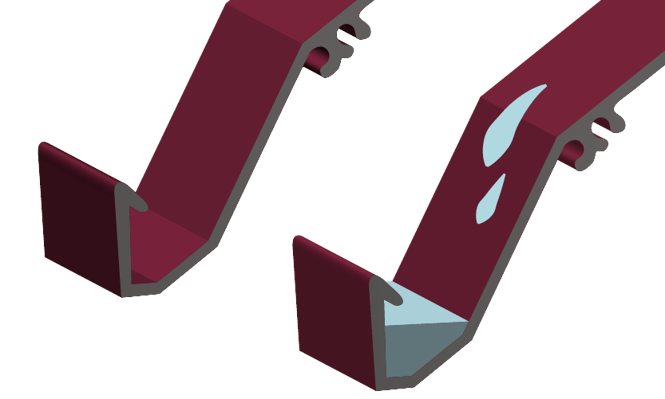 The drain channels lead down to the sill. Louver sills slope down towards the face of the louver, directing water out of the louver's face. Think of the sill as a slide. The drain water "slides" out of the louver. Like blade catches, drain troughs affect air performance.
The submittal will provide information on air flow, to help you determine if it works for your project.
Drain Pan
Drain pans are an accessory for most louvers and a standard feature for severe weather louvers and hurricane louvers. The drain pan is a metal pan that sits underneath the louver’s sill. The pan will have a raised flange along the back that covers the spaces behind the last louver blade and the sill.
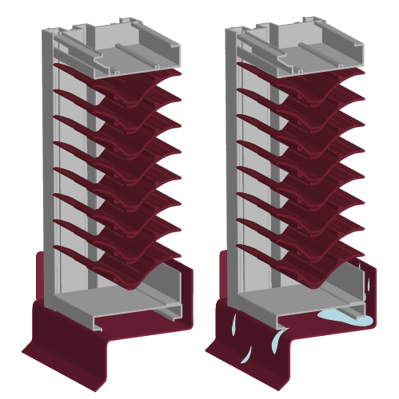
This prevents backsplashes through the louver’s sill. During a severe weather event, rain can quickly accumulate at the sill as it drains from the louver. The drain pan ensures that none of this water makes it through the louver.
A drain pan will not affect the louver’s air performance. You will need to account for the pan when installing the louver.
Tests
There are two tests that measure a louver’s ability to protect against rain. Water penetration testing and wind driven rain testing. Each test measures a different aspect of louver protection:
- Water penetration tests measure intake air speed, under still air conditions, when water penetrates the louver.
- Wind driven rain tests measure water rejection when wind blows at the louver during a storm.
We covered these two tests in separate blogs, but each provides a different picture. Water penetration testing provides a beginning point of water penetration. If air velocity exceeds this point, then you can expect water infiltration. Wind driven rain testing provides a classification based on how much water was rejected during the test.
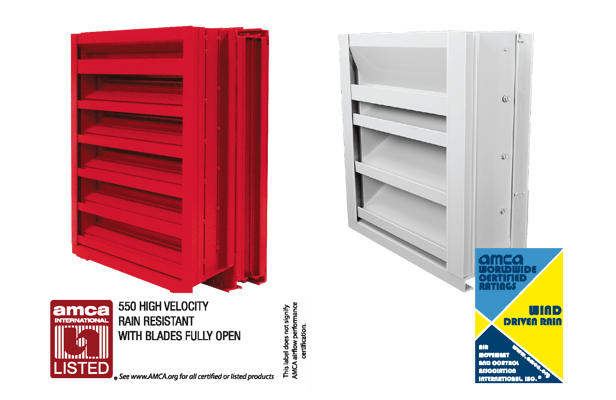
A louver can receive both tests to provide a full picture of the louver’s capabilities. Most severe weather louvers will receive both tests. Hurricane louvers will receive additional tests under AMCA 540 and 550.
Check the Submittal
These tests provide hard data on how the louver will perform in the field. The louver’s traits can help you narrow down your search, but the louver’s submittal will provide the data.
Always check the louver’s submittal when selecting louvers for your project. Make sure they provide the right protection.
For more on louver protection, check out these other Newsstand articles: