.webp?width=91&height=70&name=MCDLG%20Logo%20(Resize).webp)
Expecting a pressure issue in your HVAC system? Or maybe there is a cold spot in your building that won’t go away. Pressure issues waste power and increase costs. A modulating actuator might be what you need.
Balancing dampers alleviate issues caused by air pressure, such as unexplained drafts or cold and warm spots in a particular room. However, they aren’t the only solution out there. If you have a control damper in the area, then consider replacing its actuator with a modulating actuator.
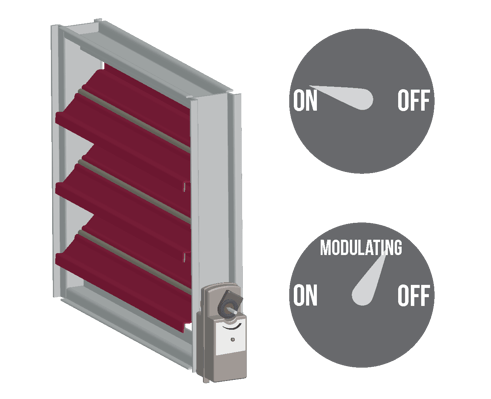
Modulating actuators hold blade positions between fully open and fully closed. As you know, most actuators are “on-off” or two position capable. That means that the standard actuator will fully open the damper or close it. These actuators cannot hold in-between states.
A modulating actuator can hold any blade position you need. Depending on the model, you can set the actuator to hold multiple blade positions between open and closed. You can set these blade angles during installation by setting the blades to the right angle and adjusting the actuator.
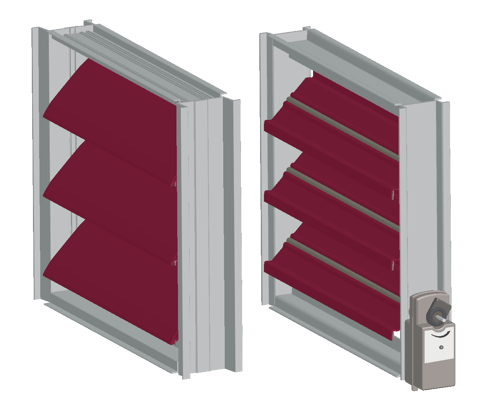
The actuator manufacturer will have a complete guide on setting the actuator. Once setup is complete, the actuator will automatically shift between the preconfigured states.
You will need to measure air pressure in the affected rooms while setting up the actuator, like you would with a balancing damper. Once you achieve the right balance, you will set the actuator to match that position.
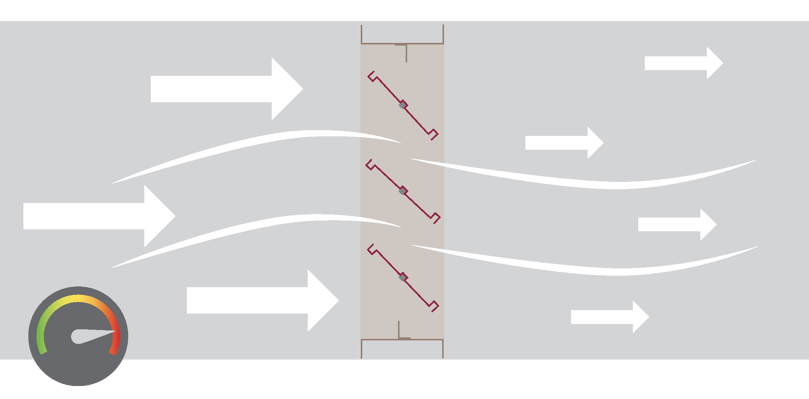
By holding the middle state, the damper’s blades will reduce air pressure like a balancing damper. The actuator will keep the damper’s blades at the preset blade angle. This will reduce the amount of dynamic pressure in the duct and help alleviate any issues with airflow.
If you have a control damper in the area, then consider adding a modulating actuator to the damper. This can save you money on purchasing and installing a new balancing damper. You can also reduce energy waste by simply swapping to a modulating actuator. Balanced airflow is efficient airflow.
If there isn’t a control damper nearby, then you may want a balancing damper instead.
Keep air moving efficiently. If you have a pressure issue in your building, consider your options. A modulating actuator can save you money by turning your control damper into a two-in-one unit.
For more on HVAC dampers, check out these Newsstand articles:
- Damper Blade Mechanics
- Duct Dampers - Choosing, Sizing, and Installing for Duct Work
- The Condenser - Frame Depth for Louvers and Dampers
- Understanding Your Dampers - Important Factors for Damper Installation