.webp?width=91&height=70&name=MCDLG%20Logo%20(Resize).webp)

Dampers will be part of your building’s specifications. Learn where they go in your specs with the MCDLG Newsstand.
Every successful project starts with a plan. In construction, the specifications are the outline of the plan. Specification documents contain everything that will go in the finished building, from the labor to the requirements and standards, and to the materials. This will include the dampers used for the HVAC system.
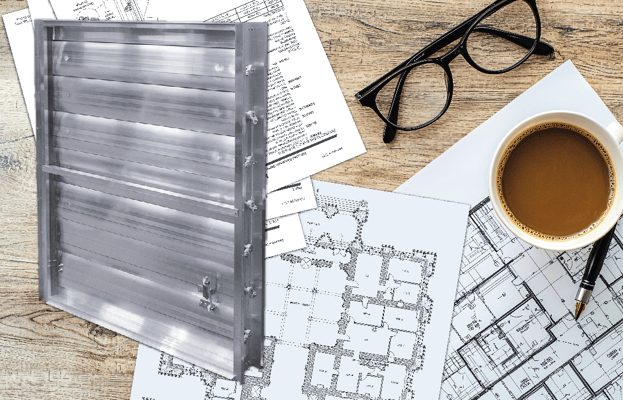
Specifications are huge documents. Each part of the specification has a six-digit number, based on the Master Format numbering system. This number is divided into three separate two-digit numbers, which correspond with a division, section, or subsection of the document.
This makes it easier for contractors to navigate the spec. For example, you would navigate to division 23 to find details on the building’s HVAC system. Division 23 will include sections for everything involving the building’s HVAC system.
For dampers, you will go to section 33 for “Air Duct Accessories” and then subsection 13 for individual damper types. This is where things might get confusing. Most numbers end at the subsection. In our article on louver specifications, we note that louvers have subsections for motorized wall louvers, operable wall louvers, fixed louvers, and door louvers.
There are other types of louvers, like wind driven rain louvers, but those are listed under one of the individual subsections. A wind driven rain louver with fixed blades will be listed under subsection 19 for fixed louvers.
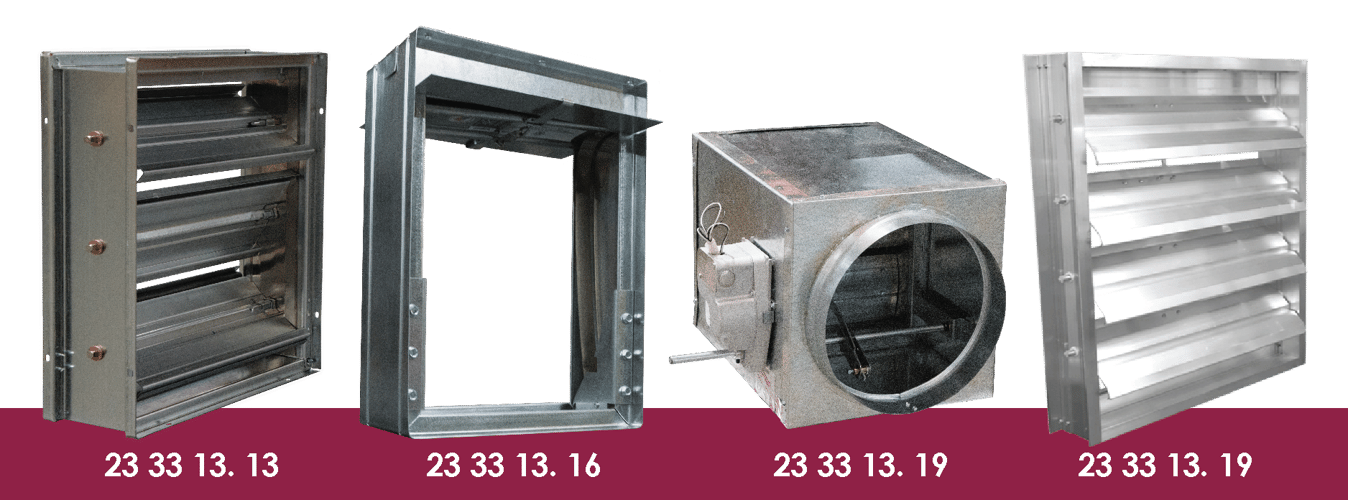
Dampers will have an additional number on the subsection to indicate the type of damper. Below are the full division numbers for dampers in the Master Format:
- Volume-Control Dampers: 23 33 13.13
- Fire Dampers: 23 33 13.16
- Smoke-Control Dampers: 23 33 13.19
- Backdraft Dampers: 23 33 13.23
Notice the number added to the subsection. This indicates a further division beyond the subsection. “Dampers” is a broad term. As you know, there are several types of dampers, and each type has a unique role in the HVAC system. Some damper types are lumped into the volume control damper subsection, like balancing dampers and industrial dampers. It is important to distinguish between volume control dampers and smoke control dampers.
Each subsection is dedicated to that product category. For dampers, this will include details like the damper’s construction and the standards used to test the damper. The subsection will include every important detail about the damper, including any relevant documentation.
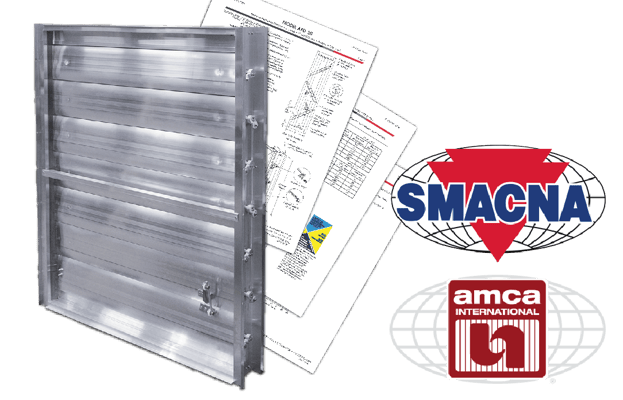
In a sense, each damper subsection acts as a specification for every damper listed. That is why many in the industry refer to the individual subsections as “specifications”. And that is also why will refer to them as “damper specifications” going forward.
Each damper specification will be split into three parts: general information, part information, and execution.
Part one of a damper specification includes:
- References to standards for building and testing the listed dampers, like AMCA 500-D and SMACNA’s Architectural Sheet Metal Manual.
- Documentation on each damper included in the spec, such as the product submittal and any drawings of the damper.
- Definitions of terms used throughout the document.
- Quality assurance protocols followed when building each damper in the subsection.
- General guidelines for delivering the dampers to the construction site, as well as storing them, and handling them before installation.
Part one is the introduction to the rest of the document. It outlines all the important information and documentation for the dampers listed in part two of the spec. It also provides some pre-installation guidelines for storing the dampers and keeping them safe. Manufacturers will include these guidelines in their installation instructions, providing additional details where necessary.
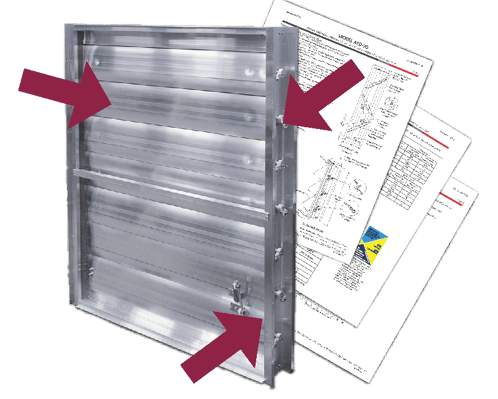
Part two will include a list of the individual dampers and important information about their design:
- Details of the damper manufacturer, including their contact information.
- Performance requirements for the listed products.
- A comprehensive list of every damper involved in the project, including construction and performance details for each damper.
- This also includes test data, like pressure drop, and operational maximums, such as maximum intake velocity.
- A list of any accessories included with the dampers, like actuators and duct transition collars.
Part two is typically the longest section of the damper spec. It details every damper in that specific subsection, right down to the material used for each damper component. The details listed in part two should match those given on the damper’s submittal.
The specification should catalog every detail of every product and material used in the building. These details help builders understand the individual parts of the building. The full specification document paints a complete picture of the building.
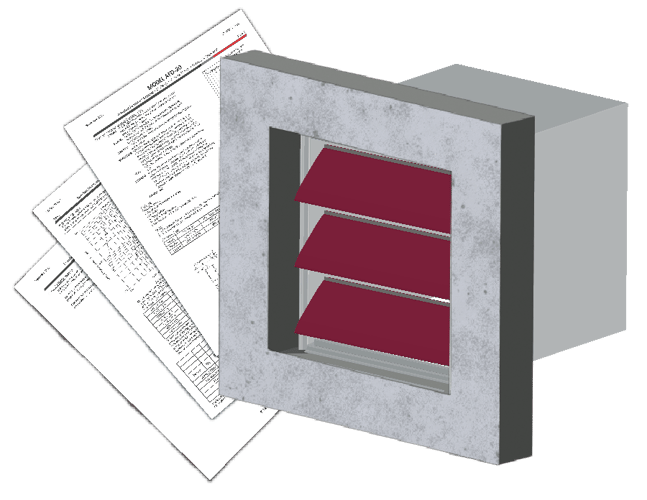
Part three is the “execution” part of the damper specification:
- Guidelines for examining the dampers before installing them.
- Methods for preparing the dampers for installation.
- General guidelines for installing the damper, with reference to manufacturer’s installation instructions.
- Guidelines for cleaning and maintaining the dampers.
Part three contains guidelines for preparing and installing the listed dampers. This section provides an overview of how a damper would be installed in the building.
It does not contain the full details of the installation process. Installers will consult the manufacturer’s installation instructions when installing each damper. This part of the spec is meant to provide an overview to the builder.
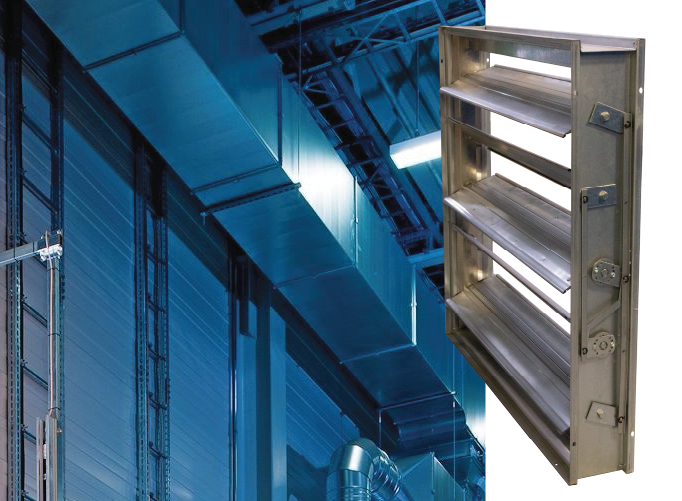
Damper specifications keep the details of each damper in one place. As part of a full building spec, these documents help keep track of everything that goes into a building. This helps planners and general contractors find the right parts. Dampers are one part of a complete building. And that means they are part of the specification.
Need help with your specifications? MCDLG can help.
For more on control dampers, check out these Newsstand articles:
- HVAC Damper Control - Automation Equipment for Dampers
- The Condenser - Blade Design for Dampers
- Choosing Dampers for HVAC Ductwork