.webp?width=91&height=70&name=MCDLG%20Logo%20(Resize).webp)

How do control dampers fit into your building’s automation system? Learn how they can help automate your HVAC system on the Newsstand. Read more for the details.
Modern buildings are autonomous. Building automation can be simple things, like opening the front door when someone approaches or turning on the lights when someone enters a room. Automated HVAC is more complex.
Imagine an HVAC system that can maintain comfortable temperatures throughout the day without wasting power on empty rooms.
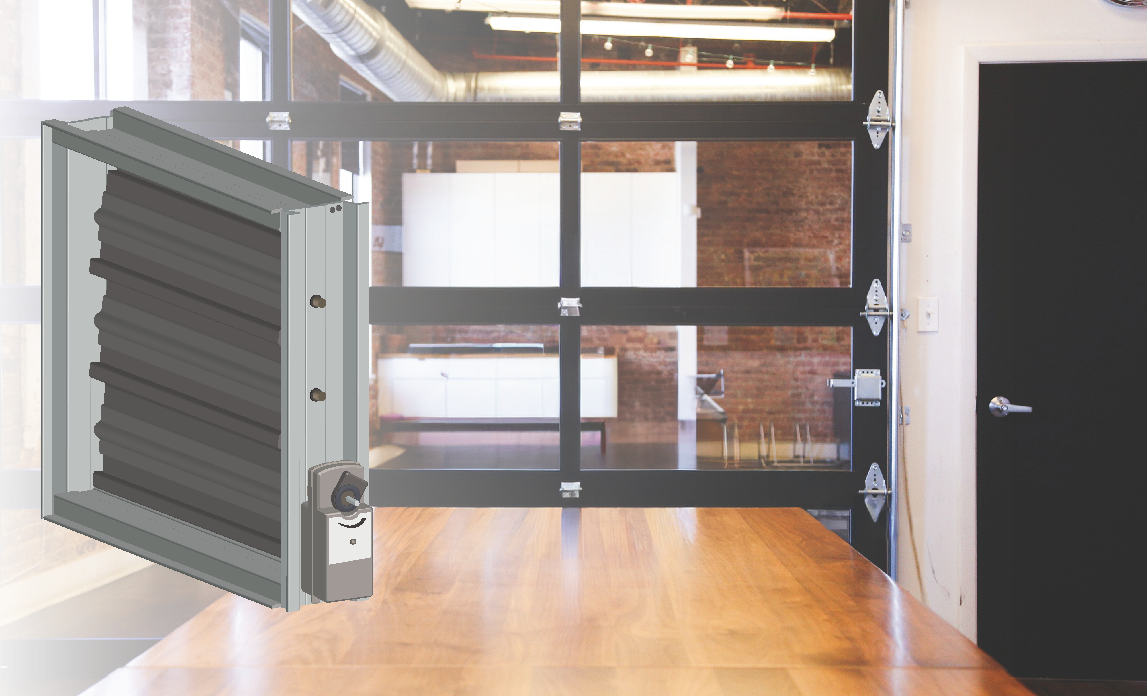
It isn’t hard to imagine. Modern HVAC projects employ smart thermostats and sensors to monitor every zone in the HVAC system. All of this is tied to a central building computer that determines when rooms should be heated or cooled. Control dampers provide the means to direct air to the right place in the building.
Building Automation System
A building automation system (or BAS) is a network of smart devices and sensors tied to a central computer system. You may also hear this called a “building management system” or a “building energy management system”.
These terms refer to the same concept: a network of smart devices that monitor and control various parts of the building. We focus on HVAC in this blog, but the BAS can also control lighting and security systems.
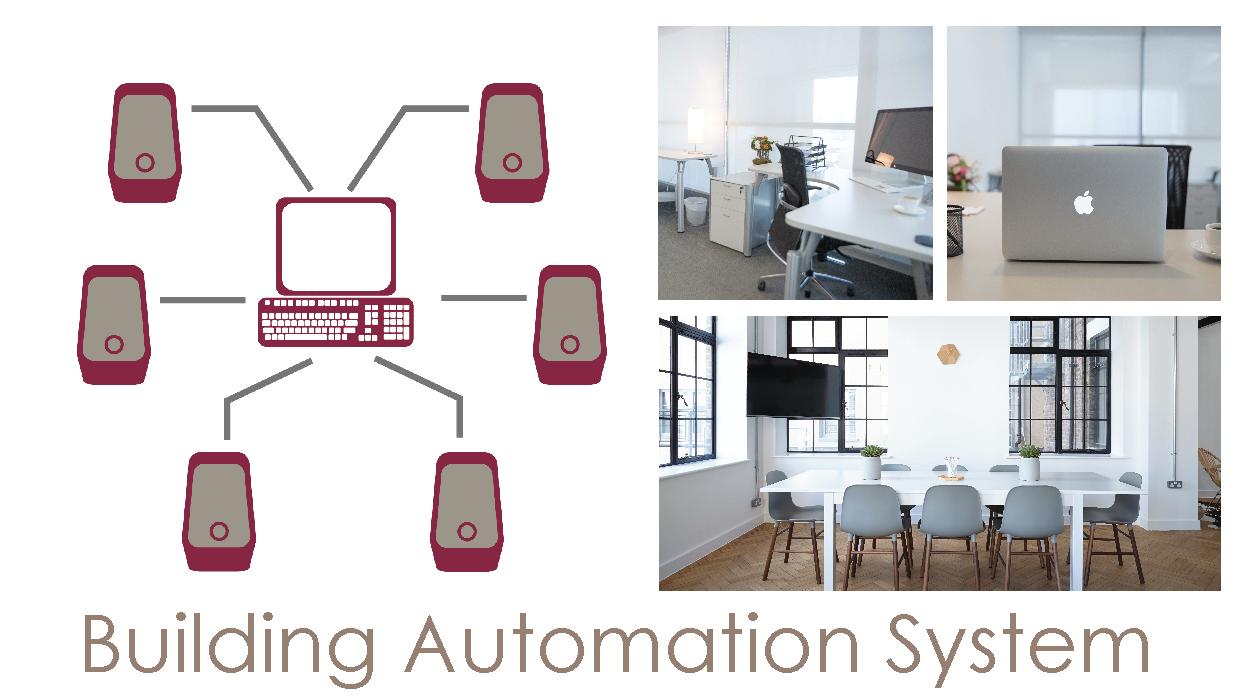
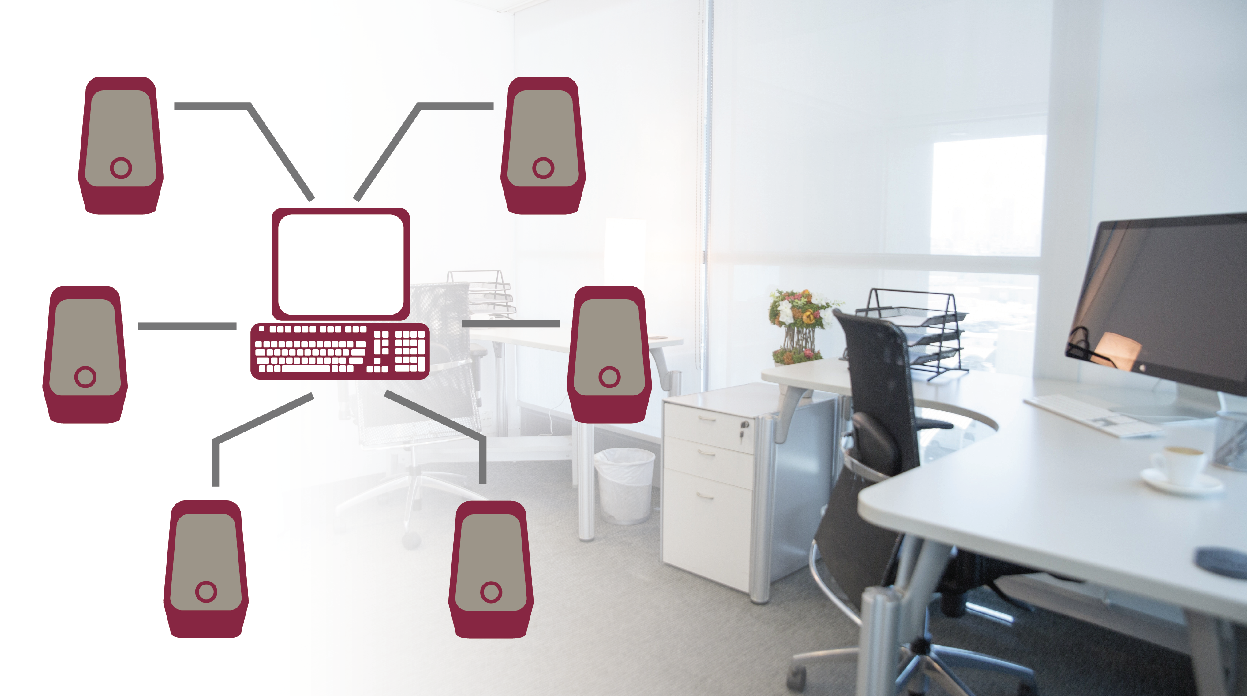
The Internet of Things allows us to connect wireless devices to a central computer and monitor each section of a building remotely. Software gives us a big picture, displaying the data from each connected sensor and device.
Each smart system will typically have its own software for monitoring the building. For example, security devices will have their own software for alerting the users of an intrusion. This software will typically have video footage to accompany the alert.
The HVAC system will also have its own software for monitoring temperatures throughout the building. From here, a building manager can also set baseline temperatures, schedule heating or cooling through the day, and monitor the system’s performance. This software can also alert users to malfunctions in the system or provide reminders on upcoming maintenance.
Control Dampers and BAS
Control dampers direct airflow to the parts of the building that need it. When you adjust the thermostat in the room of a building, a series of control dampers open and close to direct air from the central unit to the room. Control dampers help the HVAC system by dividing the building into zones. The HVAC system can focus on individual zones to quickly heat or cool the areas that need it.
With electric actuators, zone control dampers can open and close on signals received from the building’s central computer. This is achieved by applying and removing power to the actuator. In most scenarios, powering the actuator will open the damper.
In other words, the actuator rotates the damper blades to the open position when powered. The actuator will “close” via an internal spring mechanism when the actuator is unpowered. The actuator is “power open, spring closed”.
When tied to a central computer, the control dampers provide the pathway for airflow. The BAS can monitor the building’s zones and adjust the HVAC system as needed. The system can address the needs of occupied zones in the building and deliver airflow only to those zones, instead of wasting power on unoccupied rooms.
An Example of Automated Zone Control
Control dampers also help the system react to changes.
For example, let’s say you want to move an important discussion into a bigger room with more chairs. This topic needs more people involved in the conversation. You leave your office and make your way to the nearby conference room. Sensors pick up that you left.
Control dampers in the ductwork close to focus the system’s efforts on other areas, so that it doesn’t waste airflow on an empty room. Motion sensors determine you are now entering the conference room. The smart thermostat determines that the room is cooler than the preset temperature.
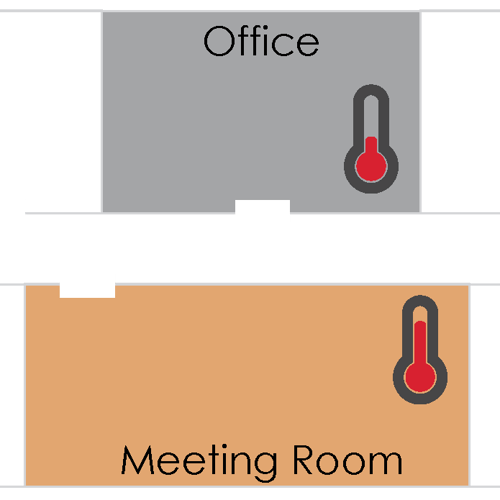
In this example, the office is no longer occupied. Control dampers will close off this area to focus efforts on the meeting room.
The HVAC system begins generating warm air for the room, as control dampers create a path through the ductwork to the conference room. It takes only a minute for the room to be comfortable again, because the system’s efforts are focused on that conference room.
To extend the example, let’s say you finish up the meeting in an hour and return to your office. The conference room may still be occupied, but your office has been dormant. It has lost some of the heat that was in there. When you arrive, the sensors in your office alert the BAS, and the HVAC system, that your office is occupied.
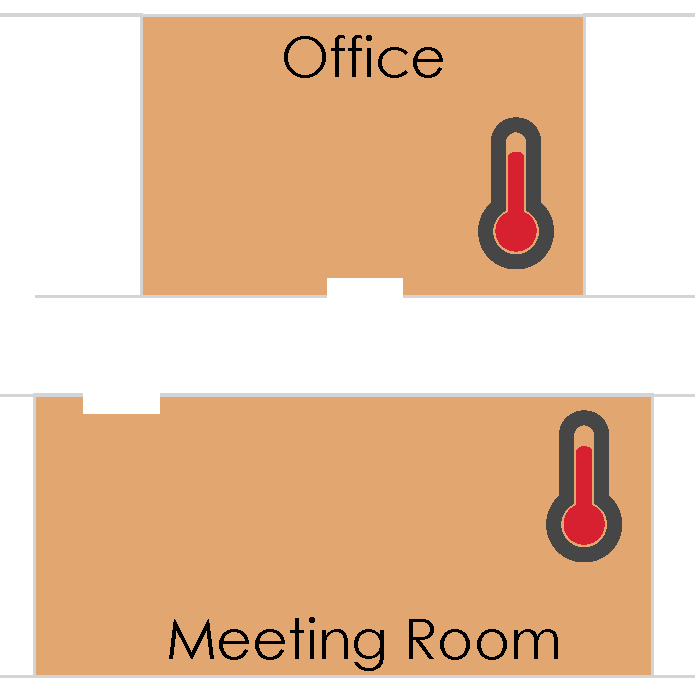
The smart thermostat determines your room needs heating and makes the necessary adjustments. The control dampers that connect your office are open to allow heated air into your office. By concentrating its efforts, the HVAC system can heat your room quickly and with relatively little wasted power.
The Future of Building Management
Before central computers and sensors, HVAC was set to a schedule that would maintain temperatures throughout the workday and shut off after business hours.
This is how most HVAC systems run. In fact, the HVAC system in your home likely runs the same way: it turns on before you get home from work and shuts off after you leave for work. Scheduling still works for smaller projects.

Smart devices allow the system to respond to changes with efficiency. By focusing the system’s efforts, you can maintain a comfortable environment with excellent air performance and minimal energy waste. Control dampers help achieve this by opening and closing zones and focusing the system’s efforts.
Looking for control dampers? Contact Air Balance today. We build airflow dampers and life safety dampers for meeting airflow requirements. We can provide the dampers to complete your building. Take a balanced approach to your next HVAC project with Air Balance.
For more on control dampers, check out these Newsstand articles:
- Air Performance and Control Dampers
- Parallel or Opposed? - Control Dampers and Blade Action
- The Condenser - Temperature Limits for HVAC Dampers