Life Safety in HVAC - Combination Fire-Smoke Dampers
Life safety is a crucial part of HVAC. In this article, we will discuss the traits of the combination fire-smoke damper and its role in your HVAC system.
.png?width=600&height=158&name=MCDLG-logo2%20(50percent%20downscale).png "MCDLG Logo")
Posts about:
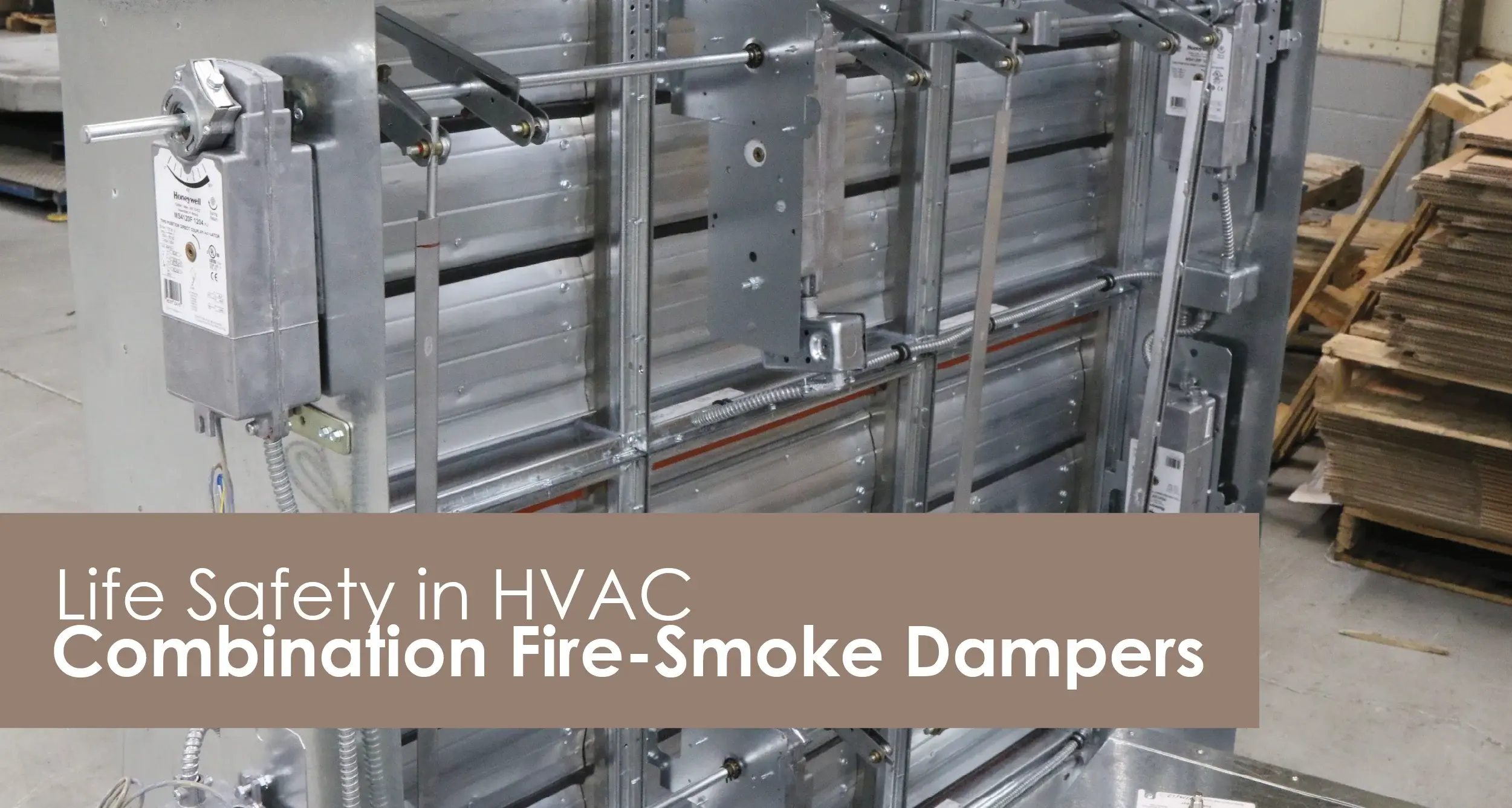
Life safety is a crucial part of HVAC. In this article, we will discuss the traits of the combination fire-smoke damper and its role in your HVAC system.
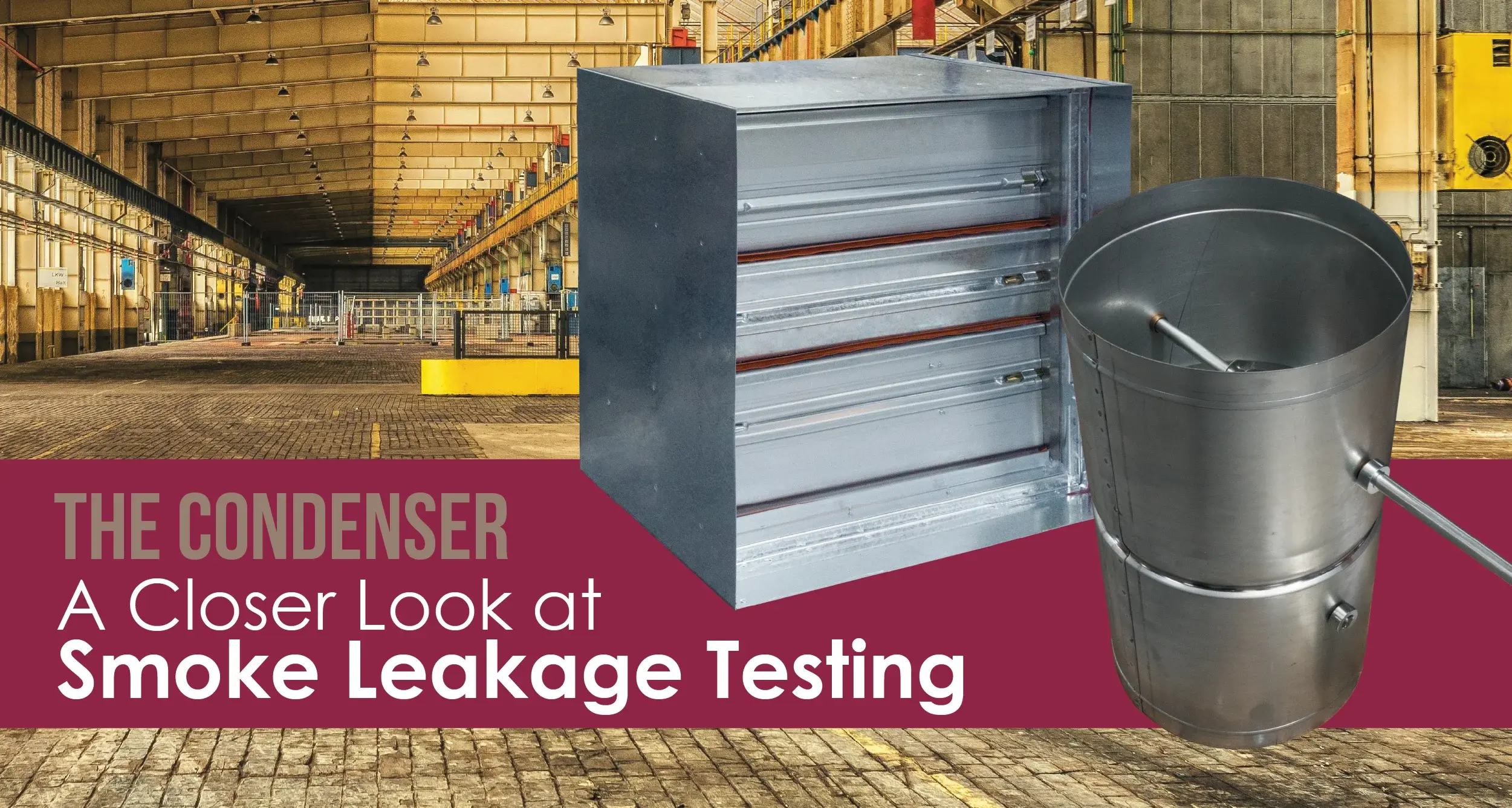
What is a leakage class and how is it determined? Take a closer look at how smoke dampers receive a leakage class with this quick Condenser article.
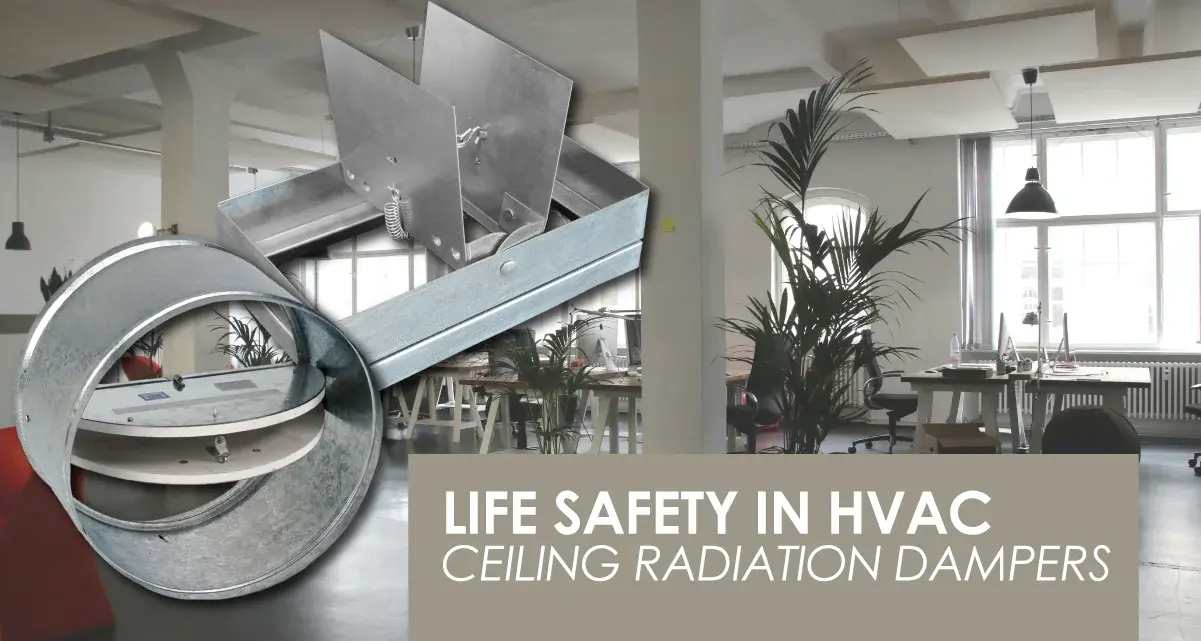
What are ceiling radiation dampers? How do they work? Why are they important for your building? In this article, we will discuss how CRDs (ceiling radiation dampers) fit into the fire response in your HVAC system.
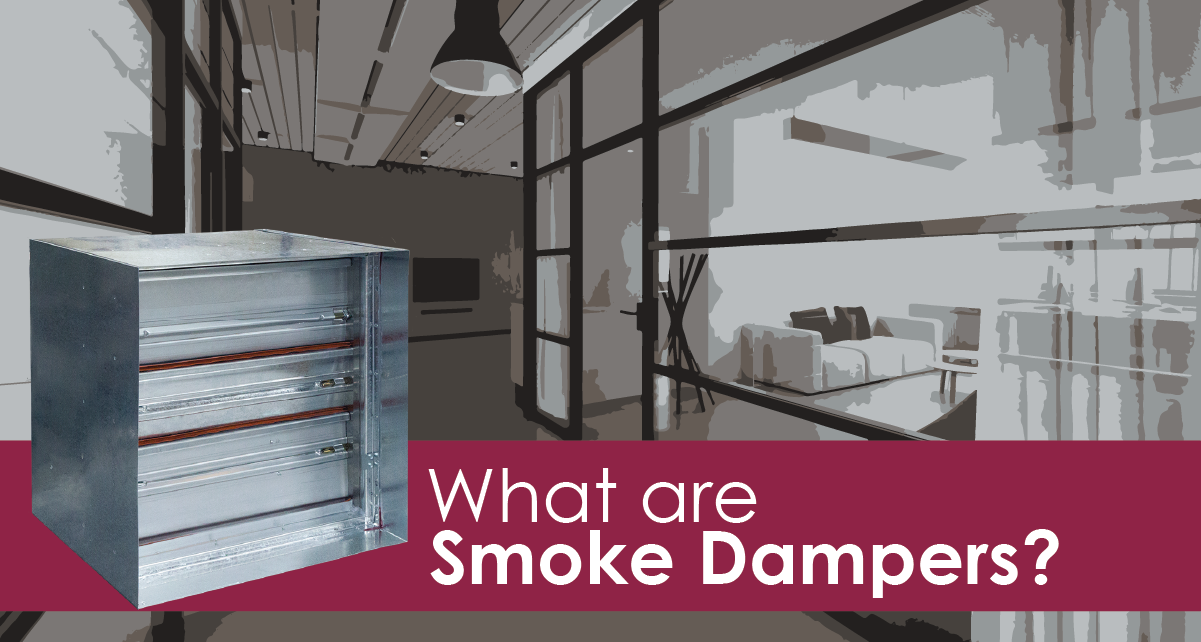
What are smoke dampers? Learn how these life safety dampers keep occupants safe during an emergency. Stay informed with the MCDLG Newsstand.
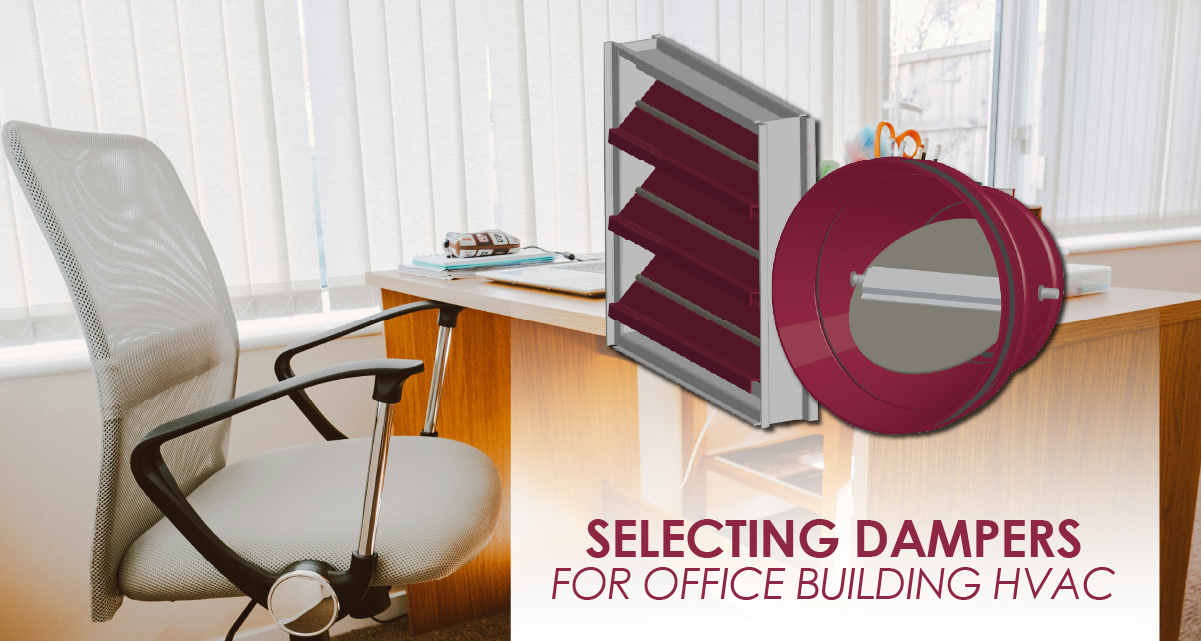
Office buildings will have many zones that will have different airflow needs throughout the day. Keep air moving through your office with these dampers.
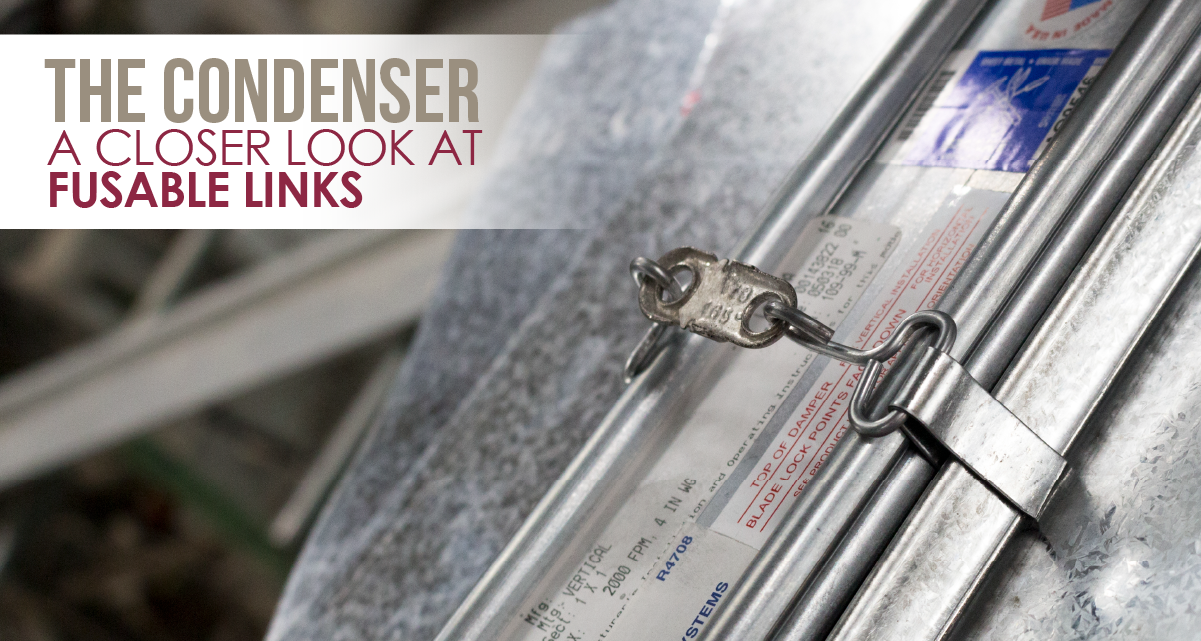
Fire dampers need to close at a moment's notice, even if there is no power in the building. Learn how fusible links help them close in this quick Condenser read.
A lot can happen during a fire. Debris can fall and ducts can fail, but your fire dampers need to stay in place to keep the fire barrier intact. Breakaway connections help. Learn how in this article.
Every fire damper and fire smoke damper will have a fire resistance rating. What does the rating mean? Learn about the tests and standards with this quick Condenser article.
.webp)
You have a few options to think about when choosing fire dampers. Multi-blade or curtain? Static or dynamic? How many hours of fire resistance? Learn about your options on the MCDLG Newsstand.
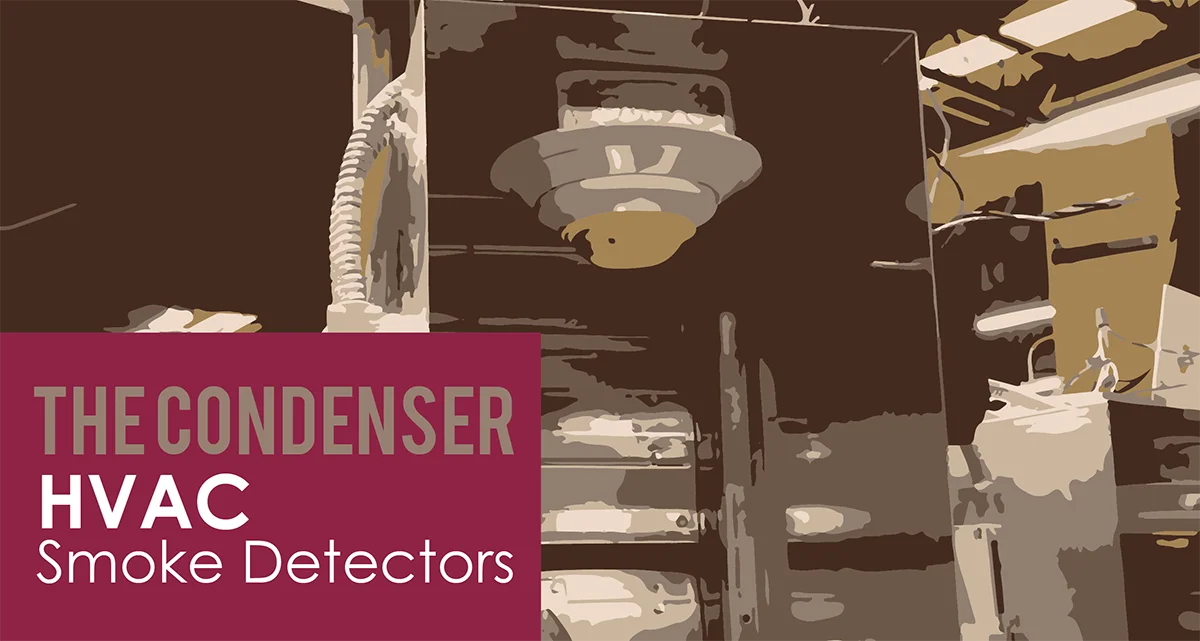
Smoke dampers need the means to react quickly to the presence of smoke. Learn how HVAC smoke detectors work, and what to look for when choosing one, with the Condenser.