
Louvers and dampers working together to keep your HVAC system in working order. But how do they work together? Learn how louvers work with dampers in this blog article.
Notice: This article was generated using Claude AI through HubSpot's AEO tools. The article was edited and fact-checked by Newsstand writers before publishing.
For human-made articles by HVAC experts, check out the MCDLG Newsstand.
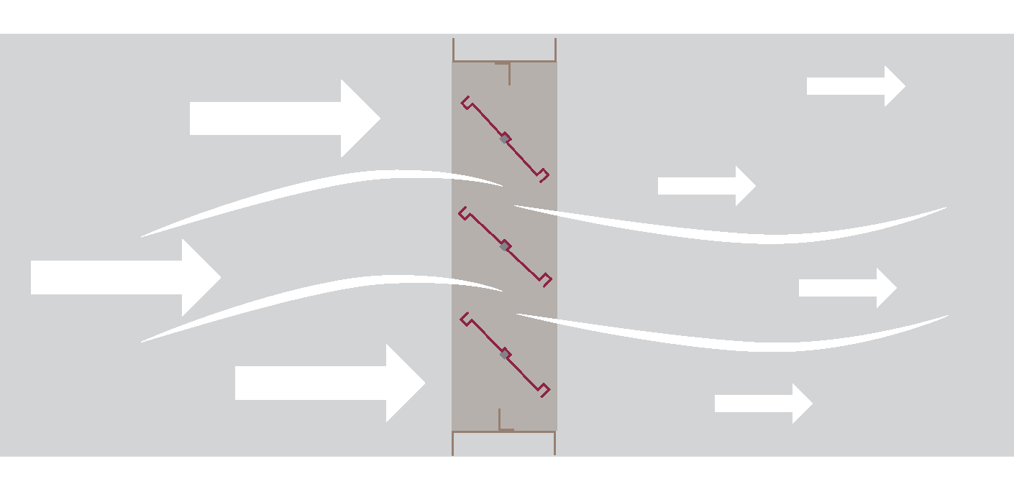
Louvers and dampers each affect your HVAC system's airflow, but they rarely get specified together. A louver at the building envelope creates a certain amount of pressure drop as air passes through its blades. That pressure loss travels downstream to every airflow control damper in the duct network.
When the louver introduces too much resistance, your system fans have to work to generate more dynamic pressure. Dampers also create static pressure, but not to the same degree. Where a louver is built for protecting an intake point, dampers are built for the smooth transfer of air from point to point in the HVAC system. Unchecked pressure issues at any point in the ductwork can cascade throughout the HVAC system.
The result is weaker modulation, higher energy costs, and uneven air distribution across your building zones.
This article explains how louver blade profile, free area, and sizing interact with damper performance. You will learn how to evaluate both components together, so your HVAC system runs at peak efficiency.
Key Takeaways: How Louvers Affect Damper Performance in HVAC
- Louver blade profile and free area directly influence how much pressure drop reaches your control dampers downstream.
- Higher pressure drop at the louver forces system fans to work harder, increasing energy consumption across the duct network.
- Oversized or undersized louvers create turbulent airflow that undermines a damper's ability to modulate accurately.
- MCDLG builds AMCA-rated louvers and control dampers designed to work together for balanced airflow.
- Reviewing AMCA test data for both louvers and dampers during design helps you avoid costly field corrections later.
What Is the Relationship Between Louvers and Dampers?
Louvers and dampers share the same airstream. A louver sits at the building envelope and passes incoming air through its face. Control dampers are installed throughout the building, but they can also sit behind the louver to regulate how much of the intake air reaches interior zones.

Thinking of louvers and dampers as separate components is a common design pitfall. They are both part of a complete system, and selecting one without considering the other can lead to air flow problems and wasted energy.
How Does Louver Pressure Drop Affect Downstream Dampers?
Every louver creates static pressure as air passes through. The total pressure drop at the louver reduces the dynamic pressure available to push air through to downstream dampers and ductwork.
When a louver's pressure drop is high, your system fans ramp up to maintain the required airflow. This extra fan energy increases operating costs and accelerates wear on fan components, which can lead to system failures when components fail.
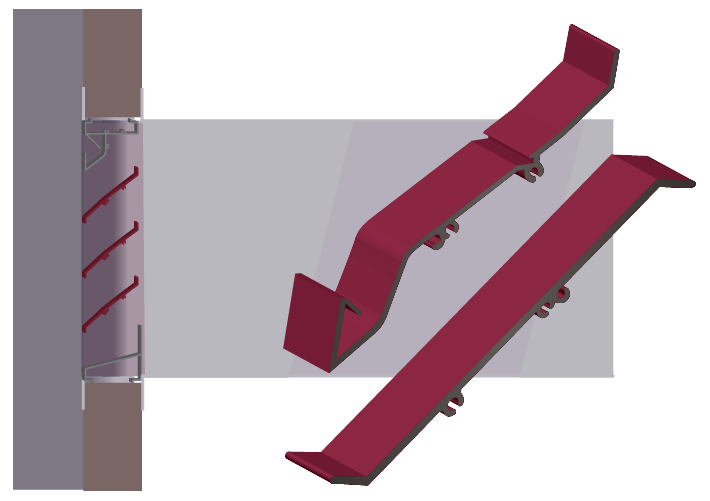 A backdraft damper receiving weakened airflow may not open as intended, while other dampers will operate regardless of airflow rate. The difference between the design airflow and the actual airflow reaching the damper creates inconsistent pressure that shows up as hot or cold spots in occupied spaces.
Which Louver Blade Profiles Minimize Pressure Drop?
Blade profile is the primary driver of louver pressure drop. Straight blades with a flat profile create the least resistance because air passes over their surface with minimal turbulence. Louver blades with more complex profiles add surface features that increase resistance but provide additional protection from water penetration. Louver blade design becomes a balance between the right protection and airflow.
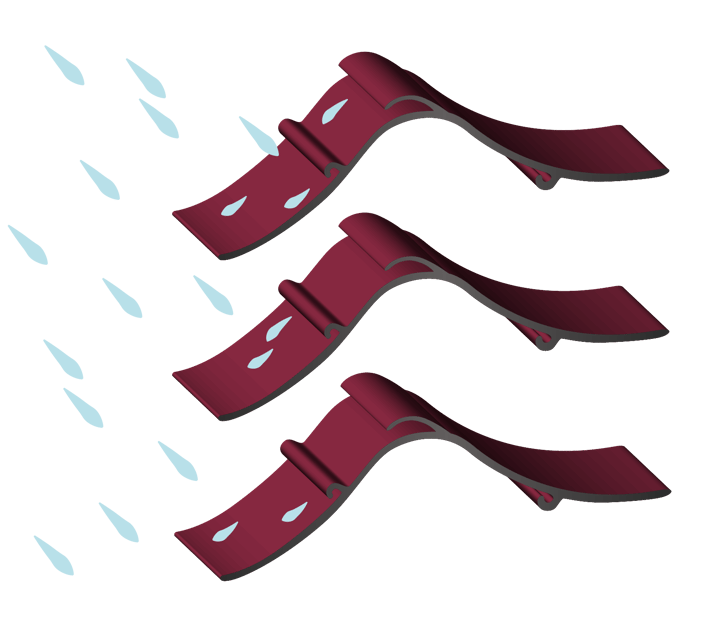
Chevron blades offer an effective balance between protective features and airflow. Their curved profile rejects rain while allowing air to flow through with limited resistance. MCDLG's chevron blade louvers protect your ventilation openings from wind-driven rain with minimal effect on air performance.
Drainable blades add channels and troughs to capture water before it enters ductwork. These features slightly increase pressure drop compared to non-drainable versions, so you should balance drainage requirements against airflow targets during design.
How Does Louver Free Area Influence Damper Operation?
Free area is the unobstructed space through which air can pass. A louver with generous free area allows more air to reach your damper at lower velocities, which reduces turbulence at the damper face.
Restricting free area raises face velocity at the louver. That higher velocity arrives at the damper as a concentrated, faster-moving airstream. Damper blades in that scenario must work against greater force, which can affect blade seal integrity over time.
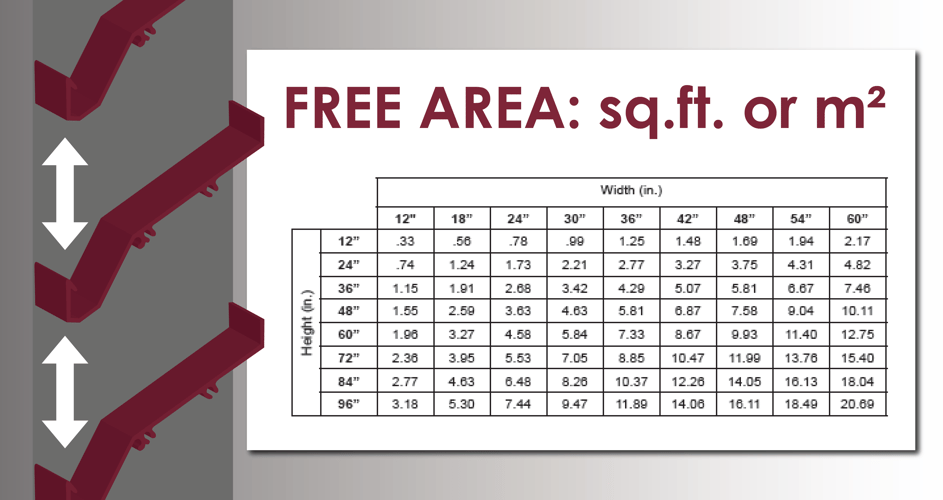
AMCA air performance testing measures how free area affects pressure drop at multiple velocities. Reviewing this data during project planning helps you pair the right louver geometry with a damper that can handle the resulting airflow conditions.
What Happens When You Oversize or Undersize a Louver?
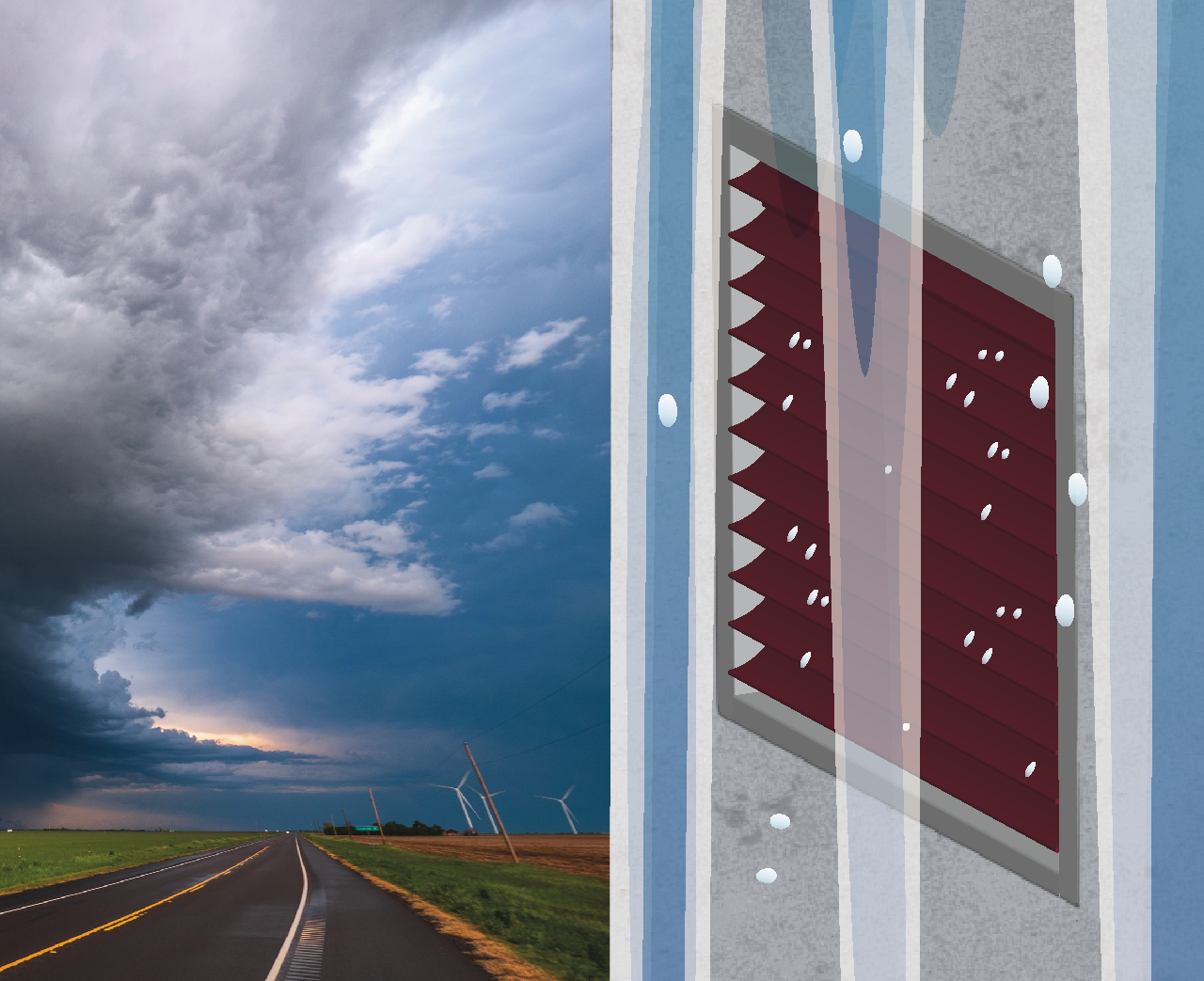
An oversized louver creates low-velocity airflow that sounds efficient on paper. In practice, it can allow rain and debris infiltration because the air velocity is too low to activate the blade's rejection features.
An undersized louver does the opposite. It forces air through a smaller opening, spiking face velocity and increasing static pressure across the blades. The damper behind that louver receives erratic airflow that undermines precise zone control.
According to a 2025 AMCA article on specifying dampers and louvers, oversized dampers often result in non-linear control where small blade movements cause large airflow surges. The same principle applies when a mismatched louver delivers inconsistent pressure to control dampers downstream. Proper sizing at both the louver and damper keeps modulation linear and predictable.
How Do Blade Seals and Leakage Connect to Louver Selection?
A damper's blade and jamb seals prevent air from passing through closed blades. When a louver upstream creates excessive turbulence, the resulting pressure fluctuations test those seals constantly. Over time, this stress can degrade seal performance and increase air leakage.
MCDLG's control dampers feature blade seals designed for tight closure with minimal leakage. Pairing them with an AMCA-rated louver that delivers stable, low-turbulence airflow helps preserve seal life and keeps leakage rates at their tested class.

AMCA Standard 500-D assigns leakage classes from 1A (best) to Class 3. A well-matched louver reduces the day-to-day pressure swings that push a damper's leakage performance beyond its rated class.
How to Specify Louvers and Dampers as a System
Start by identifying your project's ventilation requirements. Determine the required airflow volume and face velocity at the intake opening. These numbers set the boundaries for both louver and damper selection.
Next, review the submittal for the louver. Look for the AMCA CRP seals for air performance. Check the pressure drop curve at your design velocity and confirm that the louver meets any wind-driven rain or water penetration standards your project demands. Then confirm that the damper's rated air performance accounts for the louver's pressure contribution.

Finally, evaluate the combined system effect. The total pressure drop from louver plus damper must remain below your fan system's capacity at design conditions. MCDLG's airflow control products include AMCA-certified test data on every submittal, so you can verify performance before installation begins.
In Conclusion: Matching Louvers and Dampers for Reliable Airflow
Louver selection shapes everything that happens downstream in your HVAC system. Blade profile, free area, and sizing all determine how much pressure reaches your damper blades and how accurately those blades can modulate airflow.
Treating louvers and dampers as a connected system rather than isolated components helps you avoid airflow instability, excessive energy use, and premature seal wear. The best approach is to review AMCA test data for both during design, match their performance characteristics, and select products built to work together.
FAQs About How Louvers Affect Damper Performance in HVAC
Does louver blade type affect control damper accuracy?
Yes. Complex blade profiles increase pressure drop and turbulence, which reaches the damper as unsteady airflow. This inconsistency reduces the damper's ability to modulate precisely. Straight blades or chevron blades from MCDLG minimize this effect by delivering stable airflow downstream.
Can a louver cause a damper to leak more air?
Indirectly, yes. A louver that creates excessive turbulence sends pressure fluctuations to the damper. Over time, those fluctuations stress blade and jamb seals. MCDLG's AMCA-certified louvers keep airflow smooth, helping your damper maintain its tested leakage class.
What AMCA tests should I review when pairing louvers and dampers?
Review the louver's AMCA 500-L air performance data and the damper's AMCA 500-D pressure drop curve. MCDLG products include both ratings on every submittal, so you can compare performance at your project's design velocity and confirm compatibility.
How does free area affect damper performance?
Greater free area at the louver lowers face velocity, which sends calmer airflow to the damper. Reduced turbulence at the damper face allows blade seals to maintain tighter closure and keeps modulation predictable across operating conditions.
Should I always choose the louver with the lowest pressure drop?
Not always. Your louver must meet project requirements for water penetration and wind-driven rain first. Once those requirements are met, selecting the option with the lowest pressure drop at your design velocity helps your downstream dampers perform more accurately.
Thank you for reading! If you're interested in louvers and dampers, check out the MCDLG Newsstand for more articles.