The Condenser - A Closer Look at Curtain Blades
Curtain blades are designed to close off a damper during a fire event. Take a closer look at these damper blades, and learn how they work, with the Condenser.
.png?width=600&height=158&name=MCDLG-logo2%20(50percent%20downscale).png "MCDLG Logo")
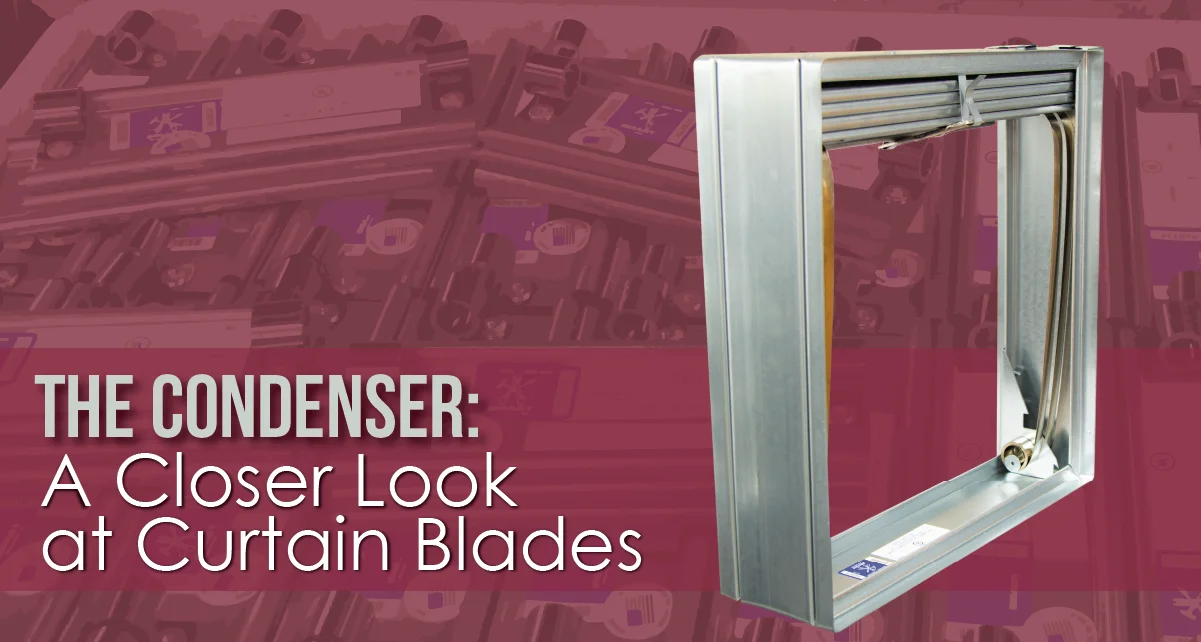
Curtain blades are designed to close off a damper during a fire event. Take a closer look at these damper blades, and learn how they work, with the Condenser.

Block sight lines and establish a secluded area with louvers and screens. Learn more about these privacy-centric assemblies on the MCDLG Newsstand.
.webp)
How do you get that louvered look without a frame? Vertical blade supports. Learn more about these blade supports with this quick Condenser article.
.webp)
Each finish adds style to your unit and a layer of protection. Learn how various finishes are applied and how they protect with the MCDLG Newsstand.
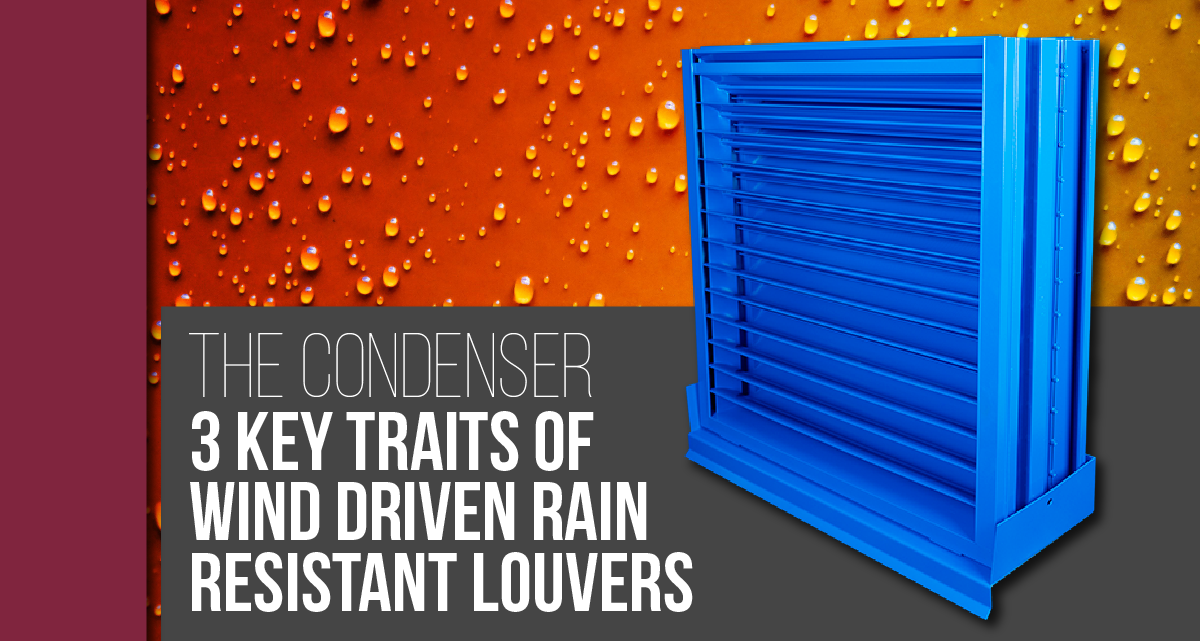
What makes a wind driven rain resistant louver? Here are three key traits to look for when choosing louvers for wind driven rain resistance. The Condenser is quick reads on important HVAC topics.
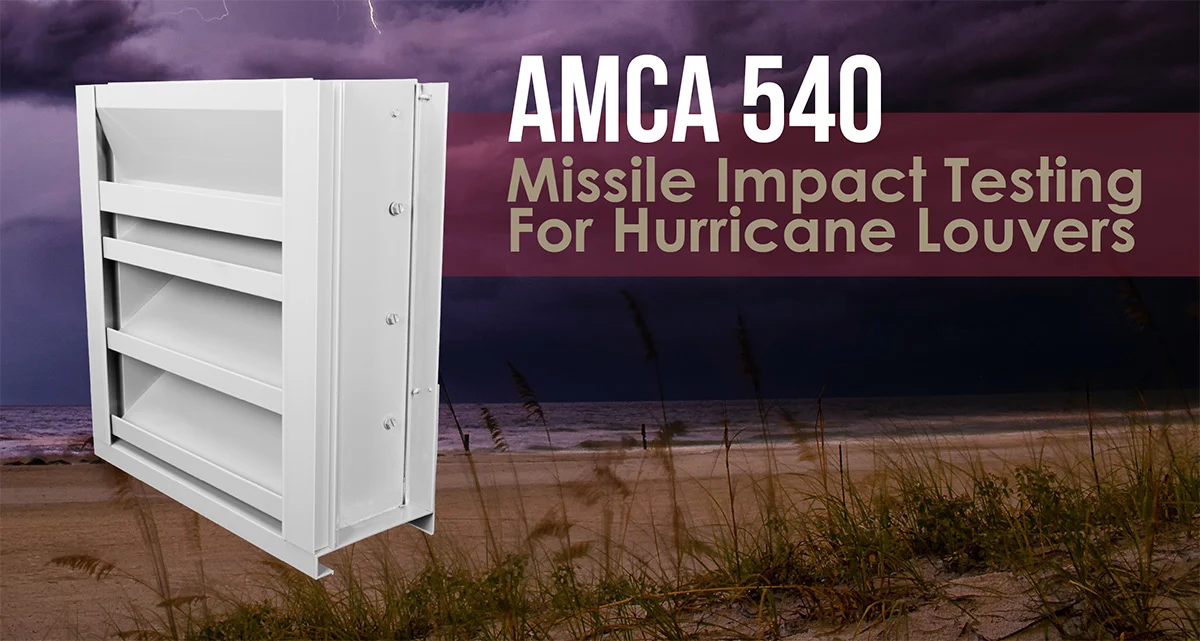
Hurricane louvers must withstand strikes from windborne debris. AMCA 540 is the standard for large missile impact tests. Learn more on the MCDLG Newsstand.
.webp)
In this Condenser, we look at the dangers of water infiltration through your louvers. How much damage can it do? Learn more on the MCDLG Newsstand.
Hurricane louvers protect your buildings from the most severe weather events. Louvers must be built, tested, and approved for use as a hurricane louver.
Straight blades are the standard for louver blades. In this Condenser, we take a closer look at these blades and what they can do.
.webp)
Which works better for a spiral duct: a round damper or a square damper with a transition collar? Learn more about these options on the MCDLG Newsstand.