The Condenser - What are Brick Vents?
Brick vents are louver assemblies designed for masonry. What makes them unique? Why use brick vents? Read this quick Condenser article for the answer.
.png?width=600&height=158&name=MCDLG-logo2%20(50percent%20downscale).png "MCDLG Logo")
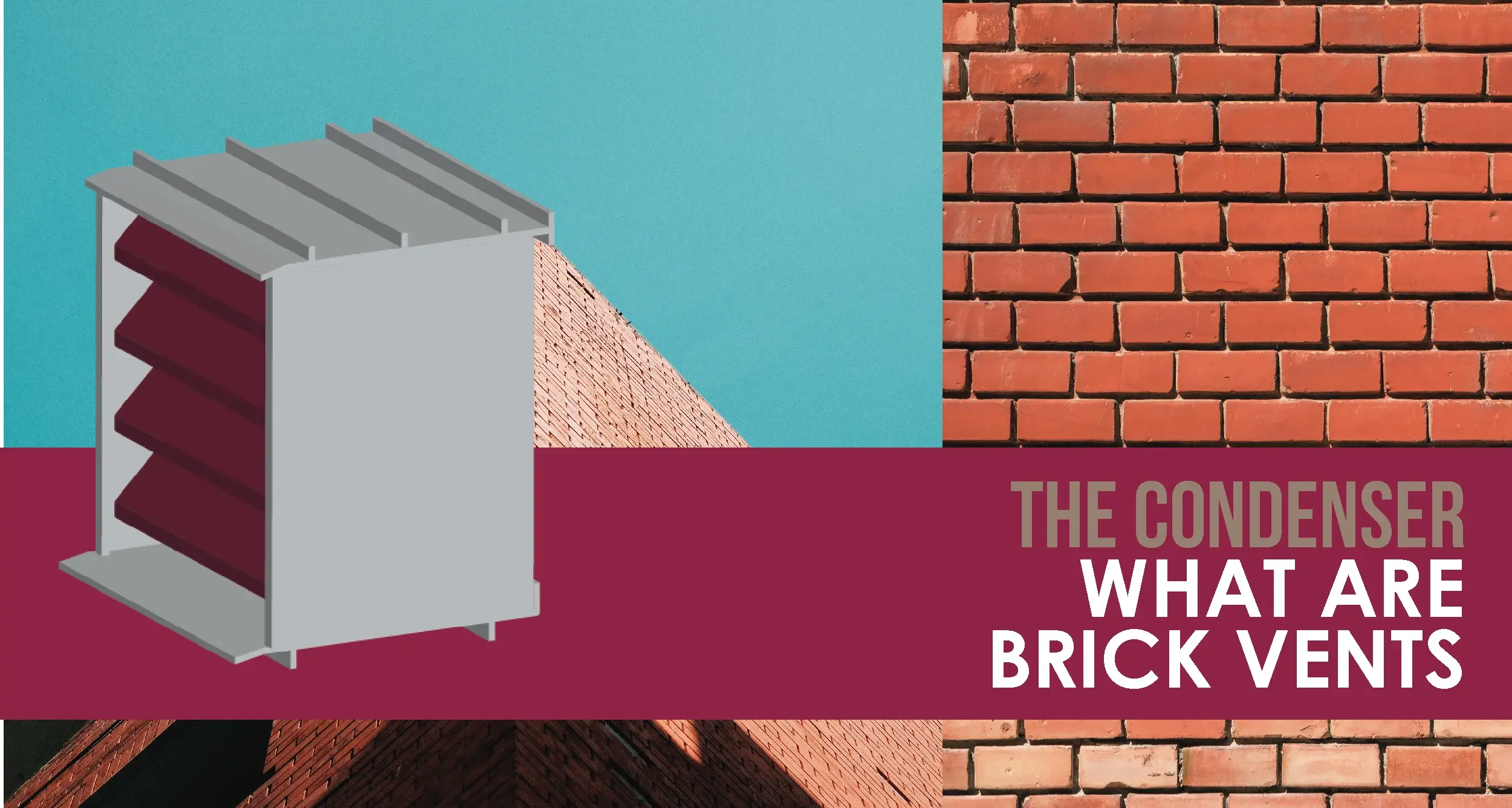
Brick vents are louver assemblies designed for masonry. What makes them unique? Why use brick vents? Read this quick Condenser article for the answer.

Preparing for hurricane season? Protect your ventilation points with hurricane-ready louvers. Learn what to look for when selecting hurricane louvers on the Newsstand.
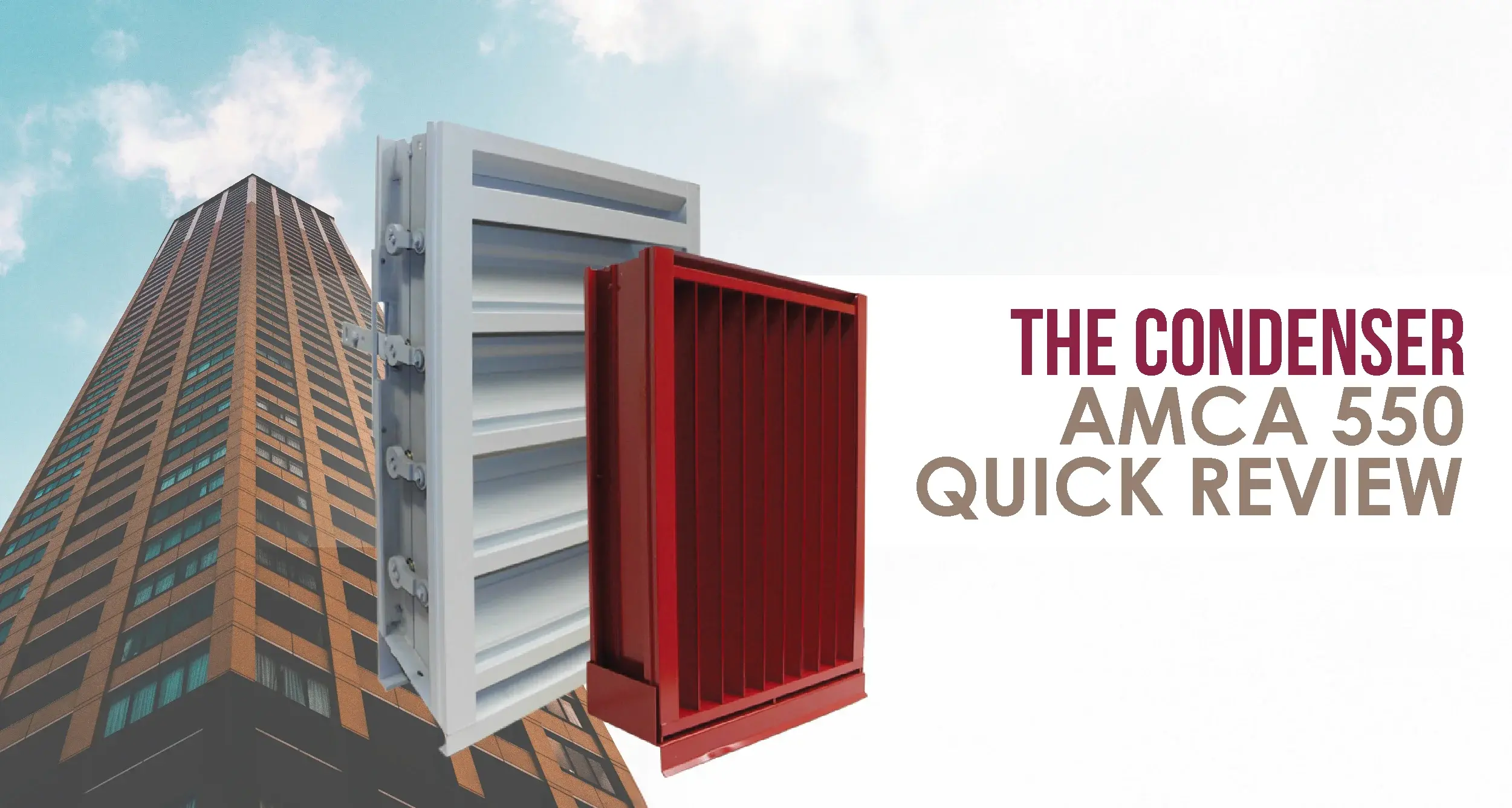
In this Condenser, we take a quick look at AMCA Standard 550. Get a refresher on AMCA’s wind driven rain standard for hurricane louvers. The MCDLG Newsstand has you covered.
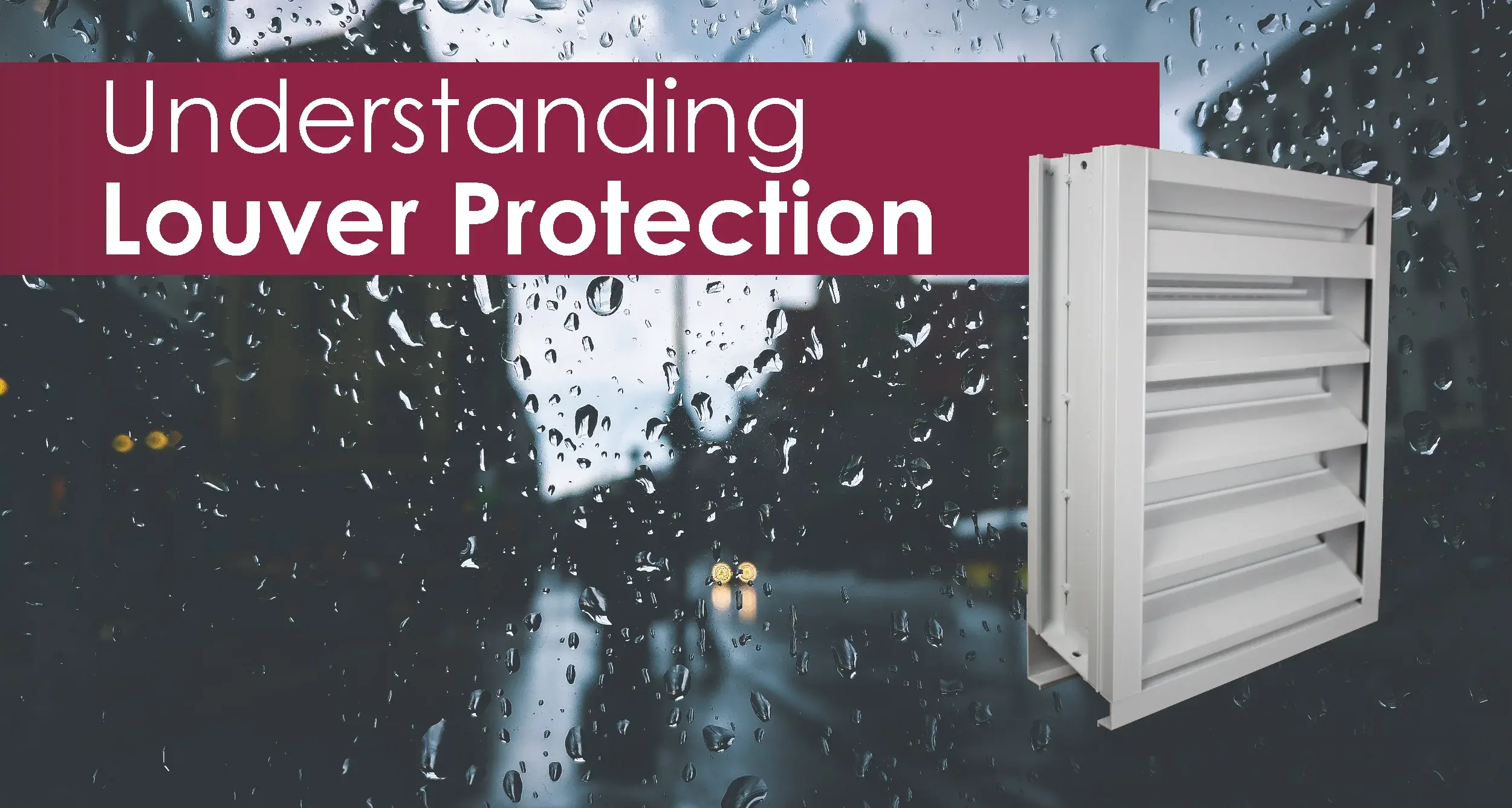
Louvers are versatile, but their main purpose is protection. When choosing a louver, you will be looking to protect a ventilation opening. In this article, we will discuss louver protection, what it means, and how to choose the best louver to protect your openings.
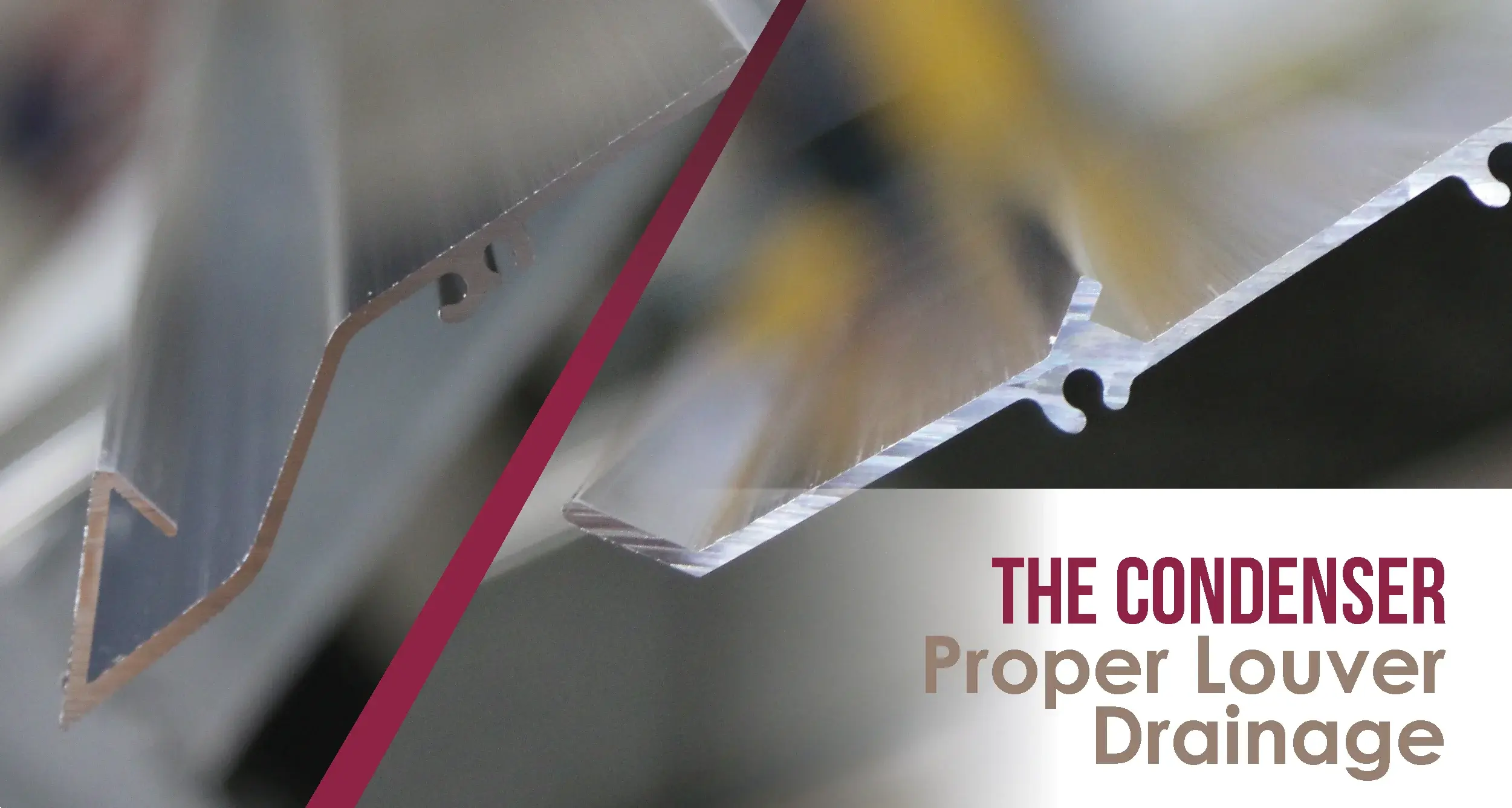
Drainable louvers keep interiors dry, but how do they “drain” rainwater? Learn where the water goes with this quick Condenser read.
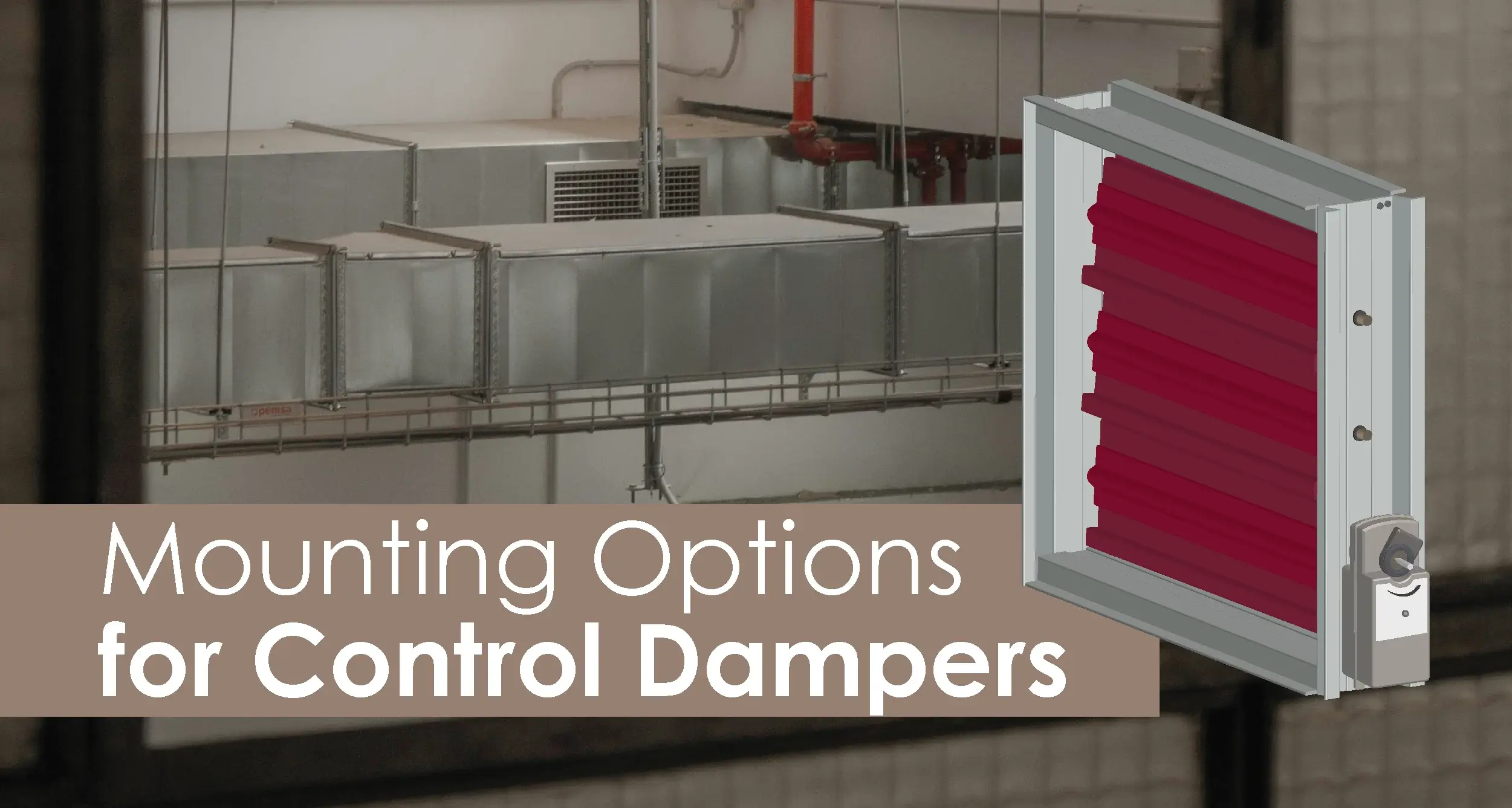
How you mount the damper will affect how you design it. Learn the four common ways to mount a damper with the MCDLG Newsstand.
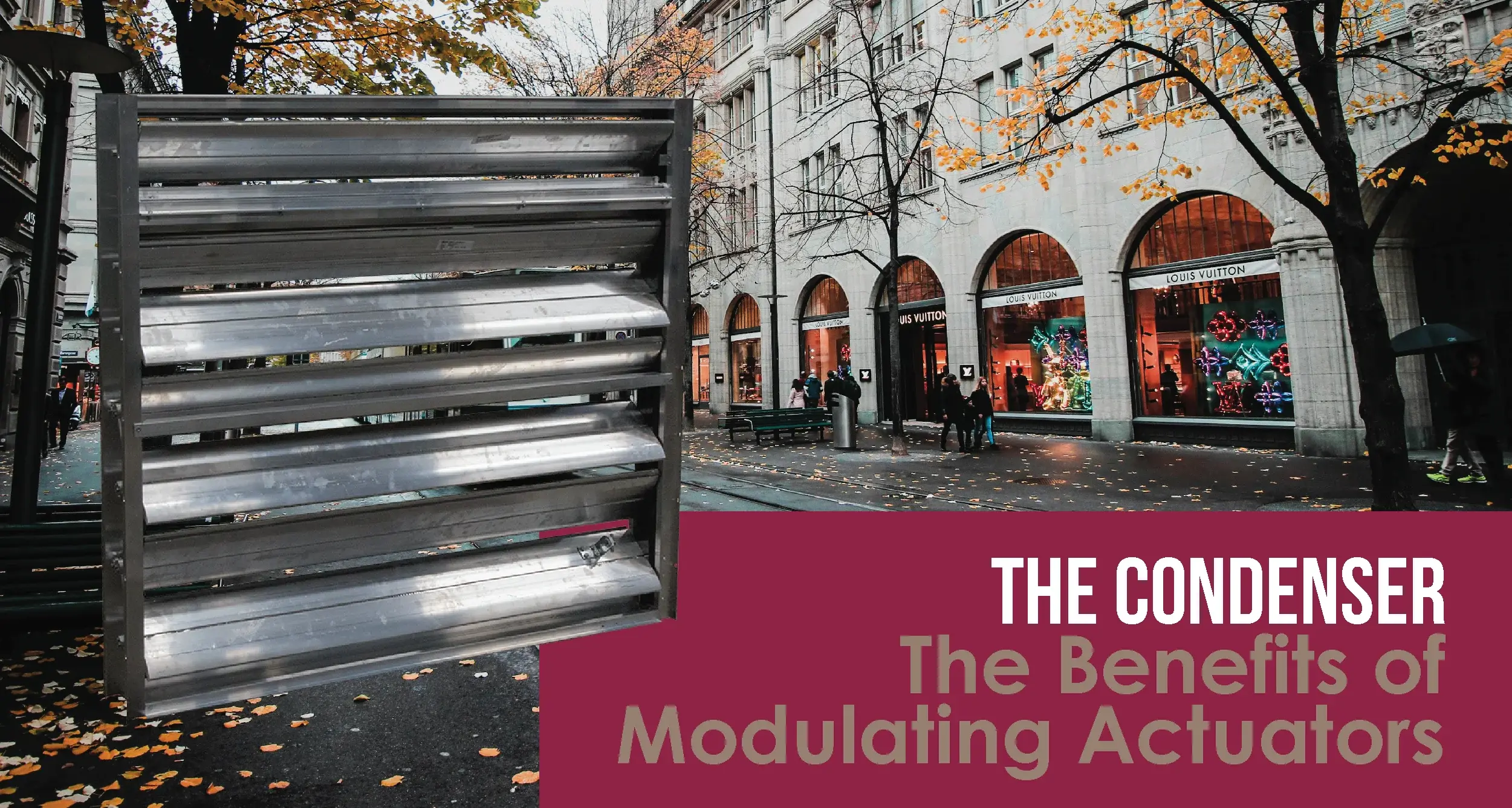
Expecting a pressure issue in your HVAC system? Or maybe there is a cold spot in your building that won’t go away. Pressure issues waste power and increase costs. A modulating actuator might be what you need.

Dampers will be part of your building’s specifications. Learn where they go in your specs with the MCDLG Newsstand.
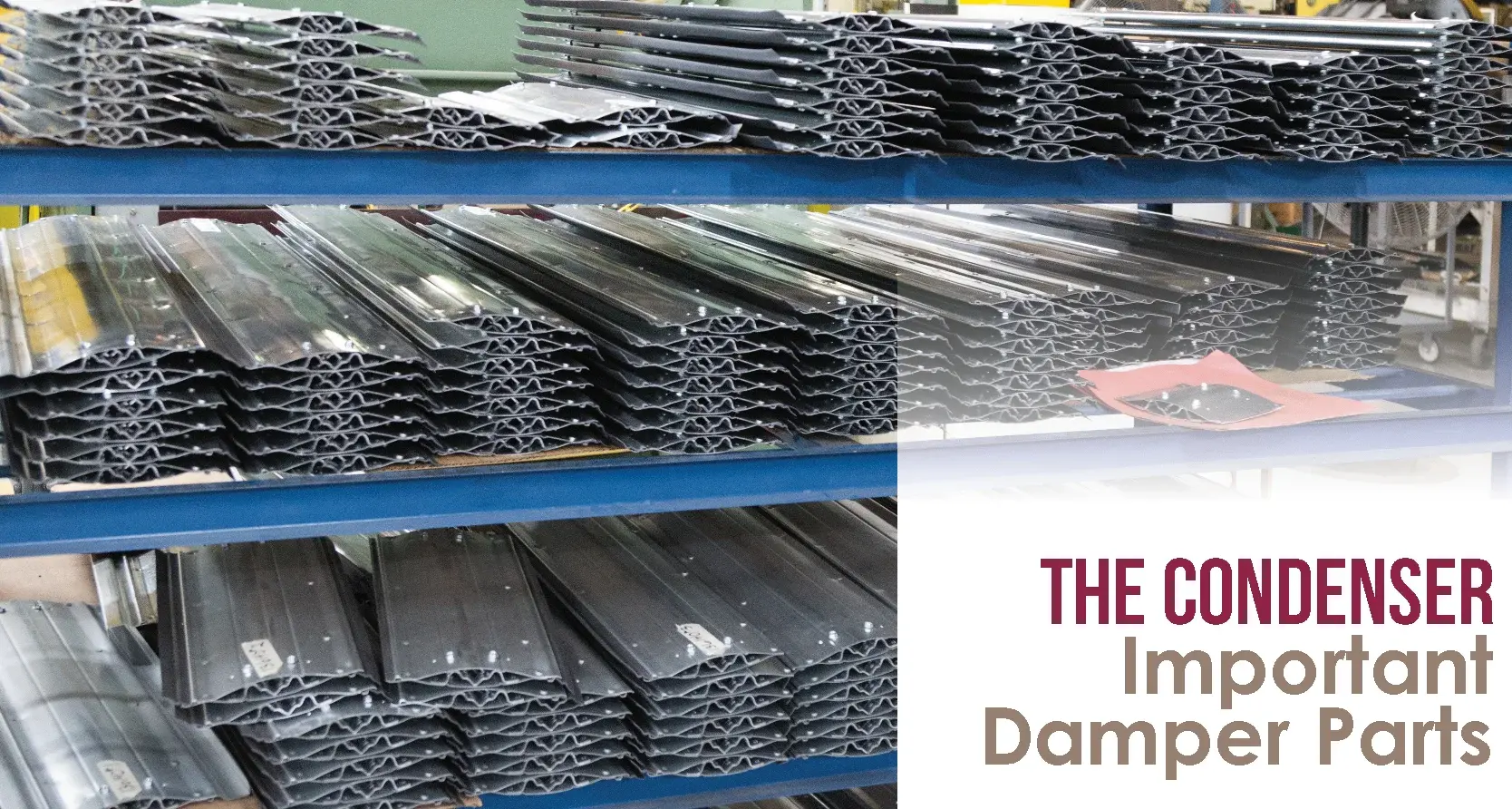
Dampers are built from many components, but we usually focus on the blades and the frame. Let's look at three damper parts that deserve more attention.

How do control dampers fit into your building’s automation system? Learn how they can help automate your HVAC system on the Newsstand. Read more for the details.
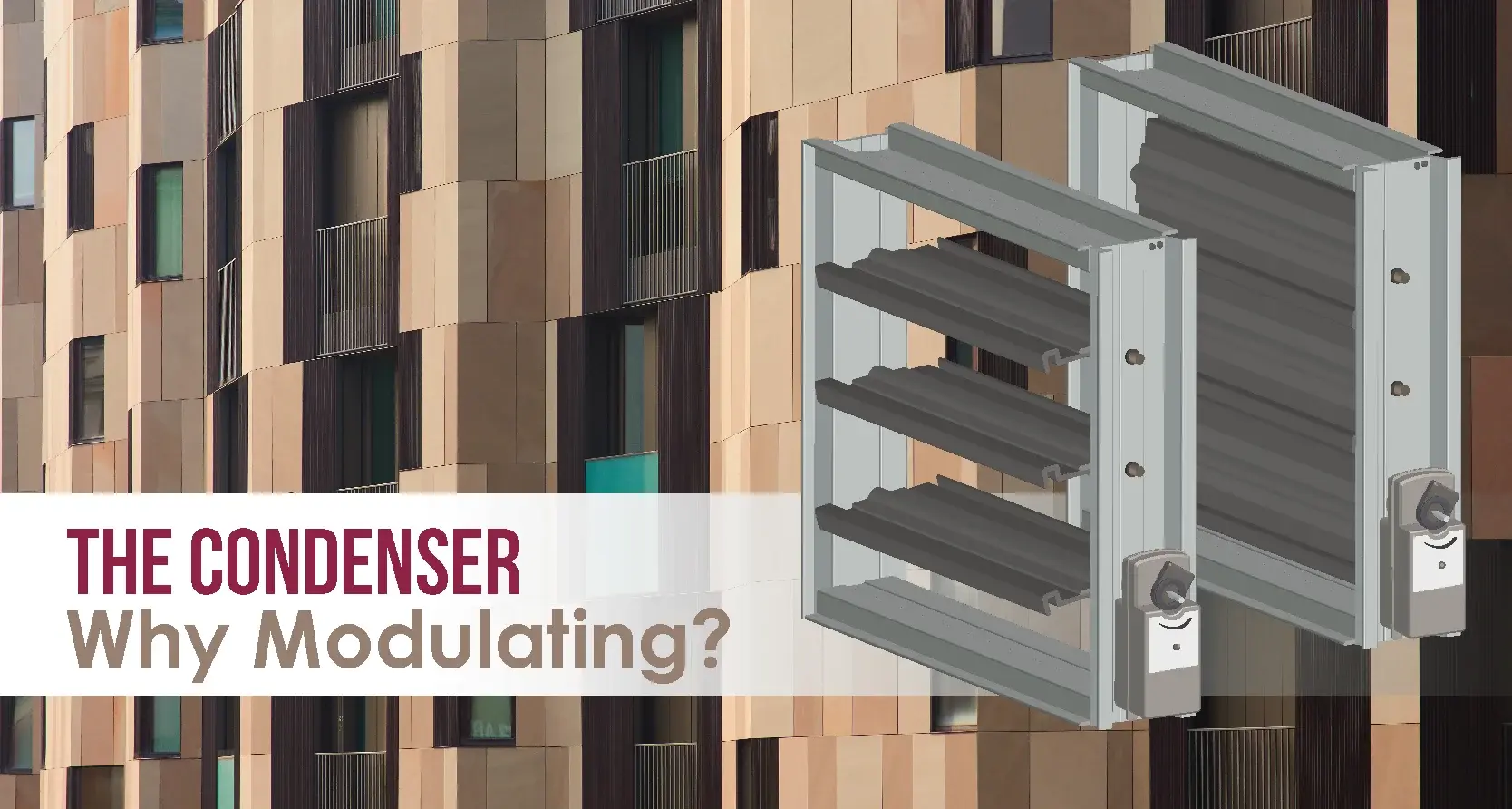
Most actuators can fully open or fully close a unit, but some can hold in between positions. Learn more about modulating actuators in this quick Condenser article.
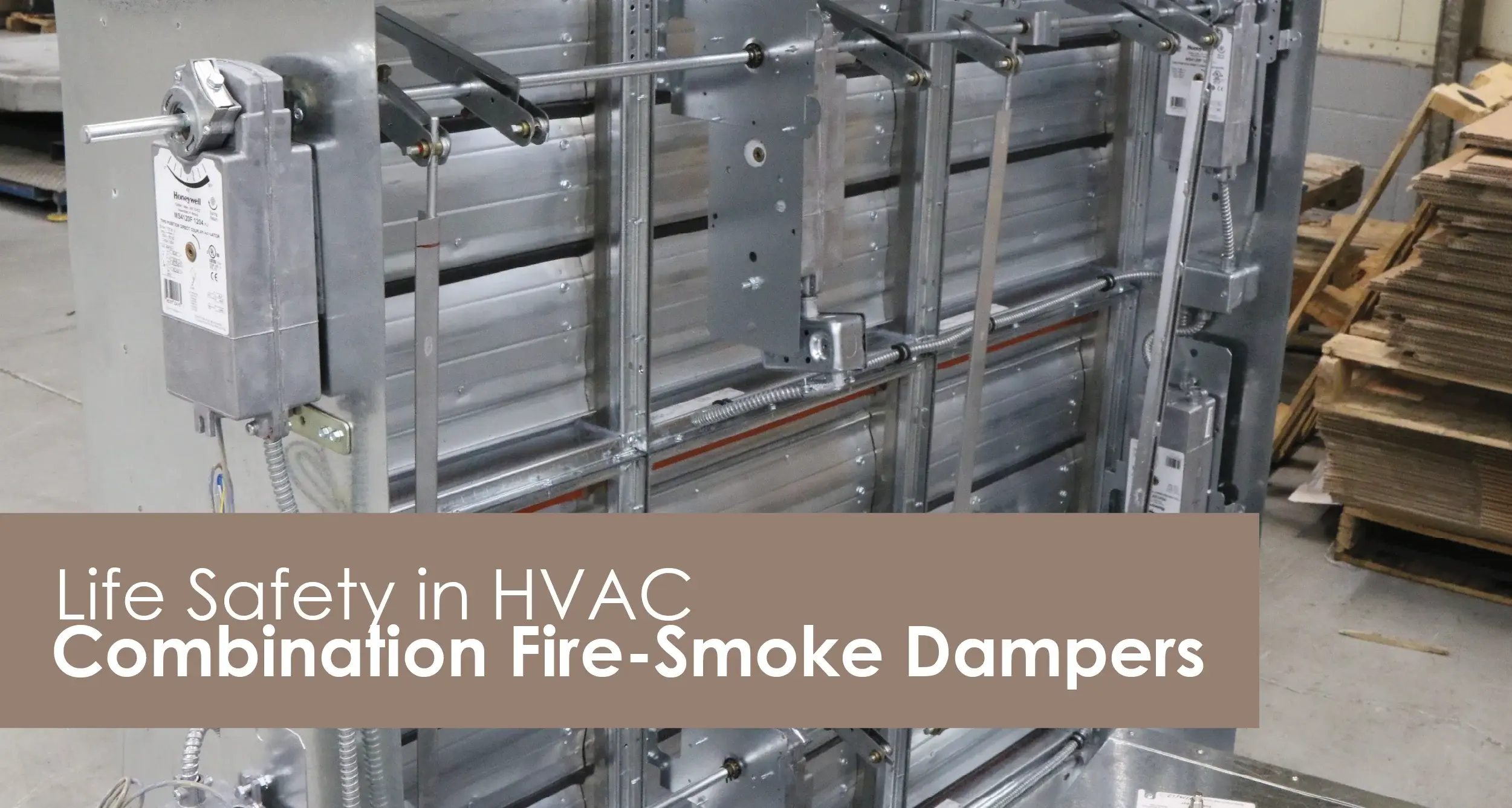
Life safety is a crucial part of HVAC. In this article, we will discuss the traits of the combination fire-smoke damper and its role in your HVAC system.
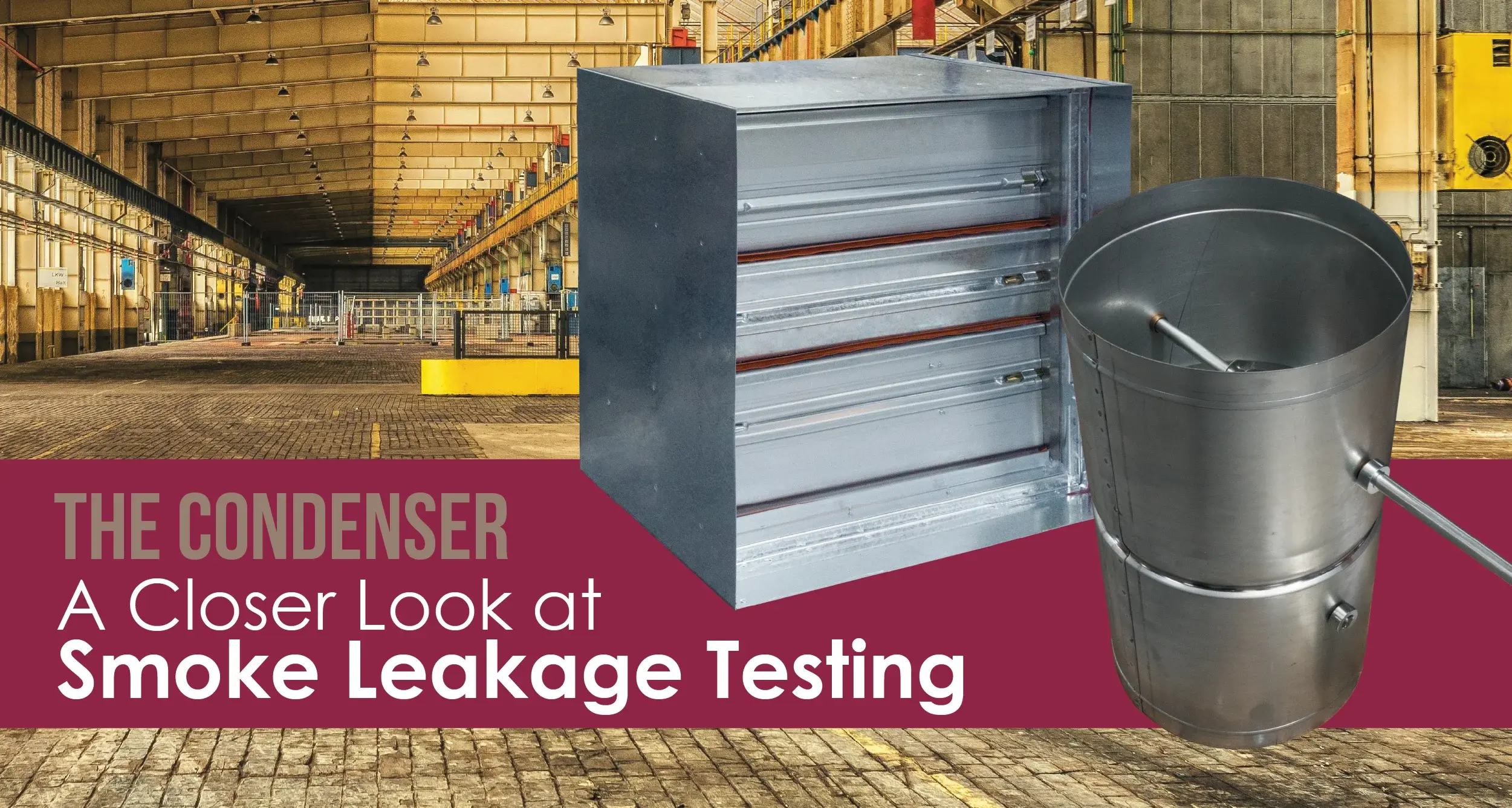
What is a leakage class and how is it determined? Take a closer look at how smoke dampers receive a leakage class with this quick Condenser article.
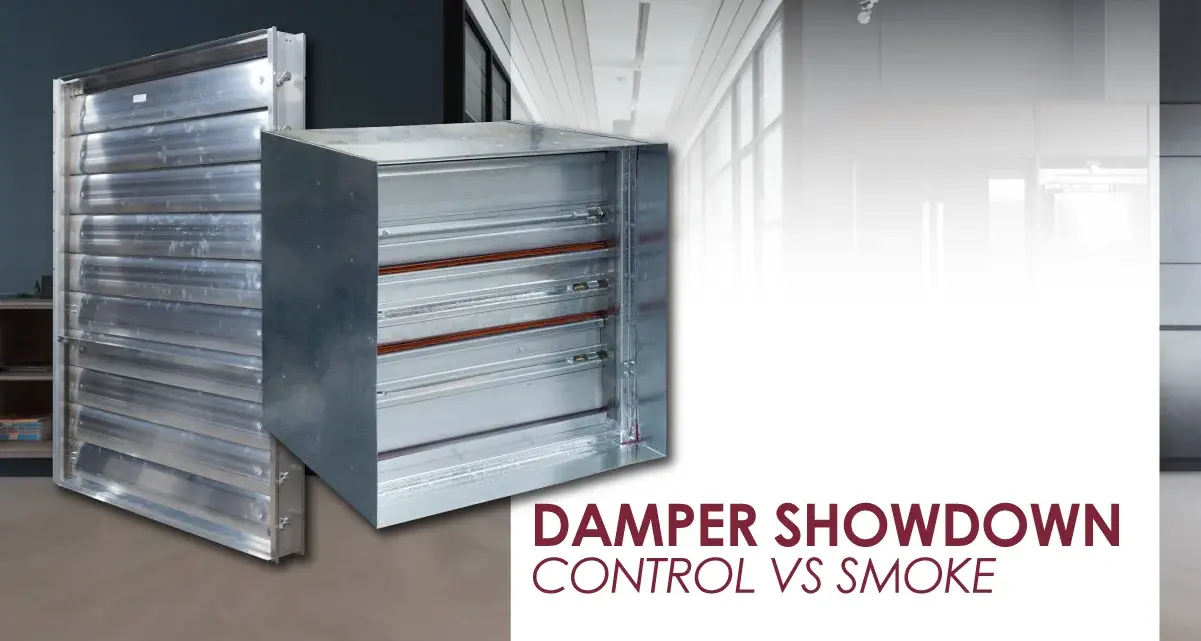
Air control or smoke control? Which do you need for your project? In this article, we compare control dampers with smoke dampers. Learn more on the MCDLG Newsstand.
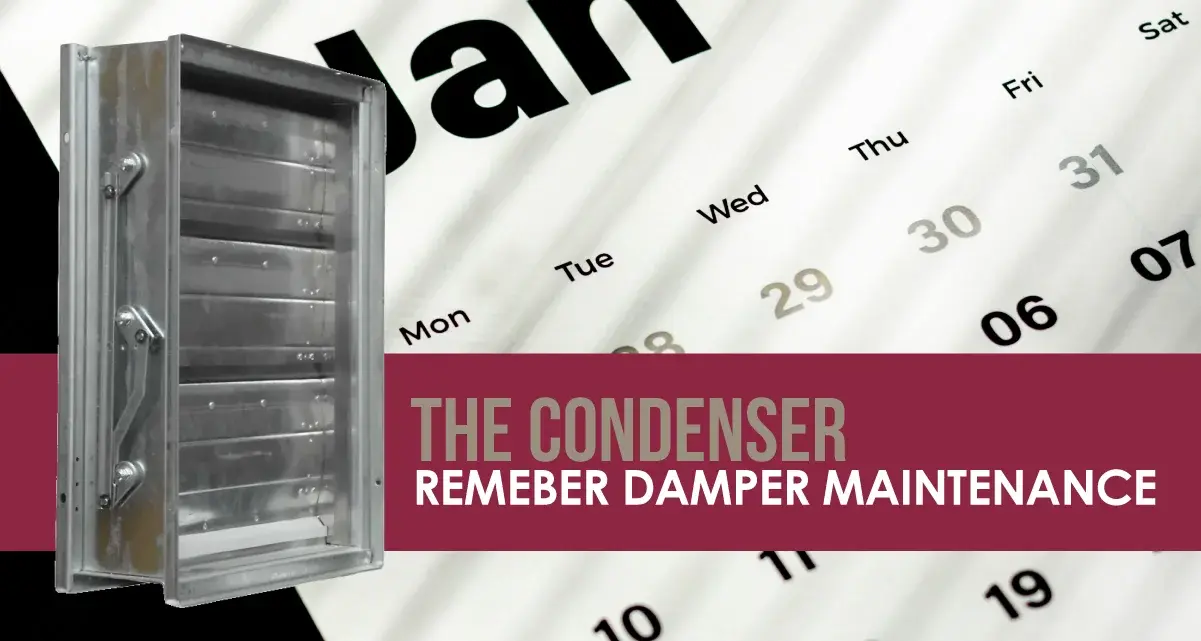
Did you stick to your damper maintenance schedule? Take a few minutes and read why maintaining dampers is important.
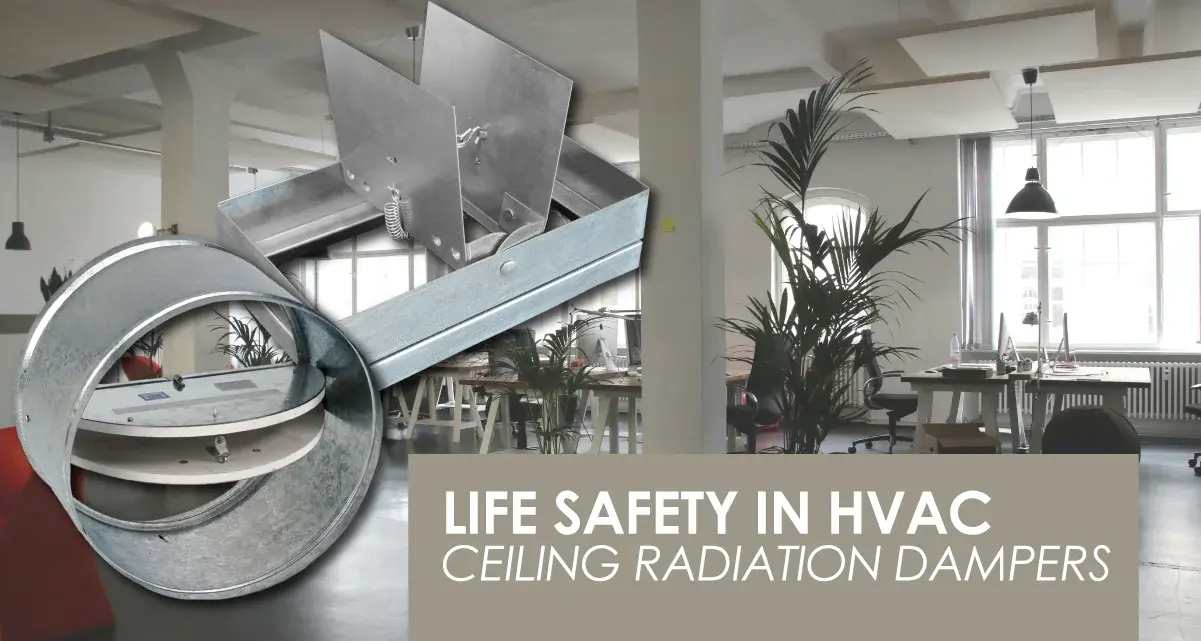
What are ceiling radiation dampers? How do they work? Why are they important for your building? In this article, we will discuss how CRDs (ceiling radiation dampers) fit into the fire response in your HVAC system.
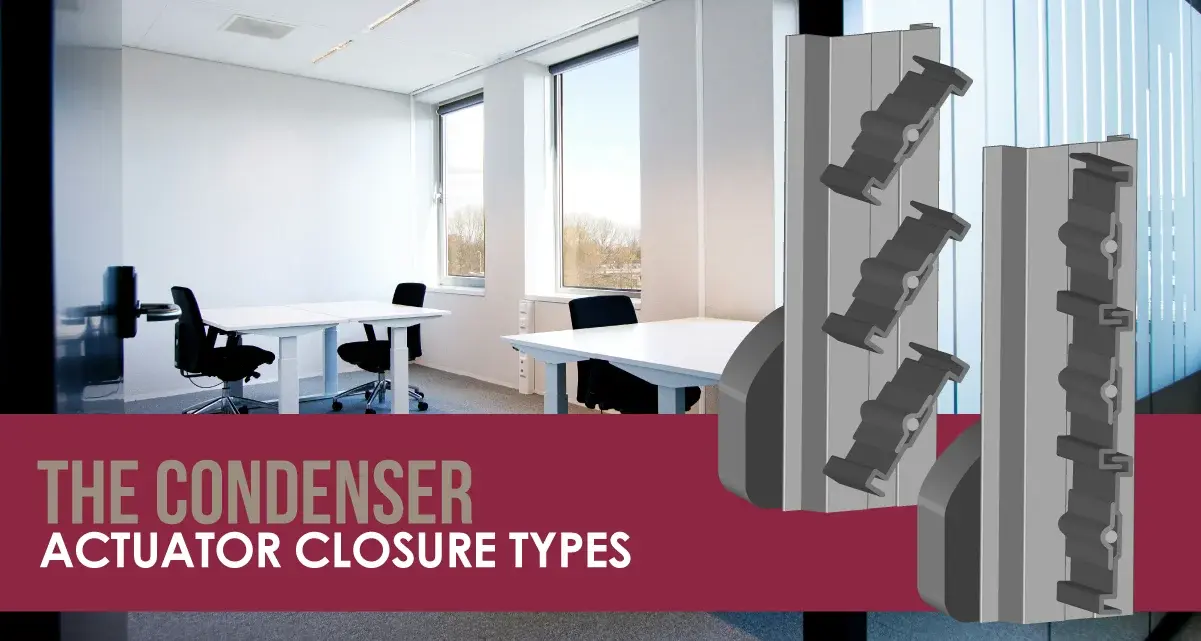
What does “spring closed” mean? In this Condenser, we will explore the various closure types for air control and life safety dampers. Learn more on the Newsstand.
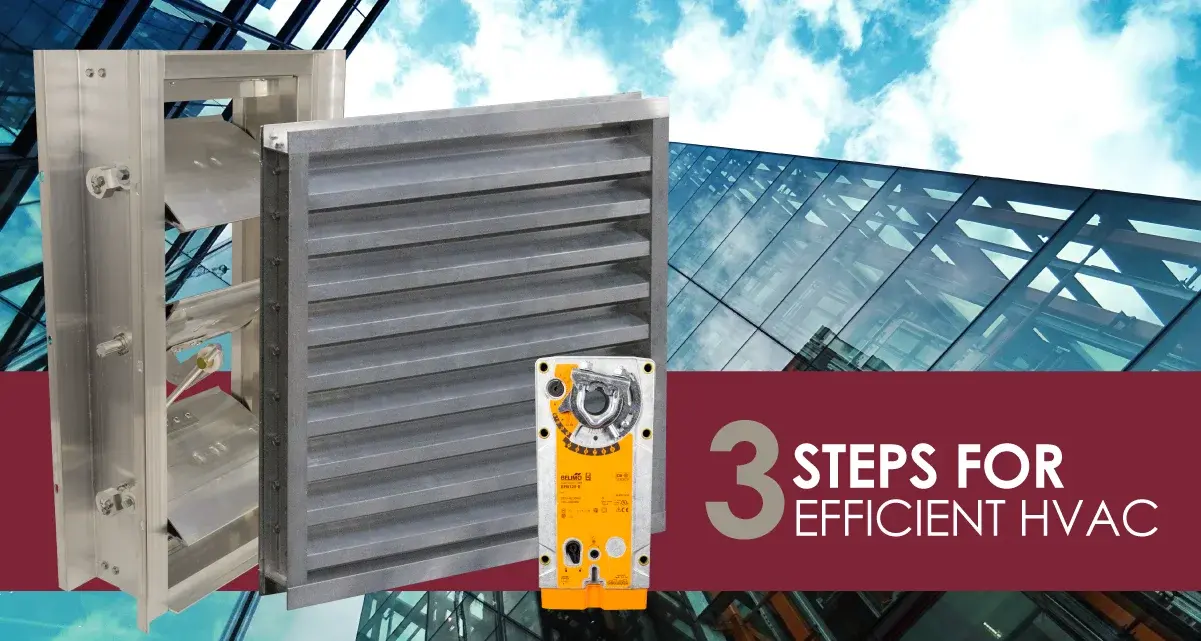
Looking to design an efficient HVAC system? Here are three steps you can take with your louvers and dampers. Read more about HVAC on the MCDLG Newsstand.
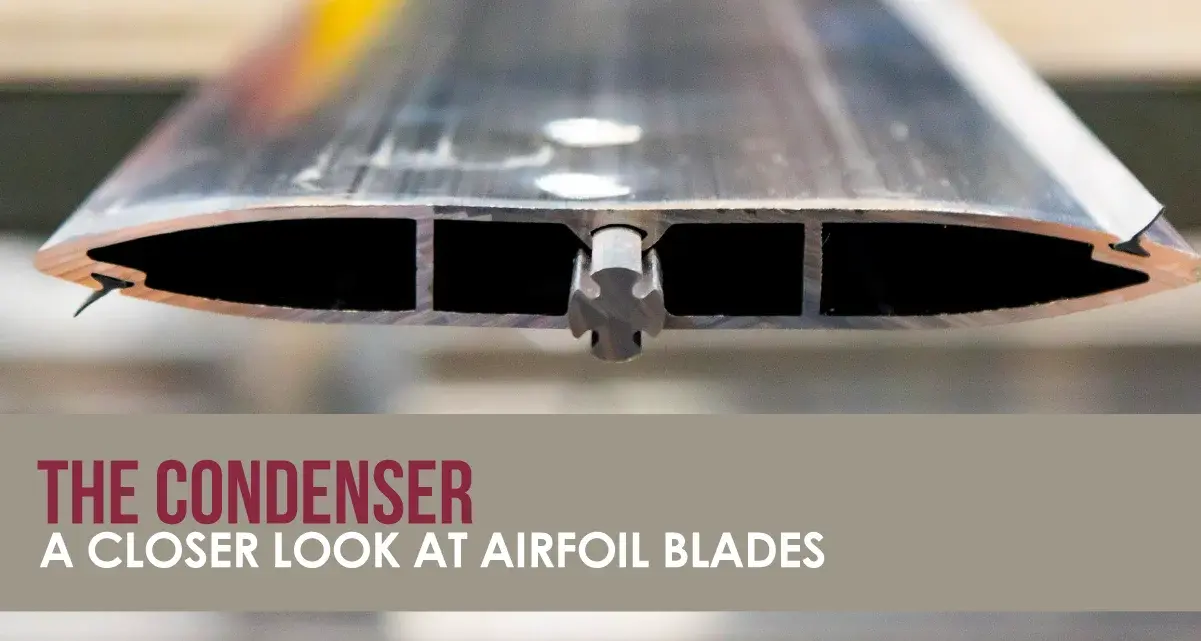
Airfoil blades are designed for airflow. Learn more about their design in this quick Condenser read. The MCDLG Newsstand has you covered.
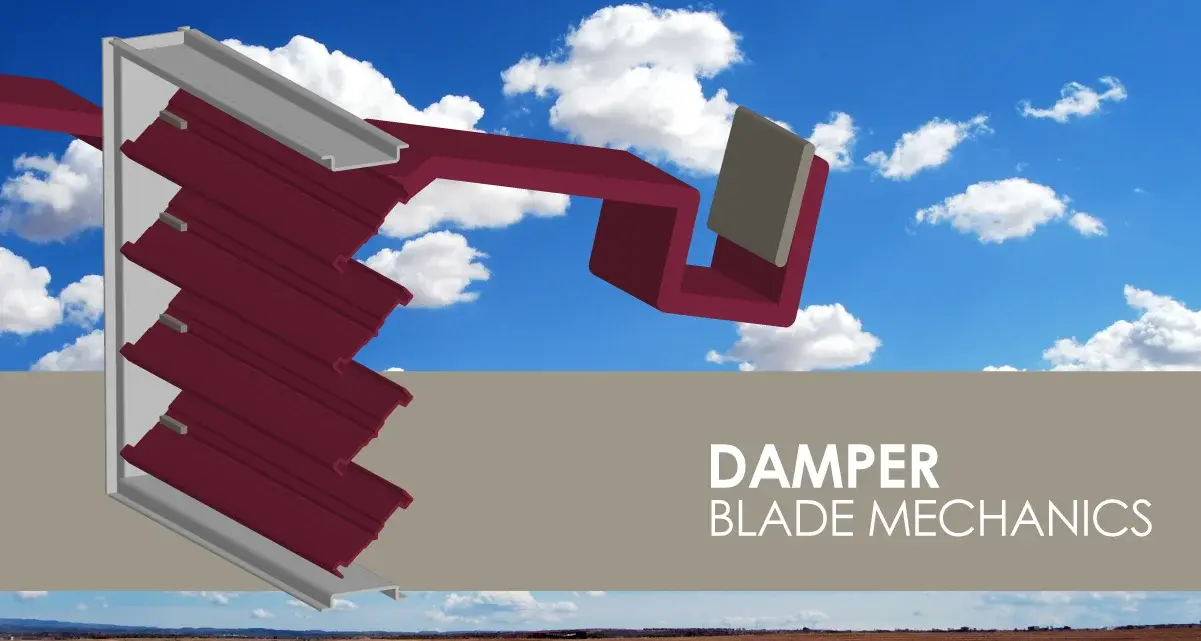
Dampers rely on their blades to control airflow, balance air pressure, and do what needs to be done in your HVAC system. Here are the ways damper blades work in your HVAC system.

Balance is important in an efficient HVAC system. Take a closer look at balancing dampers on the MCDLG Newsstand.
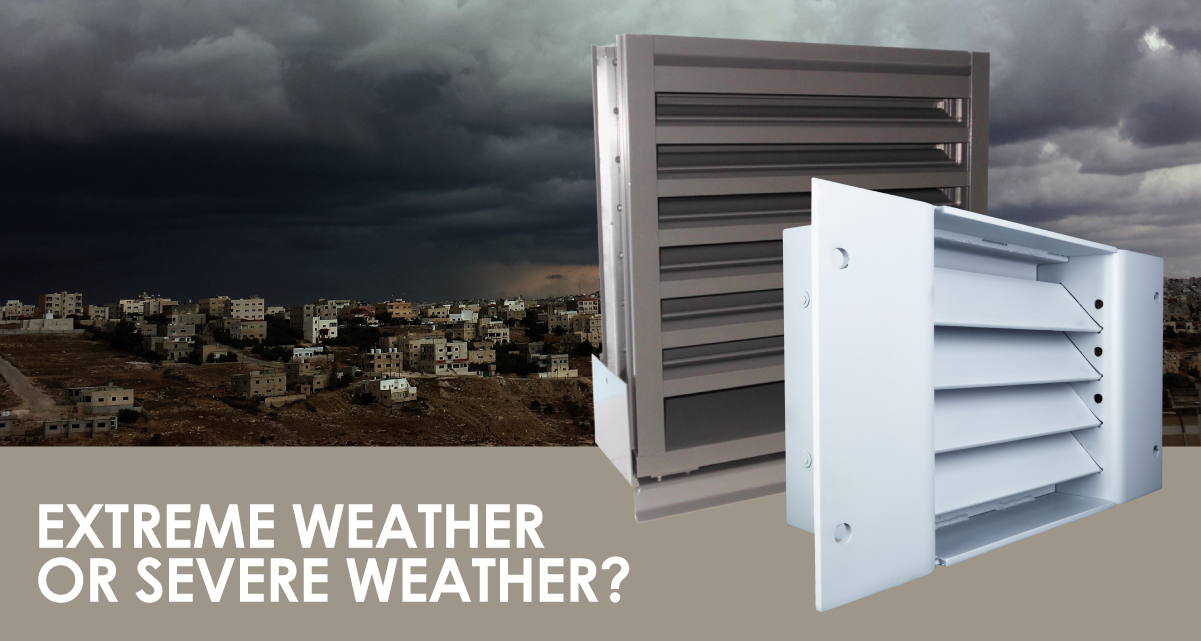
Extreme weather or severe weather? Which type of protection do you need? Learn the difference between these two louver types and when to use them. The Newsstand has you covered!
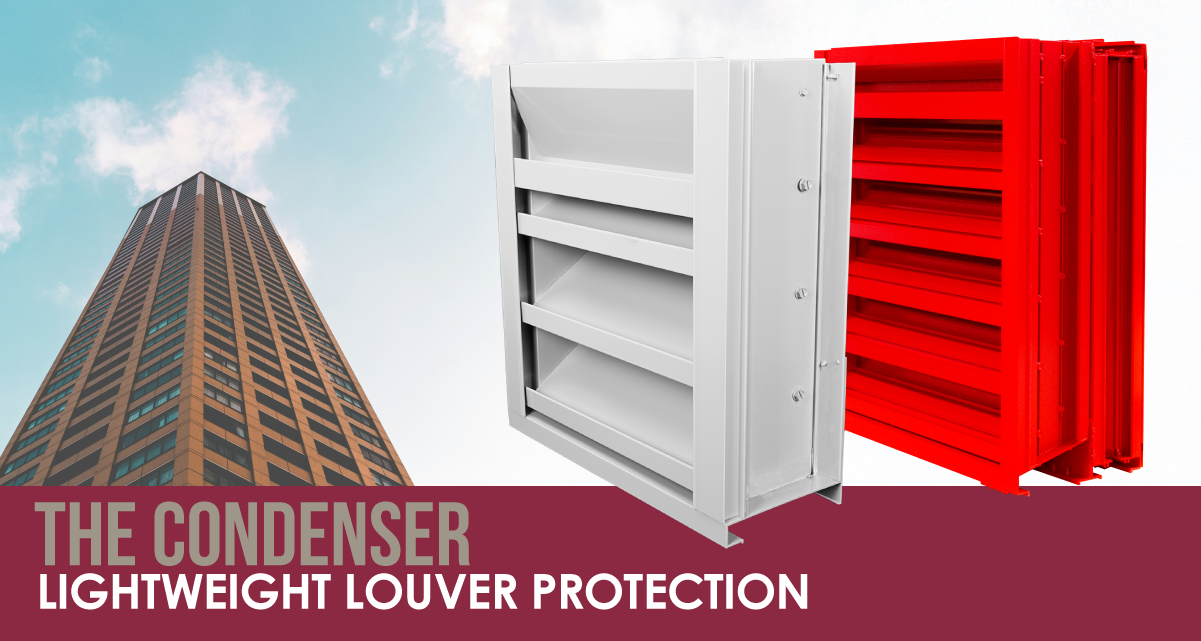
Lightweight louvers are there for situations that don't need a severe weather louver. Learn more about louver protection in this quick Condenser read.
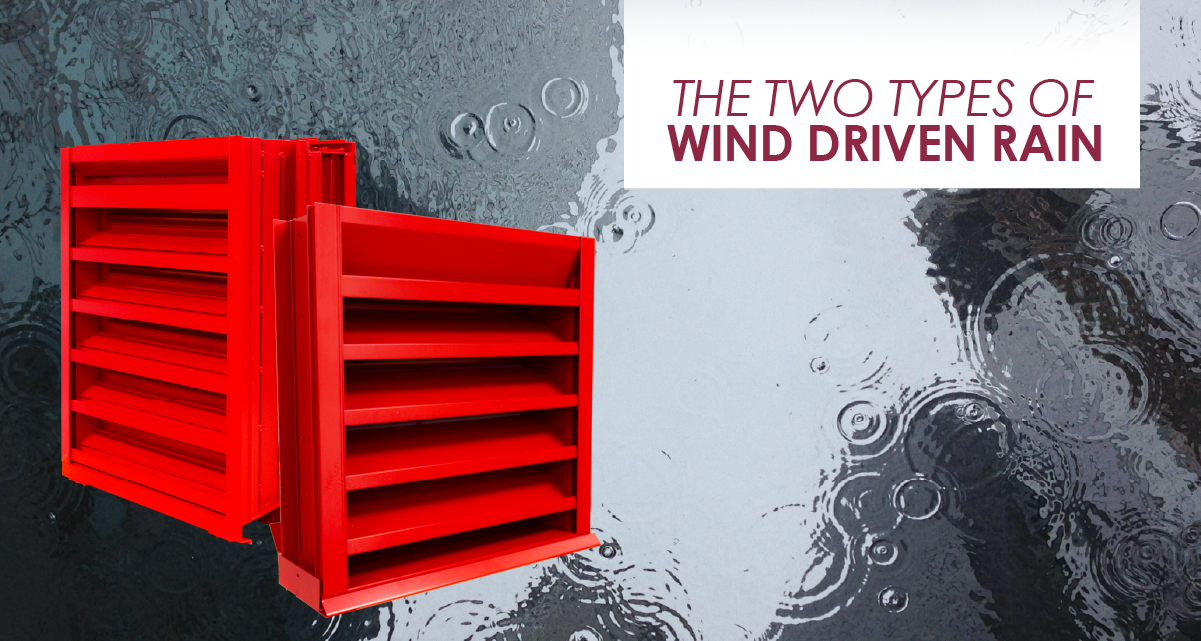
Do you need a wind driven rain-rated louver or an AMCA 550-listed louver? There are two types of wind driven rain. Learn the difference with the MCDLG Newsstand.
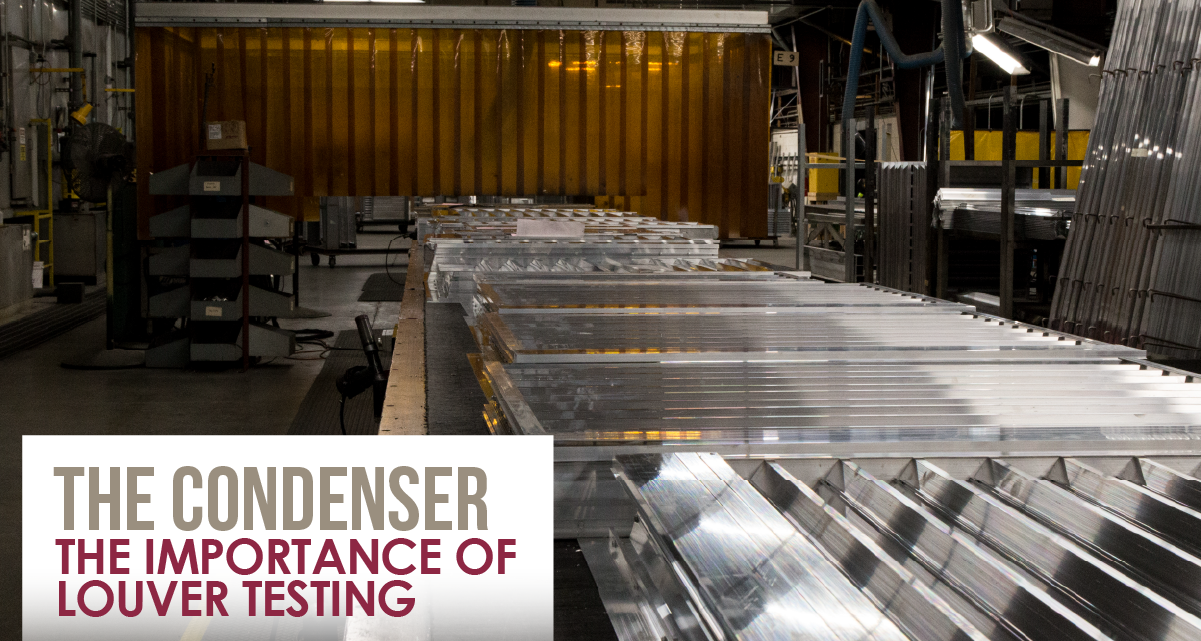
You should know the capabilities of your louvers before you install them. Learn the importance of louver testing with this quick Condenser read.
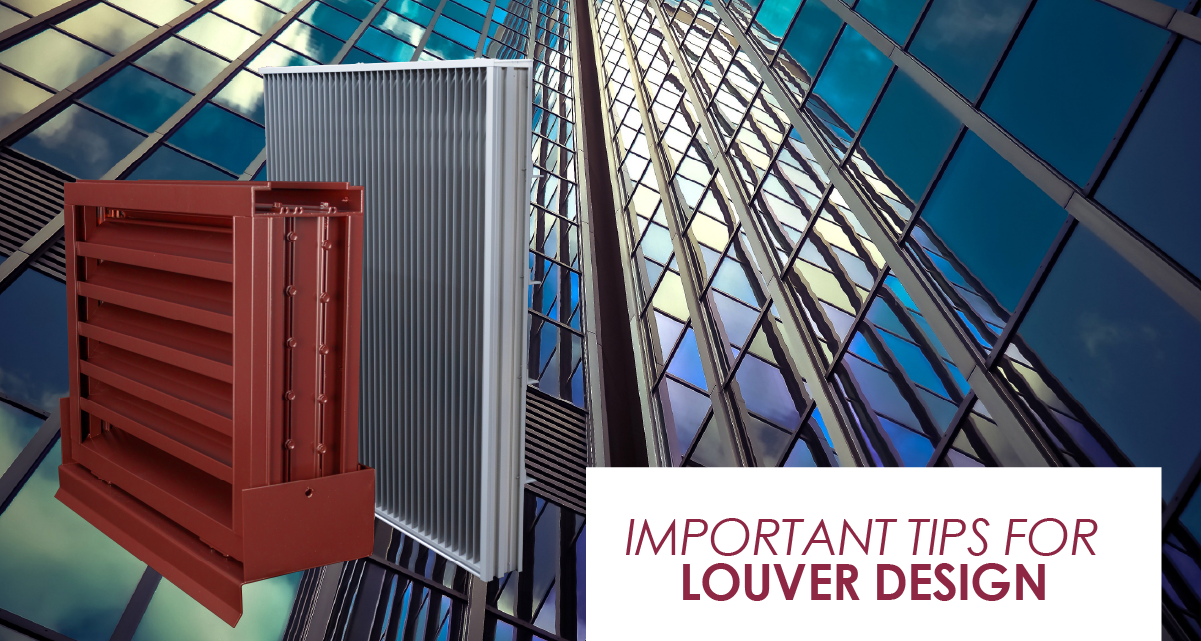
Need tips on louver design? Here are few pointers from the MCDLG Newsstand. Learn to design louvers that meet requirements with this article.
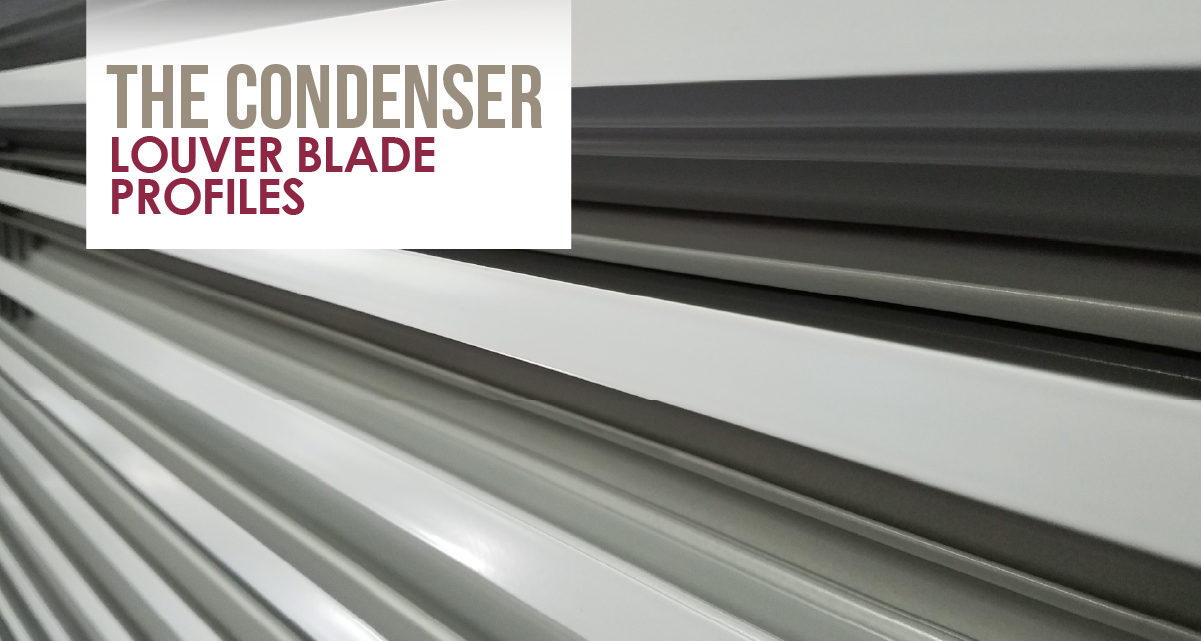
Blade profile refers to the shape of the blade, including features like catches and drain channels. Check out this quick read on louver blade profiles.
HVAC systems are a complex network of ducts and equipment. How do dampers fit in? Learn how to choose dampers for your HVAC ductwork with the Newsstand.
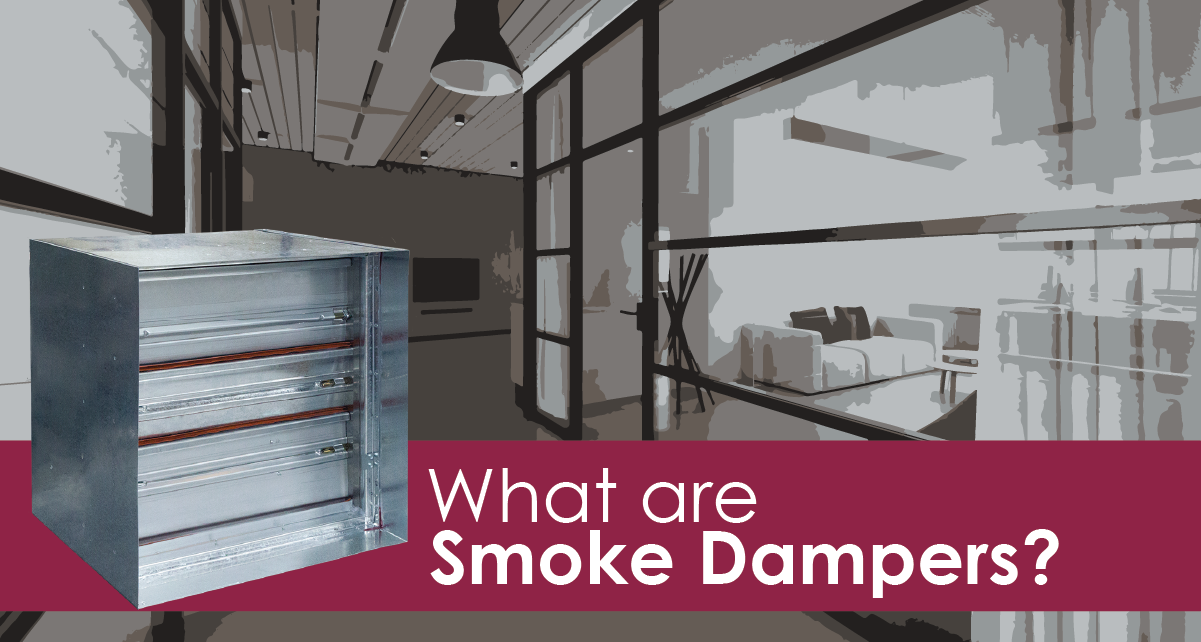
What are smoke dampers? Learn how these life safety dampers keep occupants safe during an emergency. Stay informed with the MCDLG Newsstand.

Storm shelters and FEMA safe rooms require advanced protection. They need louvers and components tested under FEMA P-361 and the ICC 500. Learn more about these standards in this article.
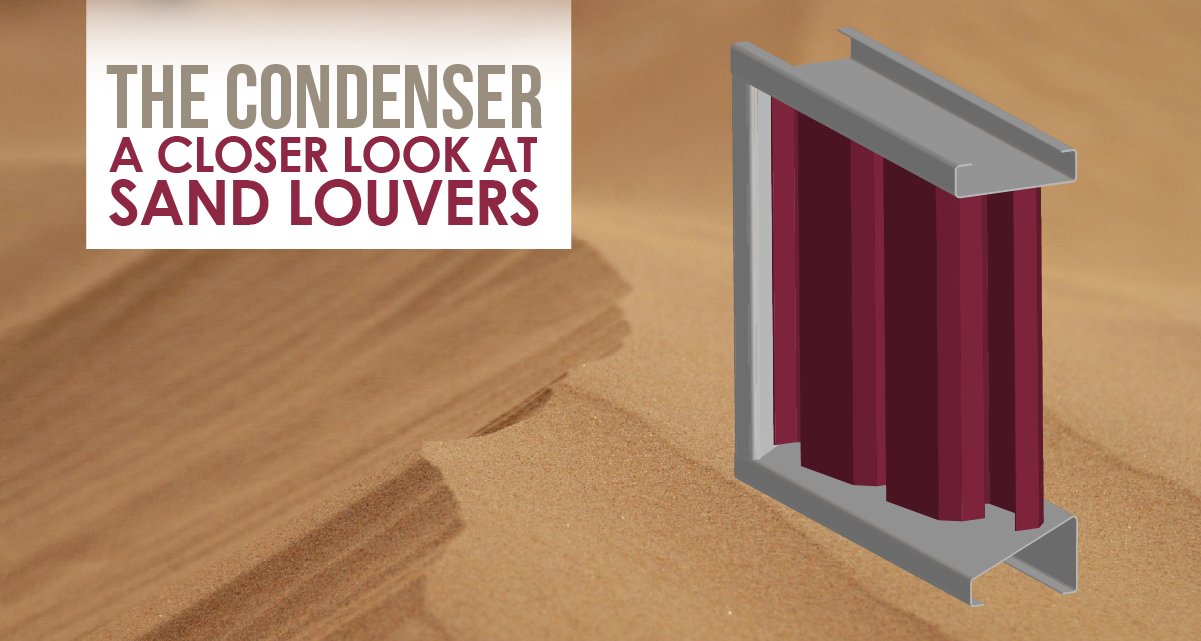
Is sand infiltration an issue for your project? Learn how sand louvers can help protect your HVAC system in arid climates. The Condenser is short reads on important HVAC topics.
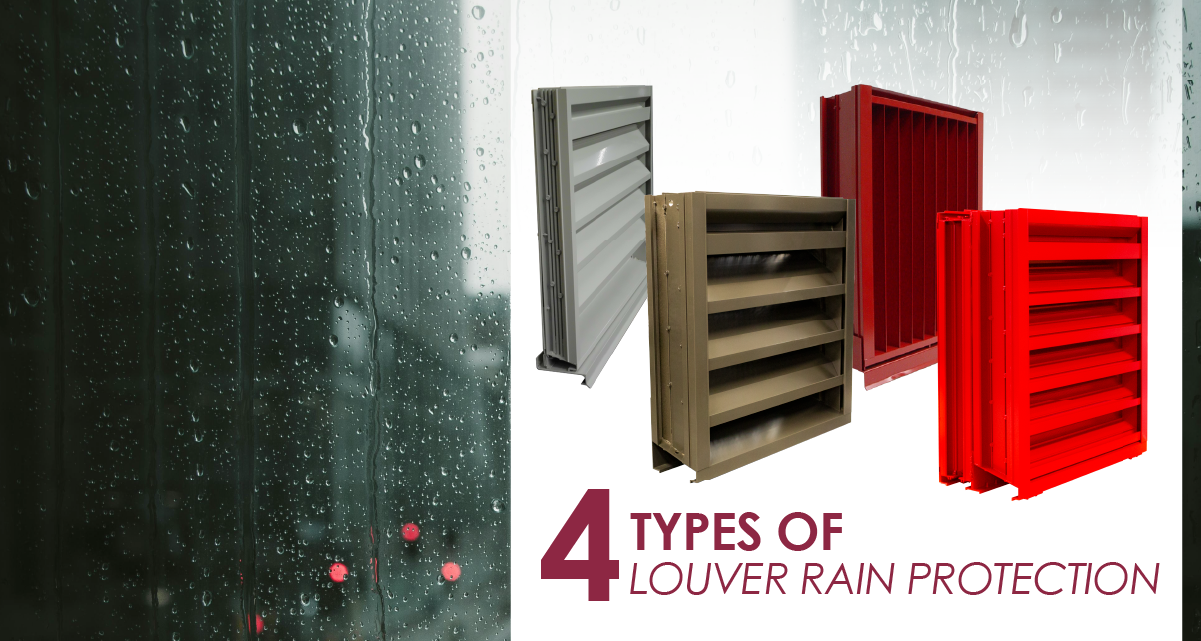
Louvers protect openings from rainfall, but certain louvers fulfill separate requirements. Learn more about four types of louver rain protection on the MCDLG Newsstand.
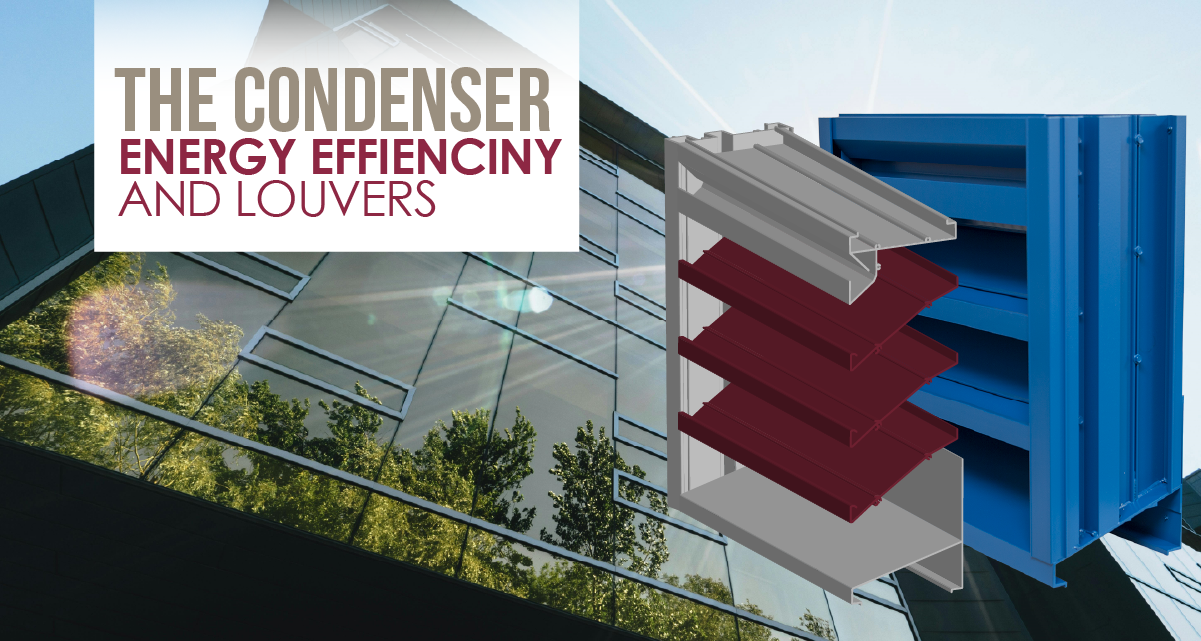
An efficient HVAC system contributes to overall energy efficiency. Learn how louvers can help save power in this Condenser article.

Indoor air quality is critical in HVAC to keep spaces comfortable and healthy. Here are three simple steps you can take to improve the IAQ in your HVAC system.
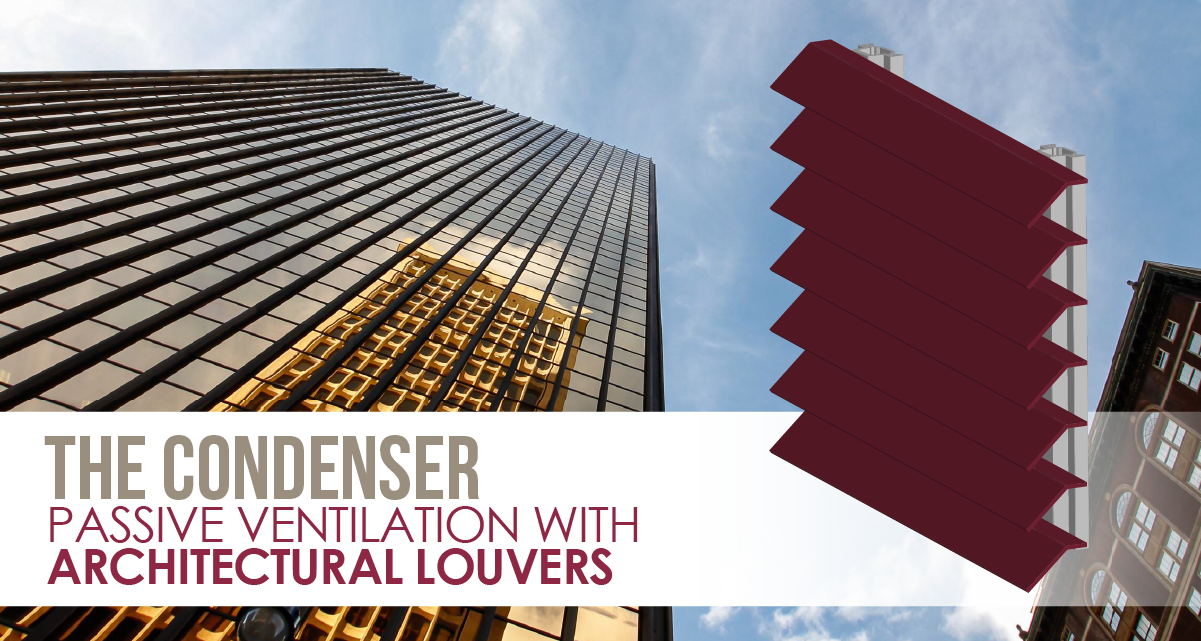
Let the wind do the work without exposing occupants to the elements. Provide passive ventilation and protect outdoor spaces with lightweight architectural louvers. Learn more on the Newsstand.
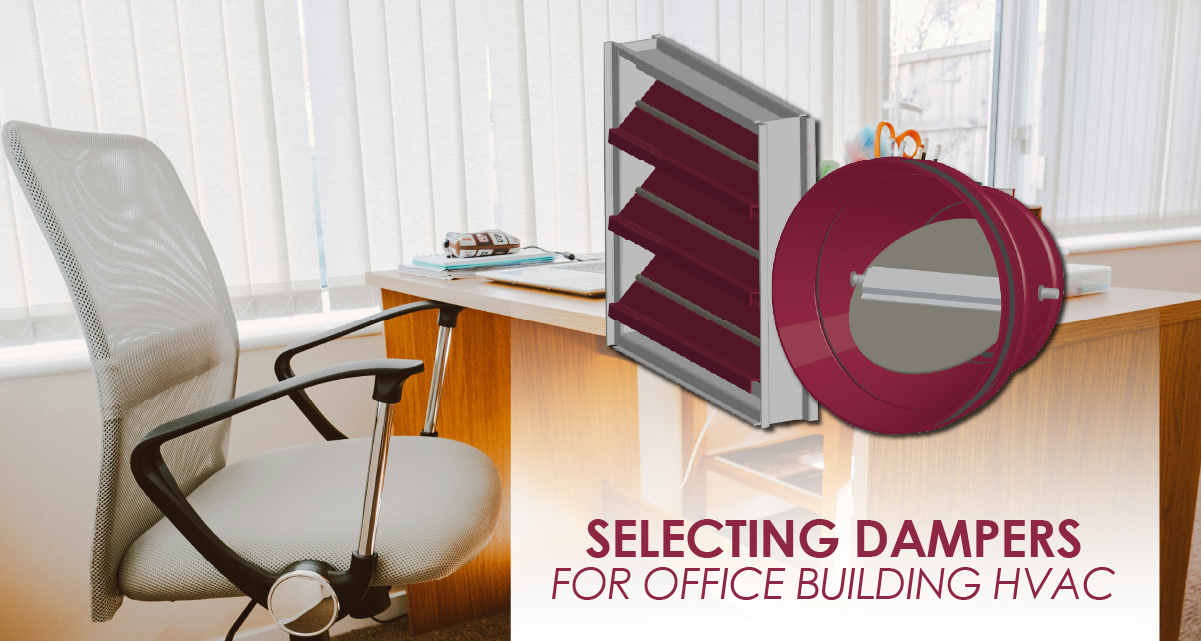
Office buildings will have many zones that will have different airflow needs throughout the day. Keep air moving through your office with these dampers.
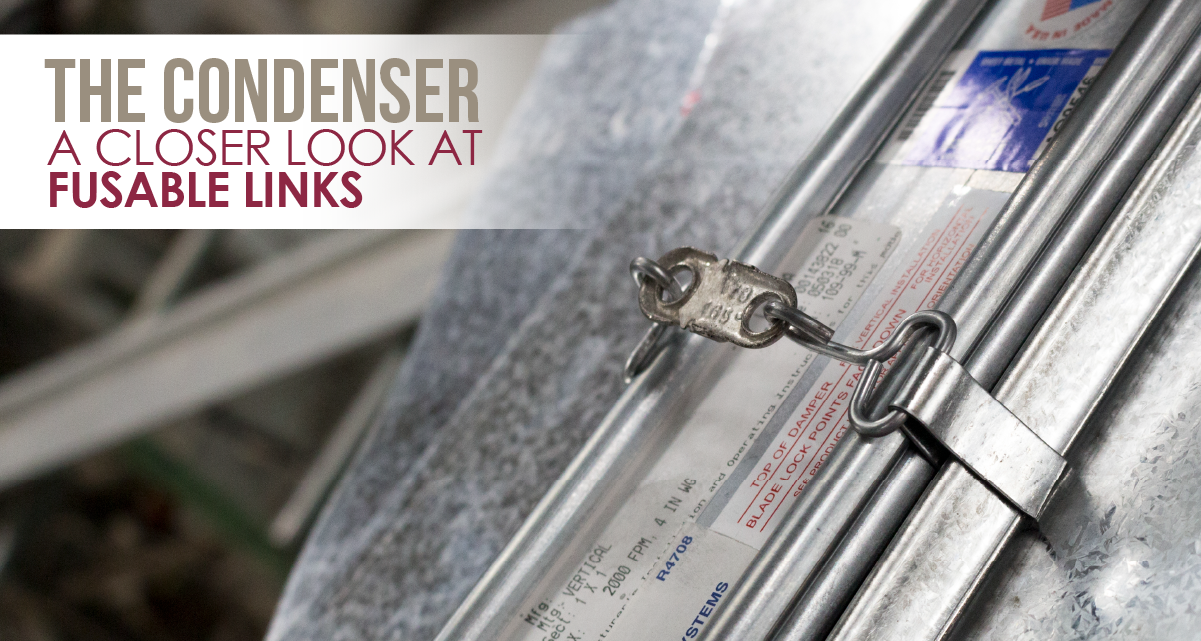
Fire dampers need to close at a moment's notice, even if there is no power in the building. Learn how fusible links help them close in this quick Condenser read.
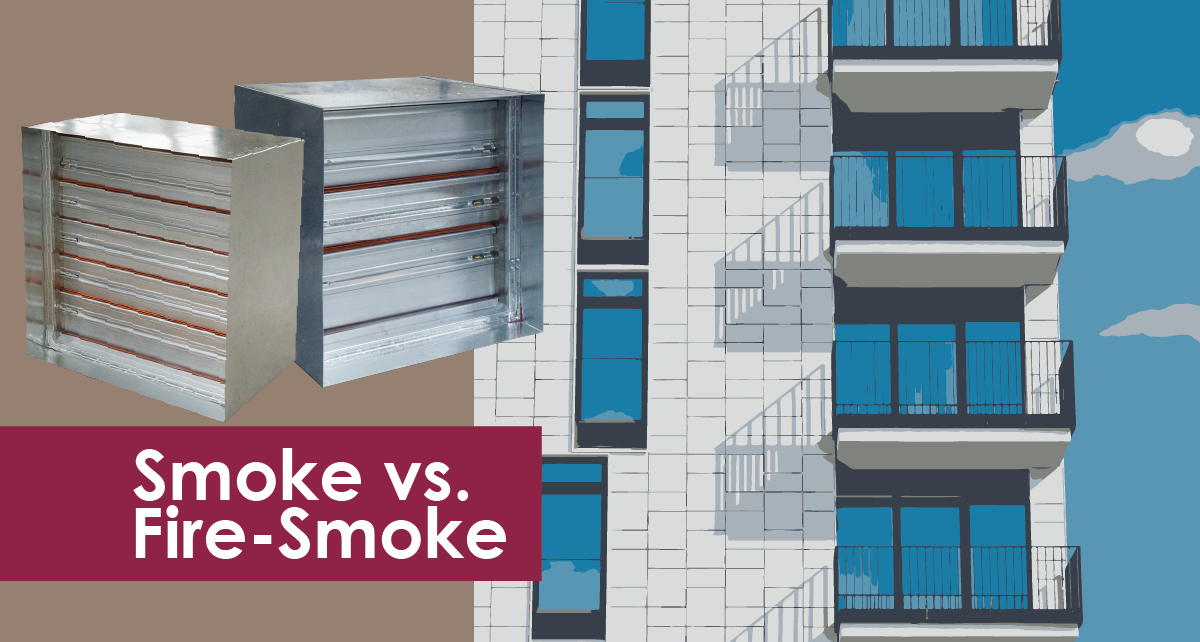
Two dampers can fulfill your requirements for smoke control. But which is better? Learn the difference between smoke dampers and fire-smoke dampers in this Newsstand article.
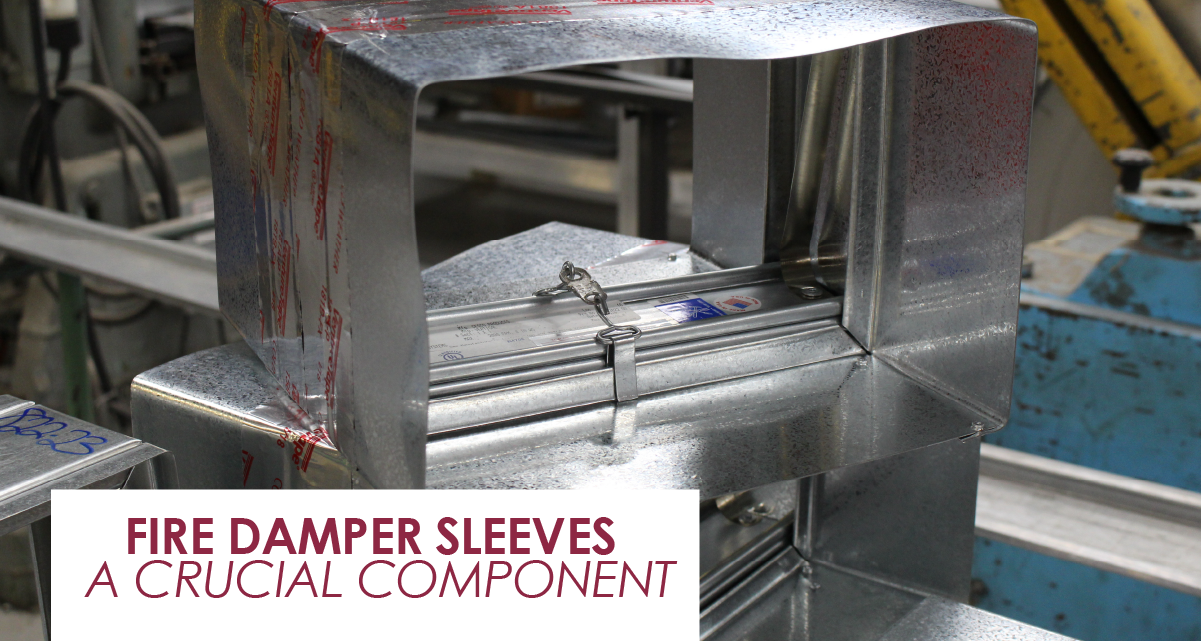
Fire dampers sleeves are required for every fire damper and fire-smoke damper. Learn more about these crucial components with the MCDLG Newsstand.
A lot can happen during a fire. Debris can fall and ducts can fail, but your fire dampers need to stay in place to keep the fire barrier intact. Breakaway connections help. Learn how in this article.
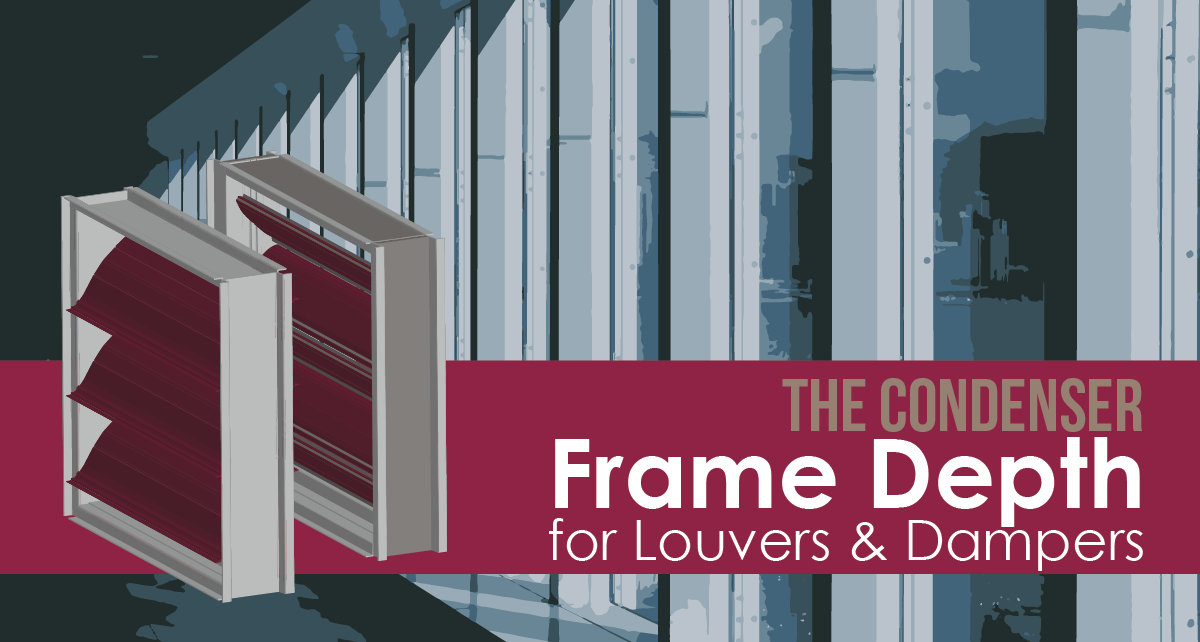
How does frame depth factor into louver and damper design? What does it mean for your HVAC project? Learn the basics of frame depth with this quick Condenser article.

Smoke dampers have temperature ratings. Learn what the temperature rating means and the tests involved in determining a smoke damper's rating with this quick Condenser read.
Zone control dampers help you divide the workload for your HVAC system. Learn how compartmental design can keep your system efficient, no matter the size.

Every fire damper and fire smoke damper will have a fire resistance rating. What does the rating mean? Learn about the tests and standards with this quick Condenser article.

Your building should be protected throughout the year, whether it rains or shines. MCDLG can help you find the right storm louvers for your project. Learn more on the Newsstand.
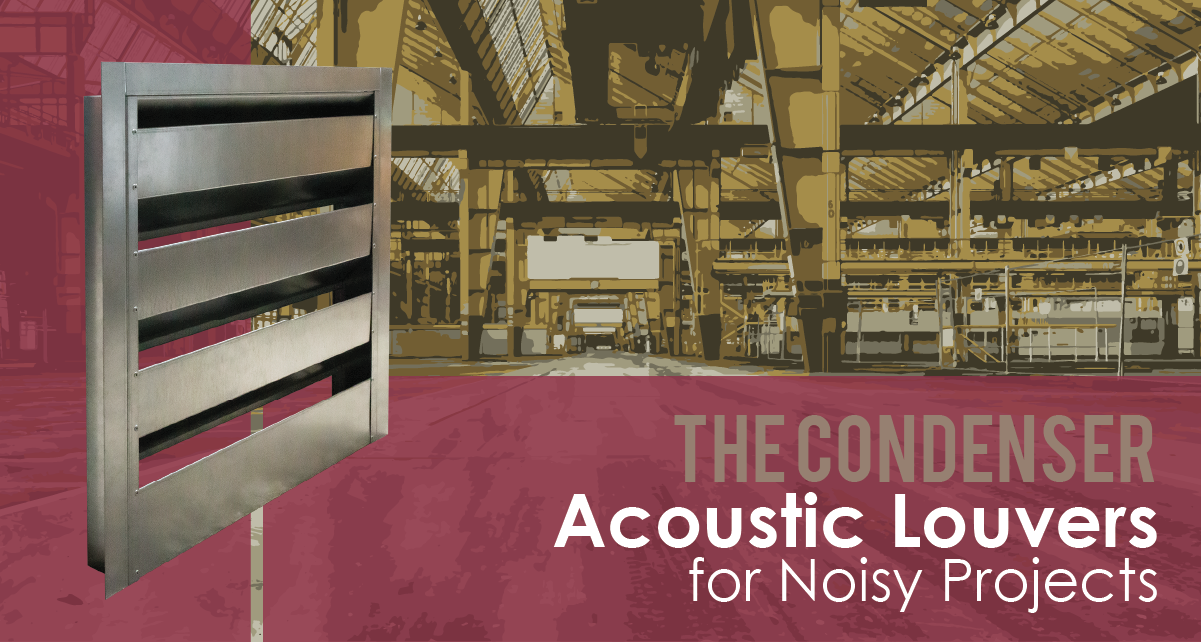
Acoustic louvers help lower the volume on loud equipment. Learn how these louvers work with this quick Condenser article.
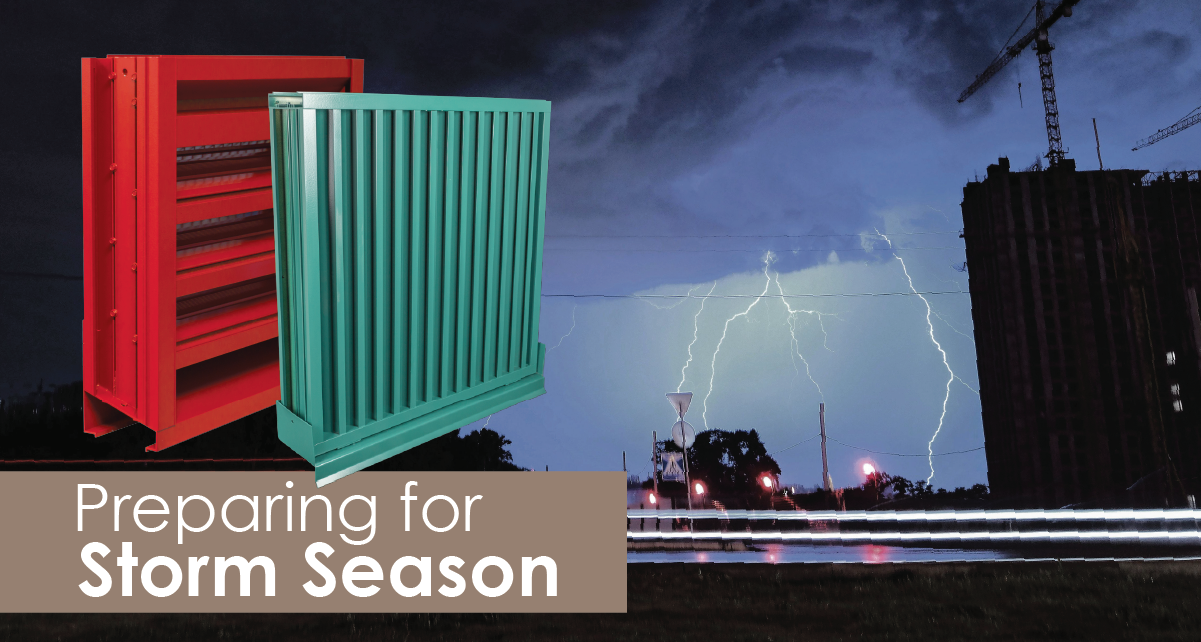
Prepare your project for storm season with louvers built for protection. In this article, we cover five types of louvers designed and tested for severe weather.
Louvers often focus on protection, but air performance is also important for system efficiency. Keep air moving freely with ventilation louvers. Learn more on the Newsstand.
Your project has problems that louvers can fix. Keep air intake openings dry and provide air for large spaces. Solve problems with the right louver.
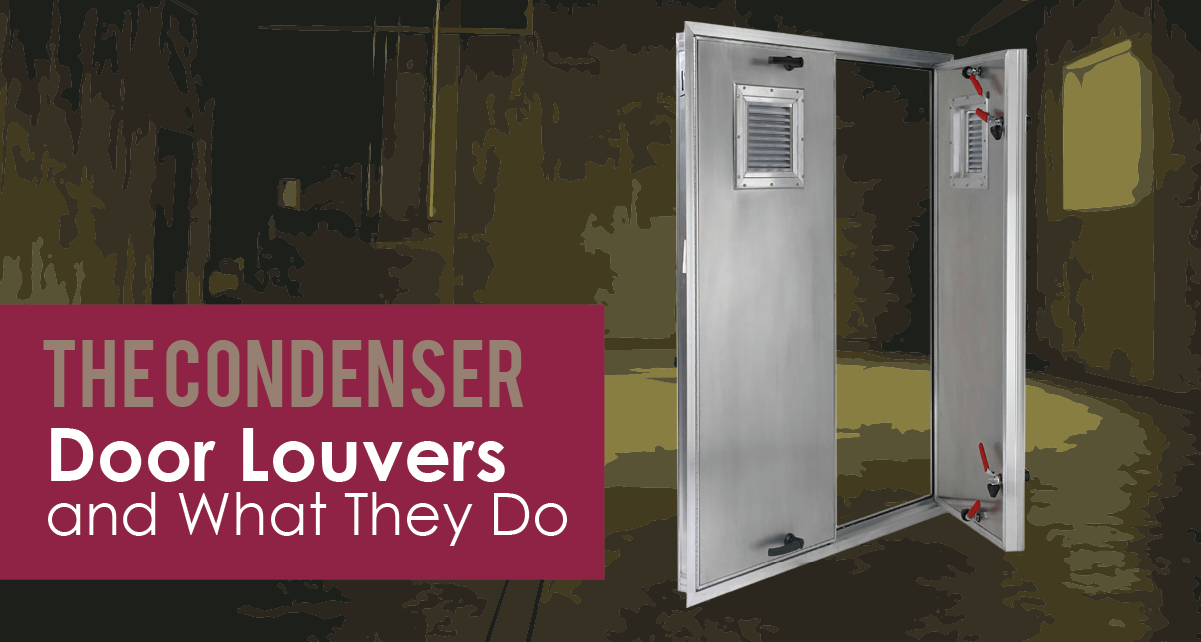
Ever wonder why some doors have a louver installed? These louvers can create new paths of airflow and improve ventilation. Learn more about door louvers with the Condenser.
.webp)
Louvers don't have to get in the way of your designs. Learn how they can be part of the architectural aesthetic. Read more for the full story.
.webp)
Ever wonder why certain hurricane louvers are Miami Dade louvers? Learn what it means for a louver to be Miami-Dade Approved in this Condenser article.
.webp)
Need roof louvers? Your project may have ventilation points on a flat rooftop. Protect these points with penthouse louvers. Learn more on the Newsstand.
.webp)
Louvers can go anywhere. They can even be installed in a window with the right accessory. In this Condenser, we look at glazing adapters and how they work.
Looking to add dampers to your ducts? You will need to consider a few things first. Learn what to consider when installing dampers in ducts with this Condenser article.
.webp)
You have a few options to think about when choosing fire dampers. Multi-blade or curtain? Static or dynamic? How many hours of fire resistance? Learn about your options on the MCDLG Newsstand.
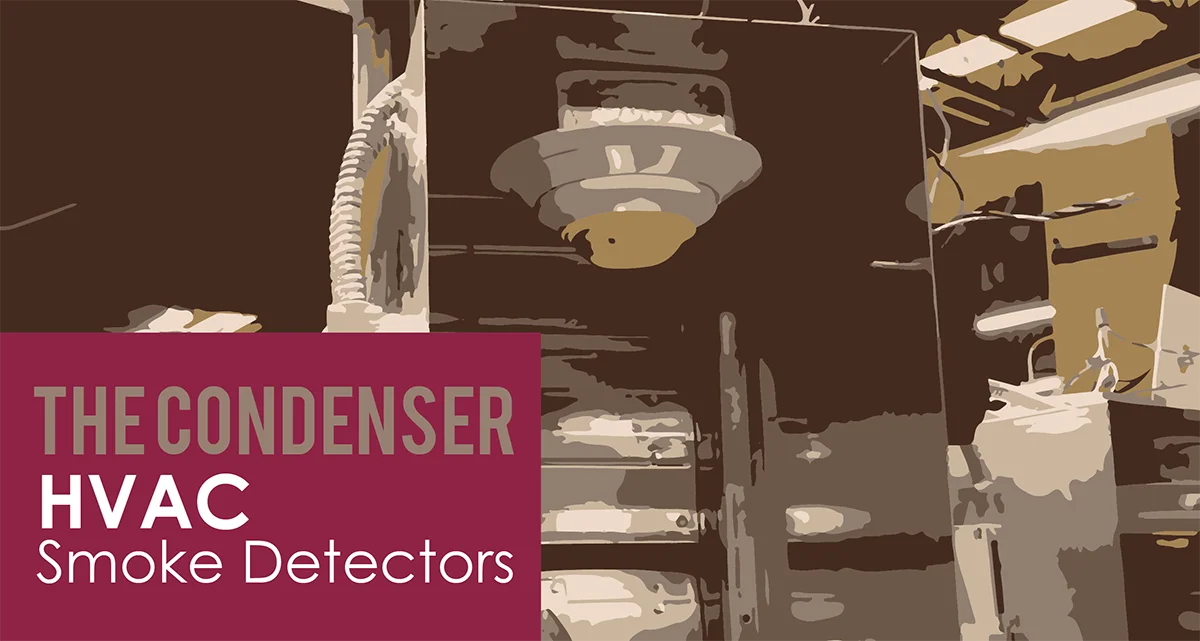
Smoke dampers need the means to react quickly to the presence of smoke. Learn how HVAC smoke detectors work, and what to look for when choosing one, with the Condenser.
Fire dampers and smoke dampers are passive fire protection devices installed in your HVAC. These dampers hinder the spread of fire and smoke, buying valuable time for the building's occupants.
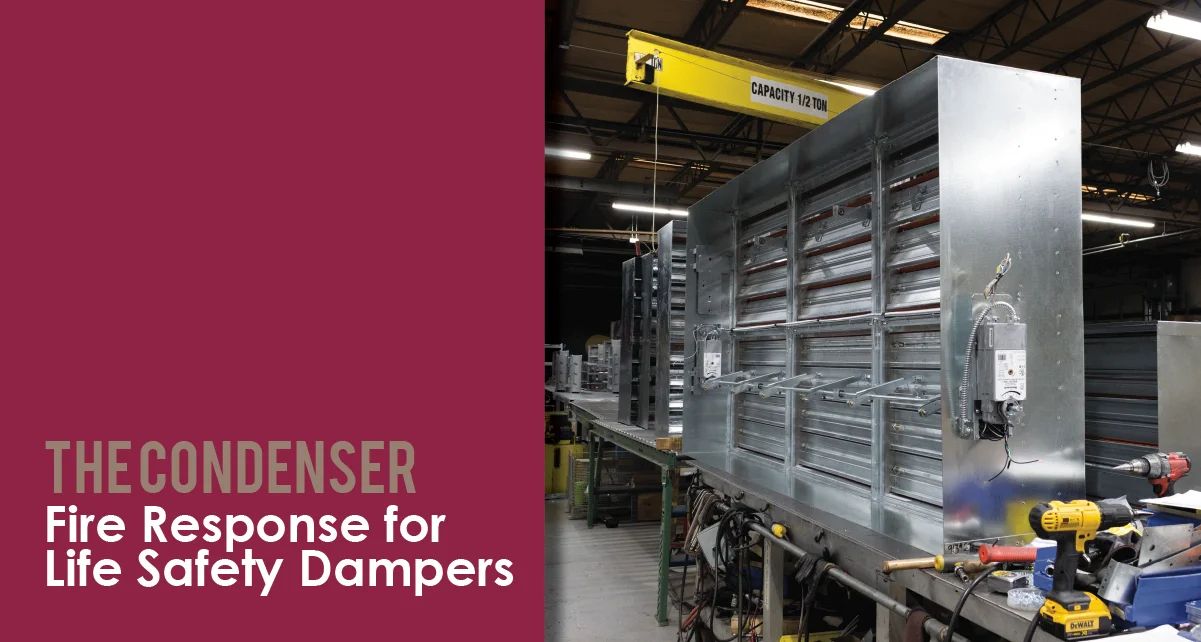
Fire dampers must react quickly to a potential fire event. Learn about fire response in HVAC with this quick Condenser article.
.webp)
What is a fire damper? A fire damper is a damper that closes off penetrations in fire-rated barriers. Learn more about fire dampers in this Newsstand article.
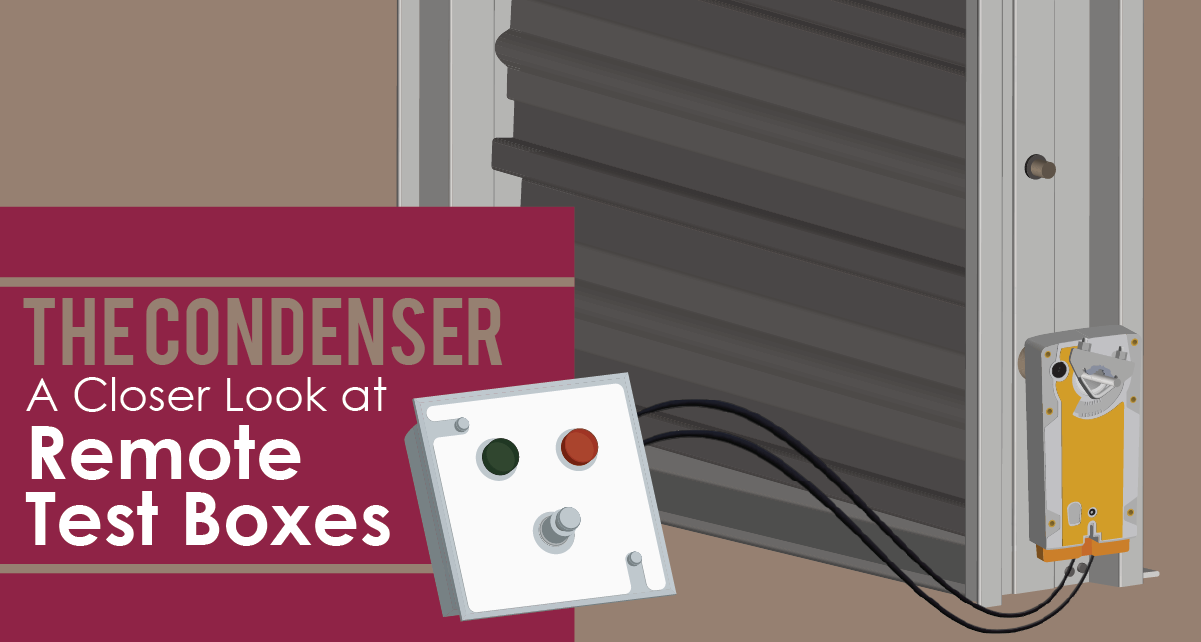
Remote test boxes allow easy testing of dampers with electric actuators. Keep your dampers in working order with the right equipment. Read all about it in this Condenser article.
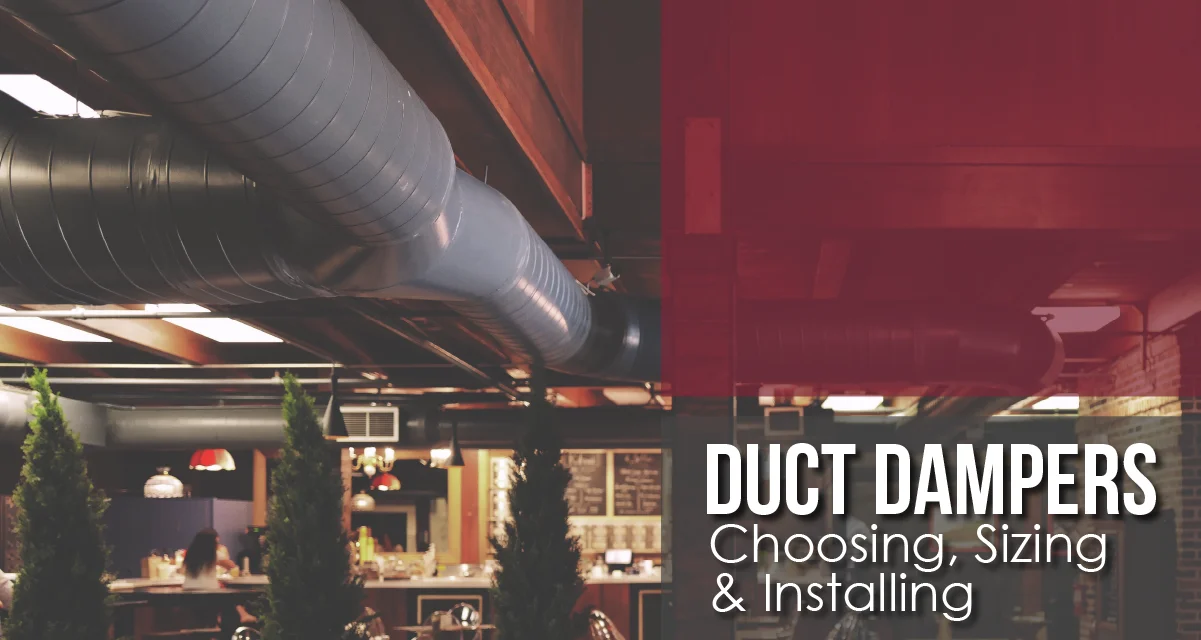
Duct dampers keep air moving through your HVAC system. Learn how to choose, size, and install them in your ductwork on the MCDLG Newsstand.
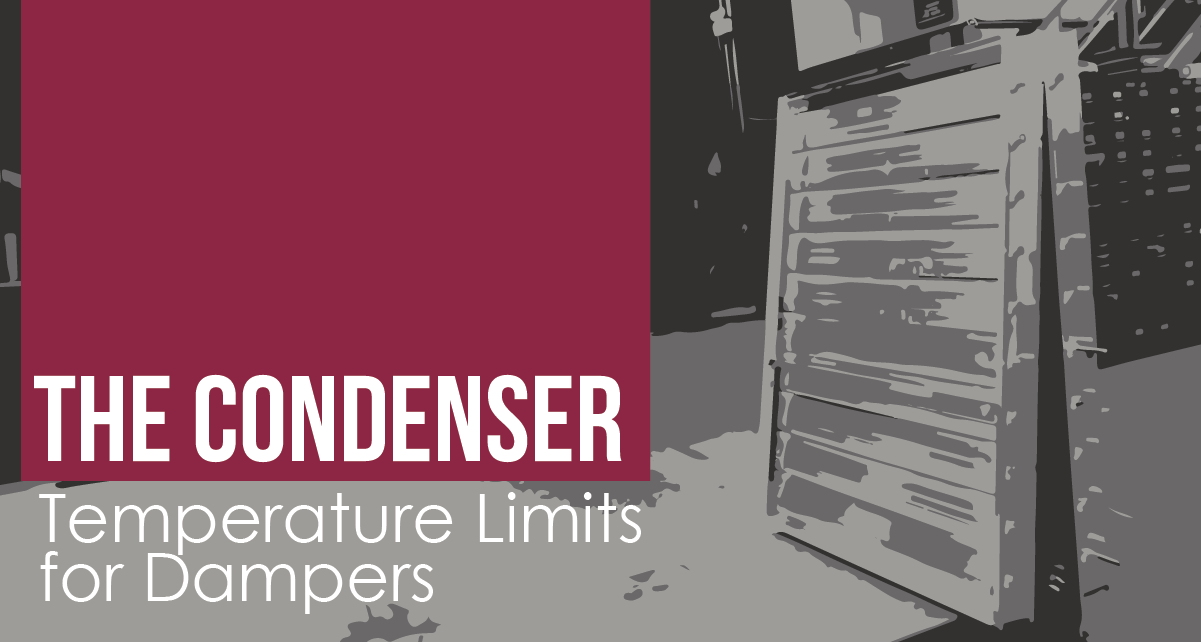
Dampers operate safely within a temperature range, known as the temperature limit. Too hot, or too cold, and the damper may not open. Learn more with this quick Condenser article.
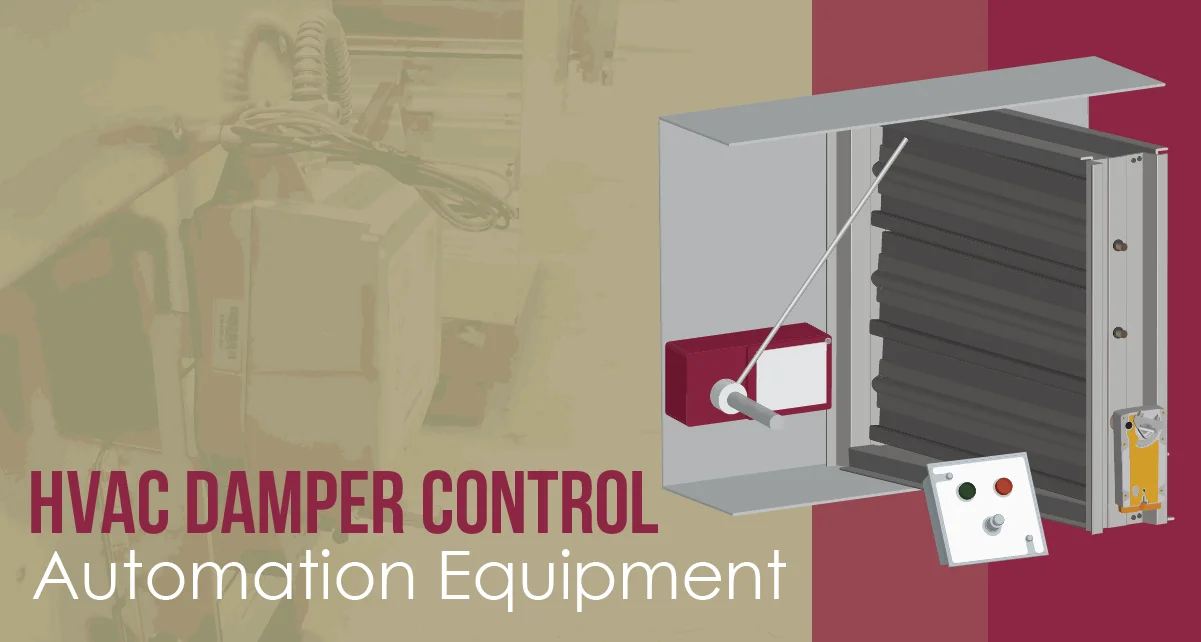
Take control of your HVAC system with automated control dampers. Learn how the right equipment can give you full HVAC damper control. Read all about it on the MCDLG Newsstand.
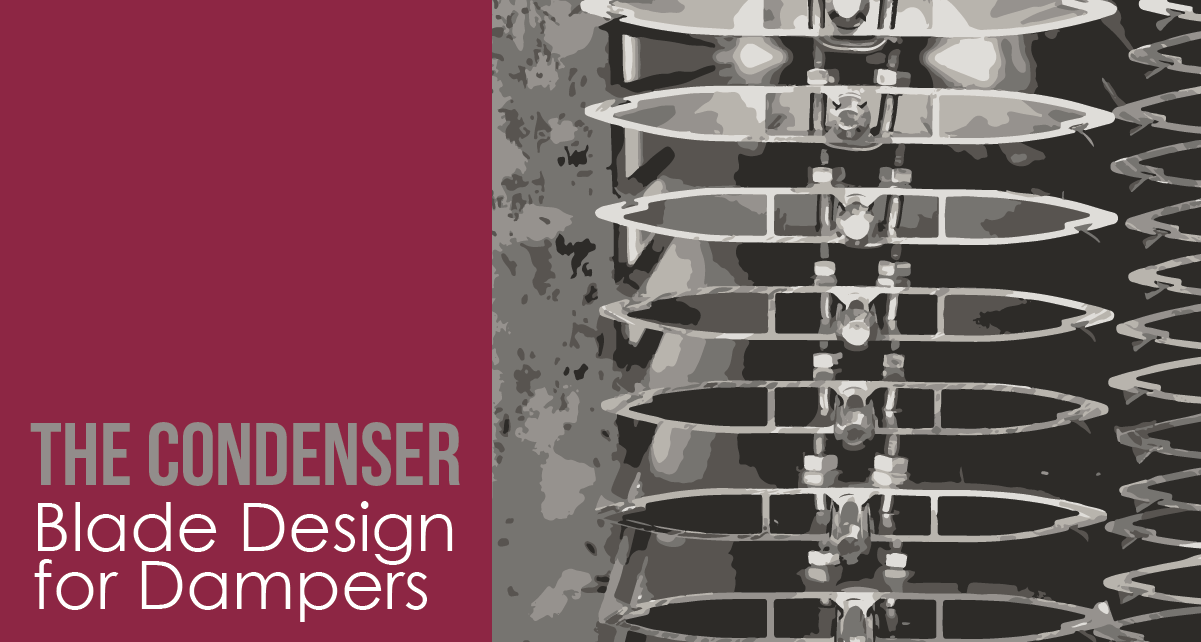
Blade design is important for air control dampers. Learn three blade features to consider when looking for HVAC dampers. Learn more on the MCDLG Newsstand.
HVAC systems need to keep air moving, but the required equipment comes at an unexpected cost. Read more about pressure drop in HVAC on the Newsstand.
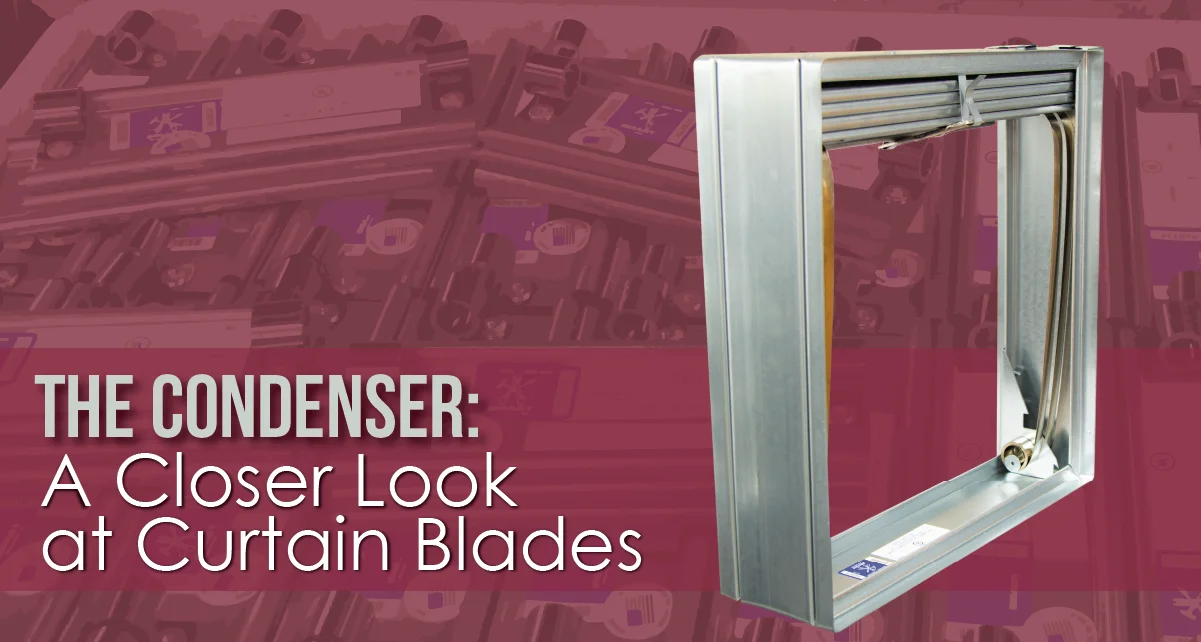
Curtain blades are designed to close off a damper during a fire event. Take a closer look at these damper blades, and learn how they work, with the Condenser.

Block sight lines and establish a secluded area with louvers and screens. Learn more about these privacy-centric assemblies on the MCDLG Newsstand.
.webp)
How do you get that louvered look without a frame? Vertical blade supports. Learn more about these blade supports with this quick Condenser article.
.webp)
Each finish adds style to your unit and a layer of protection. Learn how various finishes are applied and how they protect with the MCDLG Newsstand.
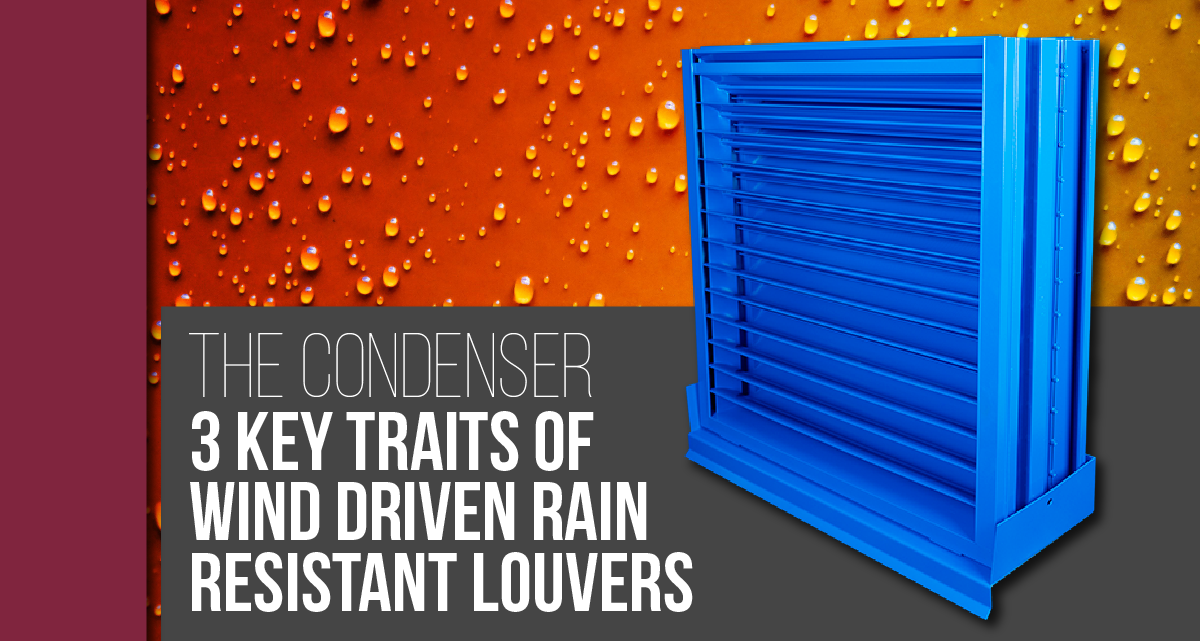
What makes a wind driven rain resistant louver? Here are three key traits to look for when choosing louvers for wind driven rain resistance. The Condenser is quick reads on important HVAC topics.
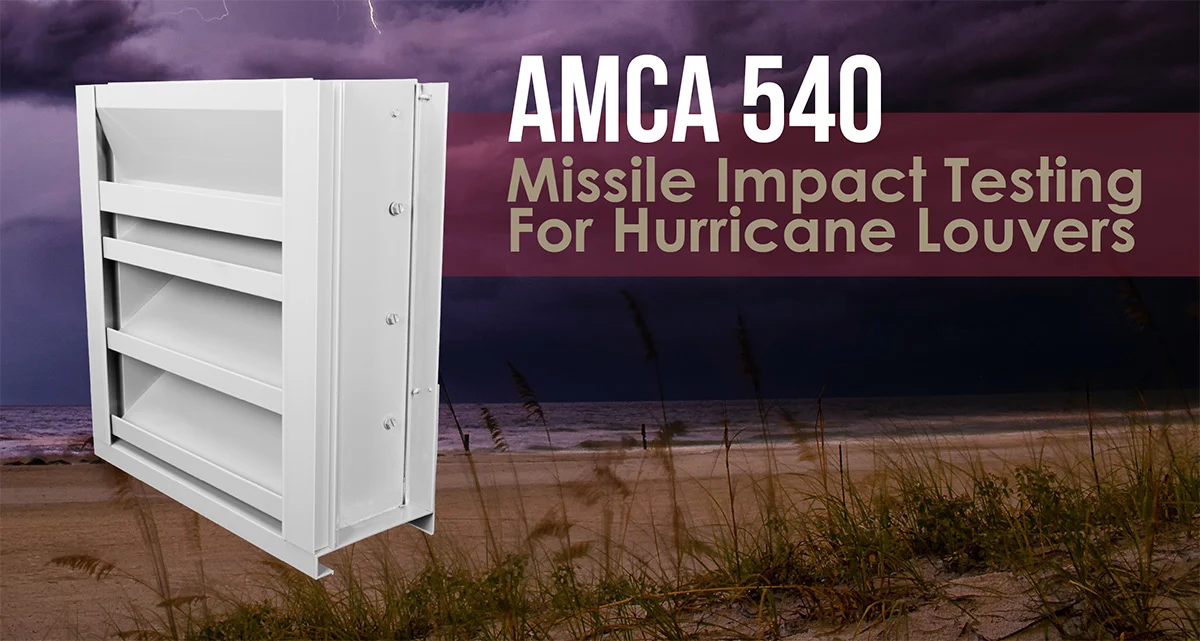
Hurricane louvers must withstand strikes from windborne debris. AMCA 540 is the standard for large missile impact tests. Learn more on the MCDLG Newsstand.
.webp)
In this Condenser, we look at the dangers of water infiltration through your louvers. How much damage can it do? Learn more on the MCDLG Newsstand.

Hurricane louvers protect your buildings from the most severe weather events. Louvers must be built, tested, and approved for use as a hurricane louver.
Straight blades are the standard for louver blades. In this Condenser, we take a closer look at these blades and what they can do.
.webp)
Which works better for a spiral duct: a round damper or a square damper with a transition collar? Learn more about these options on the MCDLG Newsstand.
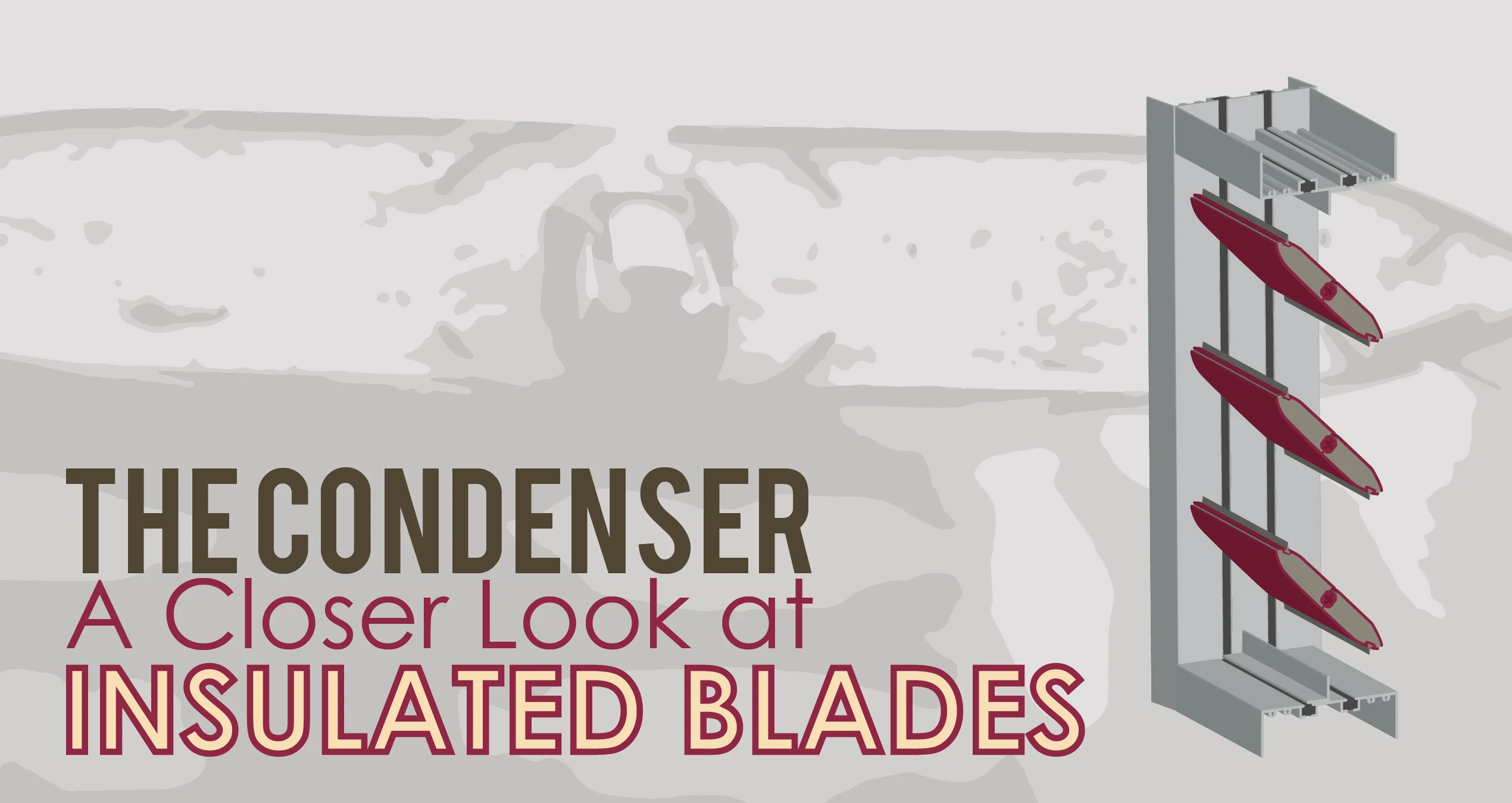
Heat transfer can throw off a balanced system. When temperature control is key, consider dampers with insulated blades. Learn more with the Condenser.
-2.webp)
Specifications list everything that goes into a building project, including the individual materials and components used in the building. Learn how louvers fit into your specifications with the MCDLG Newsstand.
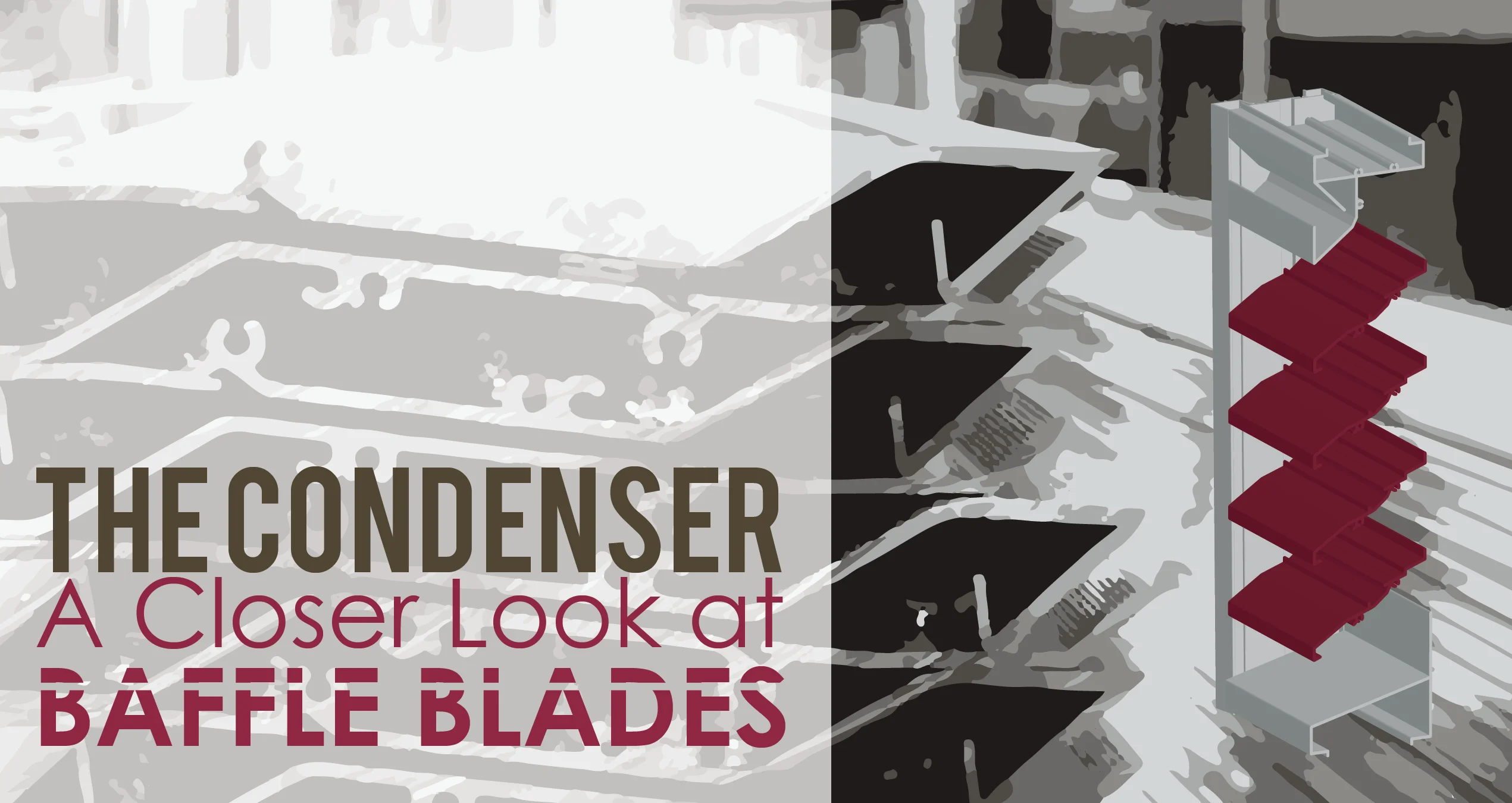
What is a baffle blade? What sets it apart from other louver blades? Learn the difference with this quick Condenser article.
.webp)
Selecting the right dampers for your HVAC system can be difficult. Here are four factors to help you understand control and balancing dampers.

There are many kinds of actuation available, but hand power will always be the cheapest. Learn about two kinds of manual actuators with this quick Condenser read.
.webp)
Drainable blades capture water before it can infiltrate the louver. Drainable features give that water an exit. Learn more about these features on the MCDLG Newsstand.
Chevron blades guard against wind driven rain and have a minimal effect on air performance. Learn how these unique blades work with this Condenser read.
.webp)
Which would work better for an exhaust point: a control damper or a backdraft damper? Let's look at these two damper types and see which would work best.
In this Condenser article, we look at the pin-lock axle. This unique design keeps the blade locked tight to the axle. Learn more with this quick read on the MCDLG Newsstand.
.webp)
Performance is important, and so is location. You need louvers that fit. Here are four questions to ask about your installation area.
How do adjustable blades move at the same time? In this Condenser, we take a closer look at linkage.

Damper selection requires more than a keen eye. You need to understand what you're looking for. Here are five things to know when selecting dampers.
.webp)
A frame on top of a frame? Subframes can provide easy access to areas behind your louvers. Learn more in this quick Condenser article.
.webp)
Every blade is built with a purpose. In this article, we look at a few specialty blades and what they do in your HVAC system.
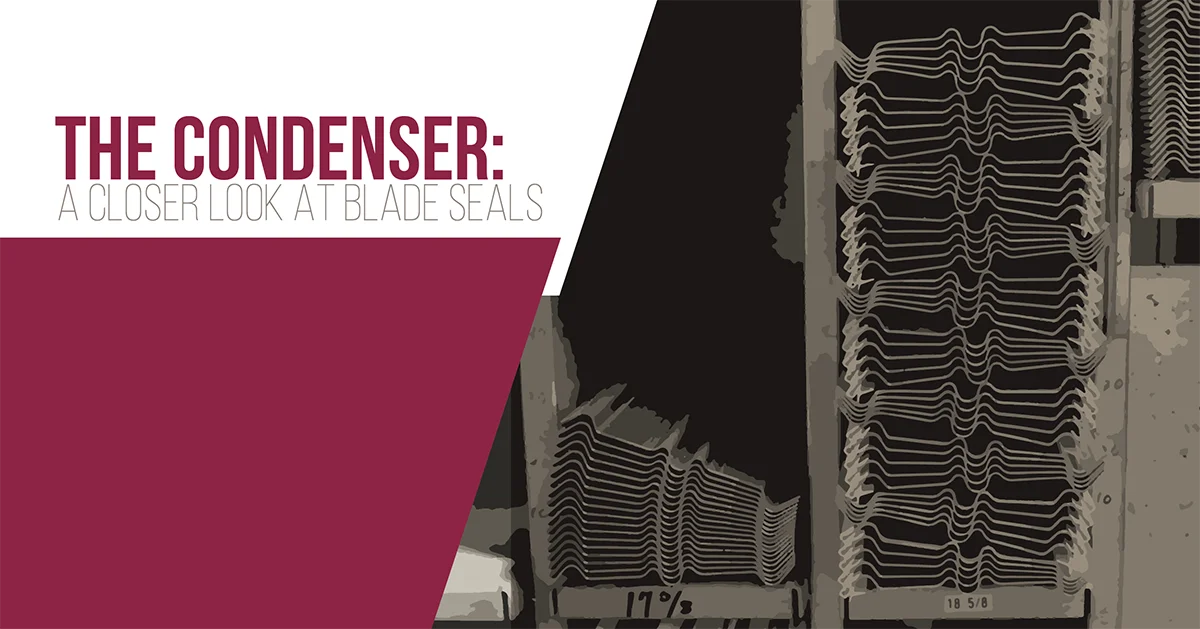
In this Condenser article, we look at blade seals and their function on adjustable blades. Learn how these components provide tight closures and minimize pressure drop.
.webp)
There are three types of metal that make up most louvers and dampers. Learn the difference between the big three and the benefits of each on the Newsstand.
Conceal rooftop HVAC units and maintain your building's aesthetic with equipment screens. You have options when it comes to style!
.webp)
Not all HVAC systems are the same. Each system will have a unique design with specific requirements. Certain specialty dampers are designed for specialized applications. Learn more about five specialty dampers for designing HVAC.
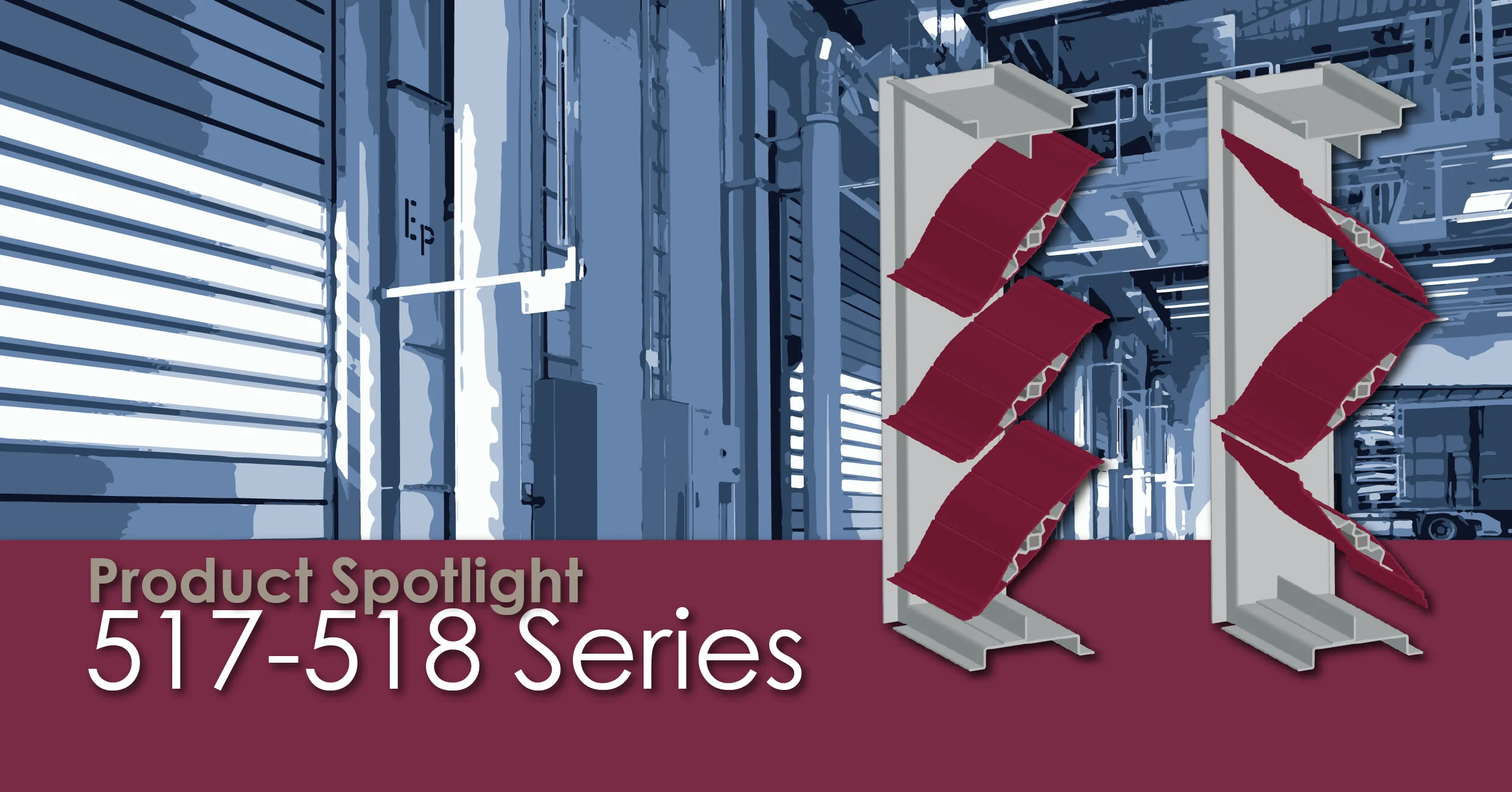
Efficient airflow is important in HVAC. The 517-518 series control dampers are built for air performance. Learn more in this product spotlight.
.webp)
Choosing the right louvers can be tough. Here are five things you should know to make the right decision.
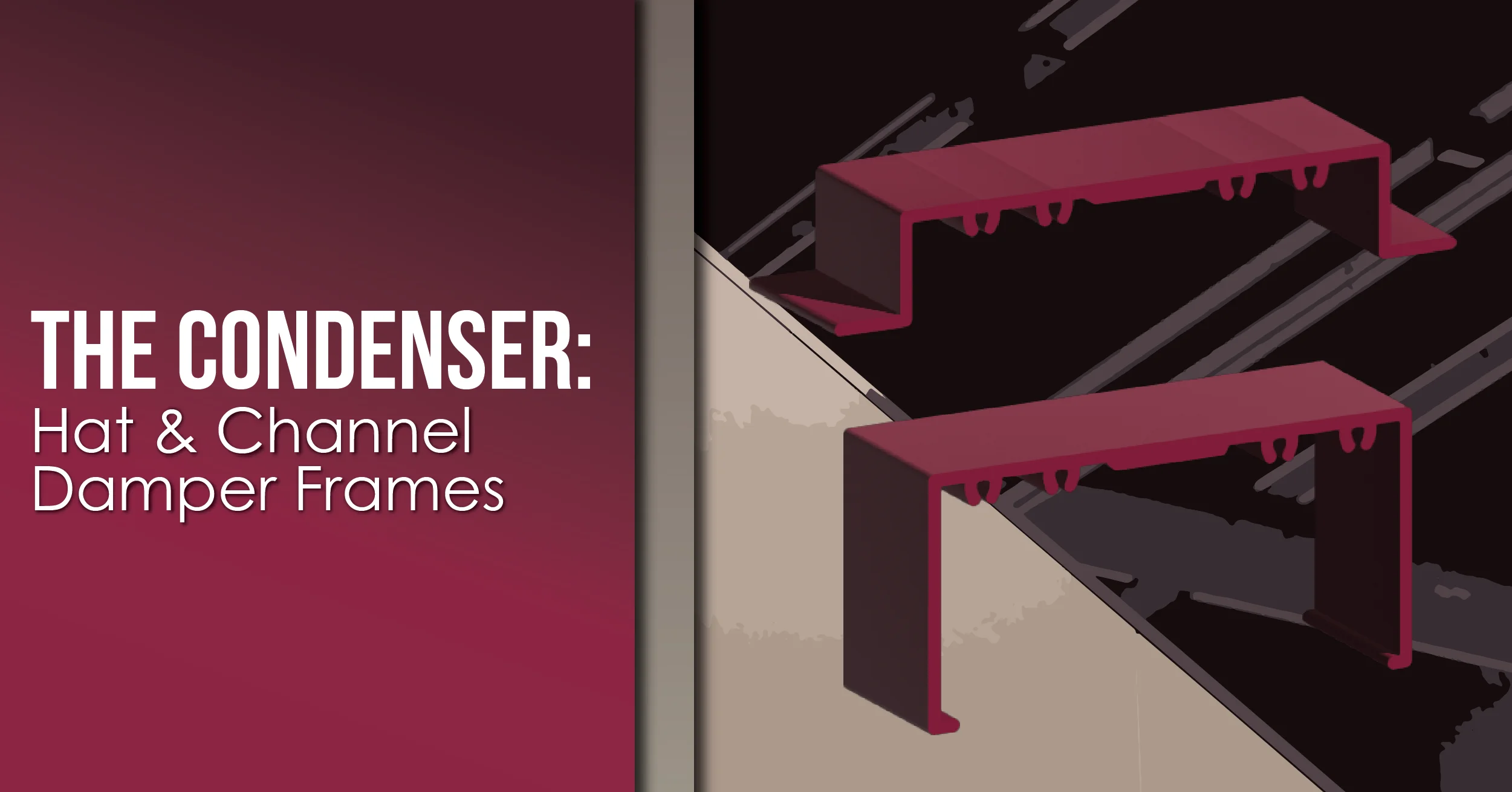
There are two common types of damper frame: the hat frame and the channel frame. We discuss their similarities and differences in this Condenser article.
.webp)
Dampers can be connected into larger assemblies. In this article, we discuss how dampers go together and a few ways to synchronize their blade rotation.
Pneumatic actuators use air power to rotate blades, but there are a few things to consider when using one. Learn more about pneumatic actuation in this Condenser article.
.webp)
Sunshades are designed to block sunlight and prevent the resulting radiant heat from bleeding into your interior spaces. Learn more about these useful louvers on the Newsstand.
In this Condenser article, we take a closer look at a key component to louver and damper blades: the blade axle. How does it work? Learn more with this quick Condenser read on the MCDLG Newsstand.
.webp)
Dampers are one part of an efficient HVAC system, which conserves energy and saves money. In this article, we cover four ways to make efficient dampers.
.webp)
In this article, we look at the EA-531-D series louvers. These combination stationary louvers are built for severe weather and hurricane scenarios.
.webp)
In this article, we cover three common types of louvers and what they do in your HVAC system. Learn more about louvers on the MCDLG Newsstand.
.webp)
Louvers can add style to your building. Learn a few pointers on louver style with this quick read on the MCDLG Newsstand.

Virtual and augmented reality can serve important roles in the HVAC industry, from training at home to supporting technicians in the field. Learn how these technologies can work for HVAC.
.webp)
In this Condenser, we take a closer look at the AS3D99VS. Learn how vertical chevron blades can protect from wind driven rain without compromising performance.
In this article, we review the many types of round dampers and how they work. You have options for your spiral ducts!

In this Condenser article, we review the position indication switch and how it works. Learn why you might need a DPI switch with the Newsstand.
.webp)
In this Condenser article, we review the parts of a control damper. Each part is important. Learn how these parts work together on the Newsstand.
Louver and damper maintenance is important! In this Condenser article, we explain three quicks steps for proper maintenance and why regular maintenance is important.

The construction industry is receiving a few upgrades. It may seem strange, but 3D modeling, Virtual Reality, and even aerial drones are being used for construction.
.webp)
In this article, we review seven types of damper blades and their purposes. Start with the damper blade primer on the MCDLG Newsstand.
In Innovations in HVAC, we look at the technological advances occurring in the HVAC industry. This article covers how smart tech makes efficient systems.
In this Condenser article, we review the design of the combination adjustable louver. Regulate airflow at the opening and keep that louvered look with one louver.

Architects are thinking up new ways to build, including neighborhoods. In this article, we look at the sunflower village from Valentino Gareri Atelier and what it means for greener communities.

Learn how combination stationary louvers protect interiors from severe weather events and hurricanes. These heavy-duty louvers offer protection and performance in one package!

Smart phones, smart thermostats, and smart lights. But what about smart concrete? Learn how emerging technologies are innovating construction.
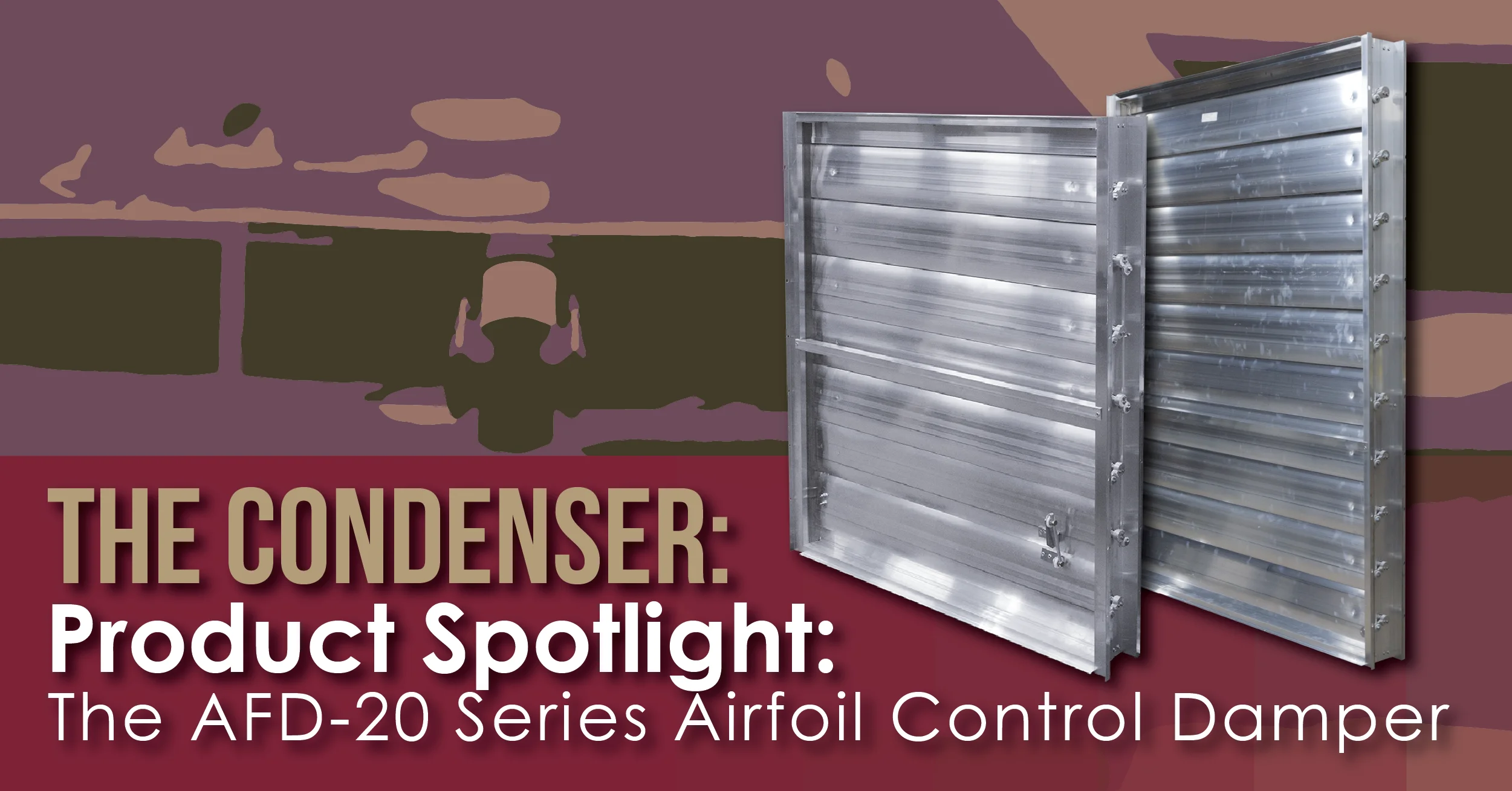
In this Condenser article, we dive into the MCDLG catalog to examine the AFD-20 series, our most popular control dampers. Keep your system efficient with a control damper built for air performance.

A heatwave has broken records across the Pacific Northwest, as much as 4 degrees Fahrenheit in some areas. How is weather in your area? Are your prepared for record highs? Is your HVAC system prepared?
In this article, we review AMCA's test standards for measuring pressure drop for control dampers, including across multiple installation types. Learn how these tests determine a damper's air performance with the MCDLG Newsstand.
.webp)
In this article, we discuss how tipping the balance between static and dynamic pressure leads to airflow. Learn the difference between these two pressure types and how they affect your HVAC system.
.webp)
Are critters making home in your HVAC system? They may be coming through the louvers. Learn how to stop uninvited guests with louver screens!
.webp)
In this article, we review important terms for selecting louvers and dampers. We will go over what they mean in HVAC and why they are important to building an efficient HVAC system!
In this Condenser, we discuss the vertical lines created by mullions and how you can hide them. Learn the difference between visible, recessed, and hidden mullions in this condensed Newsstand article!
.webp)
In this article, we review the important numbers to consider when choosing a louver for air performance or weather protection.
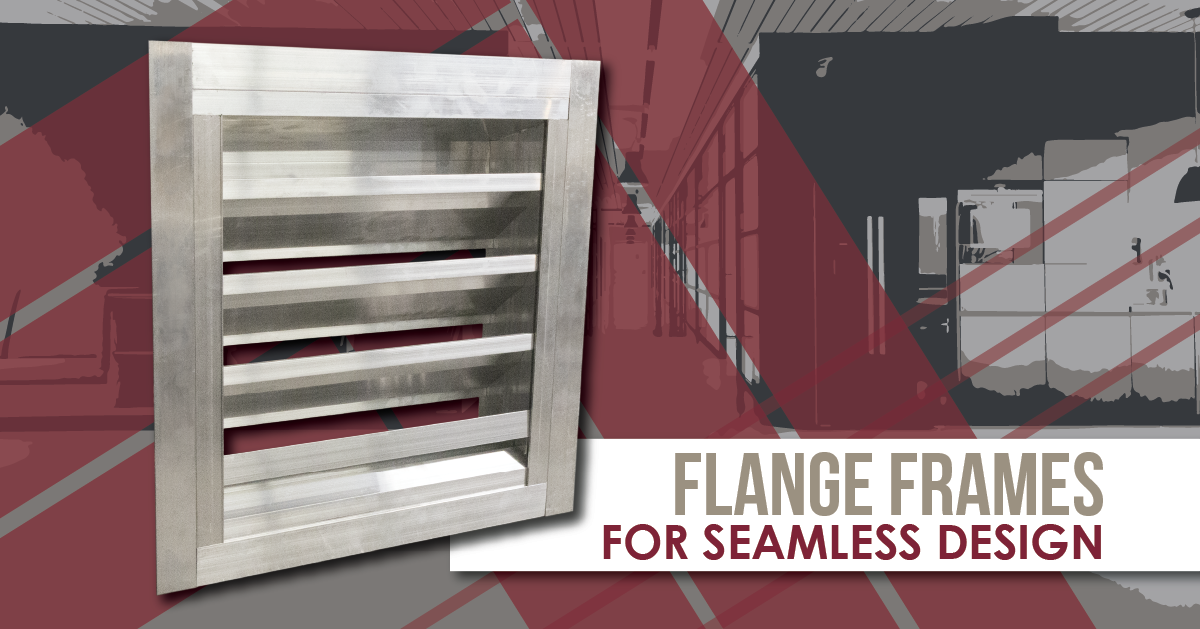
A flange frame can create a seamless look along the face of a building. But how does it work? Learn more in this Condenser article.
.webp)
For our final Condenser of 2020, MCDLG would like to extend an important message to our readers: thank you!
.webp)
Do you know how to size your control dampers? Learn to measure inner and outer dimensions and when to use which type of measurement. Find the best fit for control damper with the MCDLG Newsstand.
.webp)
In this article, we discuss the accessories and optional features that you can add to a louver. From aesthetic changes to functional enhancements, you have options for your louvers.
.webp)
In this Condenser article, we take a closer look at the parts that make up a louver. The design seems simple enough, but louvers consist of several parts that all play a role in its function.
.webp)
In this article, we discuss the various optional parts available for control dampers. Learn how to equip your dampers and make them work for you.
In this Condenser article, we discuss extension accessories for damper blade axles. Learn the difference between an extended shaft kit and an integral extendable shaft.
.webp)
In this article, we discuss how air leakage affects air performance. Learn what adjustable louvers and control dampers do to minimize this performance killer.
.webp)
Learn the basics of air performance and how louvers and dampers play an important role in your system. The Condenser is quick and easy reads from MCDLG!
In this Condenser article, we discuss UL and what they do for life safety products. UL sets the standards and defines the tests for fire and smoke dampers.
.webp)
In this article, we cover the ten important traits to consider when choosing the right louver. Learn what to look for in an effective louver and what those traits mean for the louver's performance.
.jpg)
MCDLG brands have 50+ years in HVAC. Each of our brands has a story, like inventing the curtain fire damper. In this article, we wanted to share those stories with you.

In this article, we take a step back and look at another challenging time in history. The best way to know where we're going is to look at where we've been.
.webp)
Specifications are important documents that dictate how a building project moves forward. Learn what specifications are and why they are so important in this Newsstand article.
.svg)
The title says it all. The Mestek Commercial Damper and Louver Group (MCDLG) is here to help! We provide support for each stage of the purchasing process: from continuing education to meeting project requirements. You can count on us!
.webp)
In this Condenser article, we discuss the free area between louver and damper blades. Free area is important. Learn how it affects air performance.
.webp)
In this article, we cover the four main types of UL life safety dampers: fire, smoke, combination fire-smoke, and ceiling radiation dampers. Learn where life safety dampers go, what they do, and how they protect your building during a fire.

They're not you're typical dampers. In this article, we discuss life safety dampers and their role in your building's passive fire protection system.
In this Condenser article, we discuss the benefits of electric actuators. Achieve full automation of your louvers and dampers with electric actuation!
.webp)
In this article, we discuss seven specialty louvers and their applications. They can provide shade, provide a restricted area, and even dampen loud noises. Louvers can do more than you think! Read more to find out what these louvers can do.
.webp)
In this article, we go over a few guidelines for performing maintenance on your control dampers: from what to look for in an inspection to the best practices for cleaning damper components.
.webp)
AMCA Standards 540 and 550 are the latest testing standards for hurricane louvers. But are they better? This article covers AMCA 540-550 and compares them to the original Miami-Dade Standards.

In this article, MCDLG President Ken Wahlers looks back on 2019 and all the things we've achieved this year. We look forward to what's in store in 2020.
-1.webp)
Backdraft dampers provide a cost-effective way to direct air in one direction. This article explains how they work.
.webp)
Each type of louver is designed to fulfill a certain role in your building, but is there a louver that can work for everything? Learn which traits make a certain louver fit best into a particular application.
.webp)
When should you use an industrial damper over a standard damper? This article delves into industrial dampers, what they do, and what to consider when selecting one.
.webp)
An efficient HVAC system starts with louvers built for the task. Learn the three key factors to consider when choosing a louver for air performance.
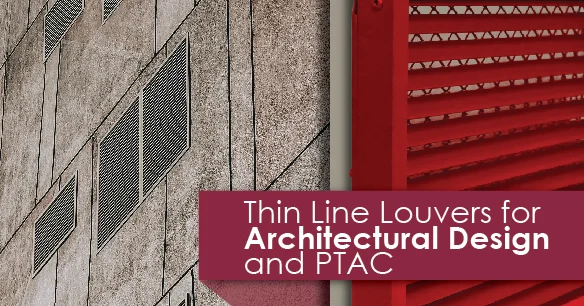
Want to improve your building's look? Need a louver for a small AC unit? Consider using thin line louvers, the lightweight option!
.webp)
Learn more about blade orientation and how it can affect a control damper's performance.
.webp)
This article examines several types of louver blades and how these blades work for their intended application. Learn how the blade makes the louver.
.webp)
What is the difference between a control damper and a balancing damper? Can they be used for the same purpose?
.webp)
Learn how to turn boring, square louvers into works of art.
.webp)
So many dampers to choose from, but what do they do? Read more about the five types of dampers, now available on the MCDLG Newsstand.
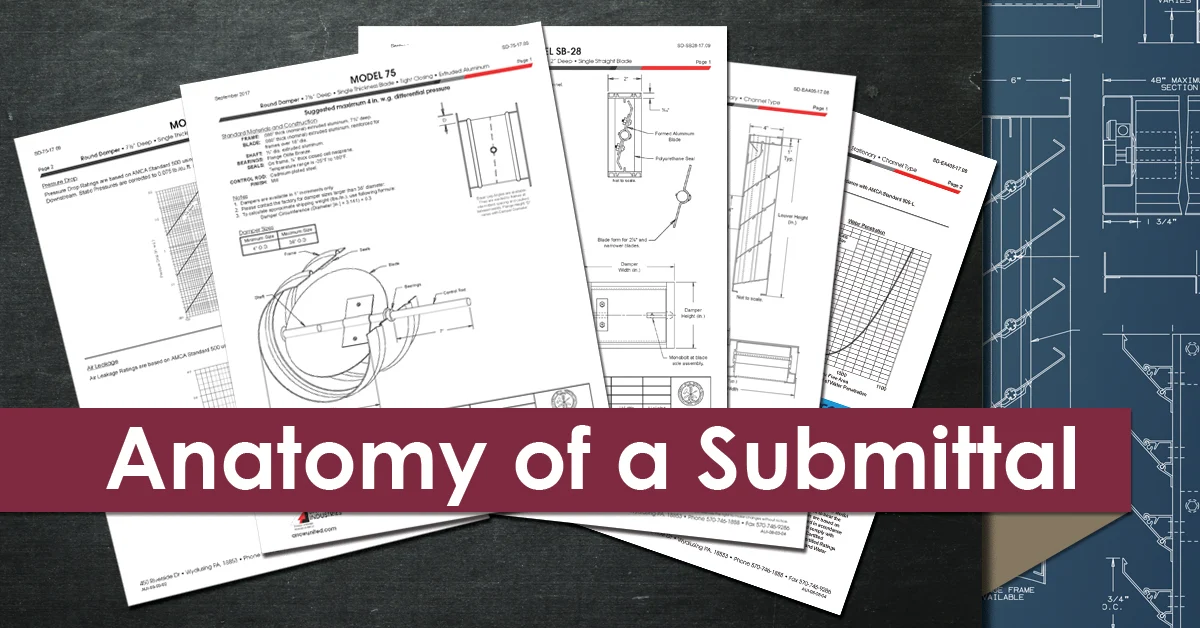
Confused by submittals? The best place to start is knowing where to look.

.webp)
Which type of actuator is best? It depends on what you need it for.

AMCA Ratings can help you determine which louvers are best at a given task. What do they mean?
.webp)
When a drainable louver blocks water from getting through, that water usually drains down the jamb channels and into the sill. But where does it go from there?
.webp)
The Air Movement and Control Association (AMCA) provides test standards for louvers. This article covers the test involved for water penetration.

In this interview, we talk to David Saulten about louvers, the A'18 Conference on Architecture, and how louvers help build better cities.
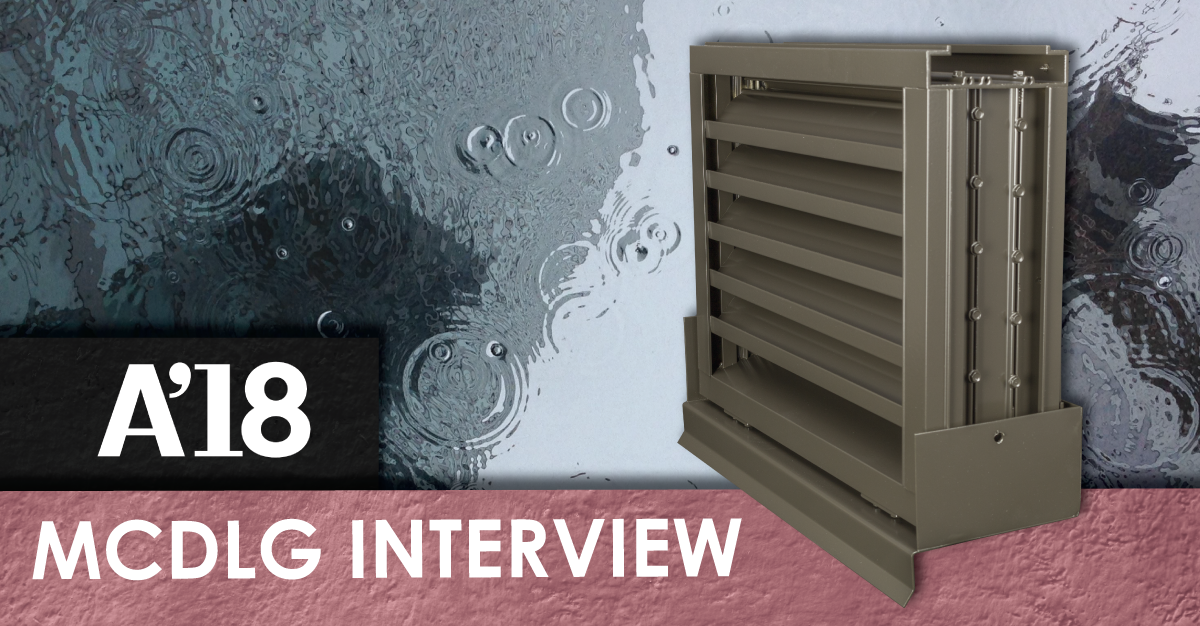
Hello ladies and gentlemen. My name is Brian Crosby and I’m the Marketing Manager for the Mestek Commercial Damper and Louver Group. We are here with David Saulten, Vice President of Airline Louvers, a division of MCDLG. We are here to discuss some exciting news about our premiere architectural brand. Hello Dave, how are you doing?
We discuss the NFPA 2018 Conference and UL Life Safety dampers with Greg Crosby, VP of Sales for Air Balance and MCDLG.